
Deal guide
01Peptira Discount Code: SAVE10
Explore Peptira coupon details, product prices, and steps for applying your discount at checkout.
View deal details
Find the dosing schedule, reconstitution math, and clinical references for any peptide, all in one place. Every protocol follows the same standardized format so you can compare compounds, check half-lives, and verify syringe units without hunting across five different sites.
Browse protocols organized by compound or by goal. Each guide includes phase-by-phase dosing, reconstitution tables with worked examples, side effects from clinical trials, and links to the free PepPal calculator for custom vial math.
Start with the peptide protocols and research stacks readers visit most, each with practical reference tables, research context, and cited sources.
Explore coupon codes and deal guides for Peptira, Peptide Partners, Orbitrex, Ion Peptide, and American Peptides. Each guide covers savings, product details, and what to check before you order.
Explore Peptira coupon details, product prices, and steps for applying your discount at checkout.
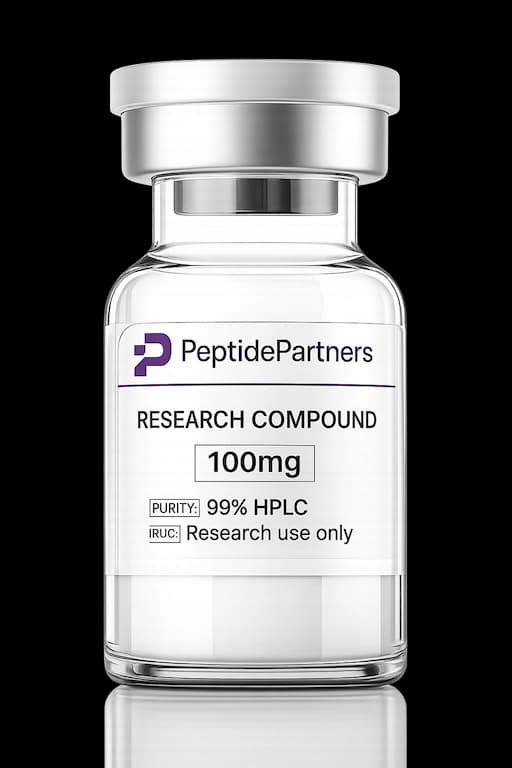
Find Peptide Partners coupon details, browse research products, and review shipping and order terms.
Review the Orbitrex coupon guide, compare product prices, and learn how to check your discount at checkout.
Read about Ion Peptide coupon codes, bulk order savings, and the terms that apply to your order.
Save 10% with PEPPAL, compare American Peptides product prices, and see how to apply the code at checkout.
Read the latest supplier review, peptide-market news, and a practical guide for keeping research schedules and calculations organized.
A current Orbitrex Peptides review using independent lab data, public business signals, customer-review history, shipping information, and official-site details. Updated August 20, 2026 with the latest Finnrick results.
Eli Lilly has filed six new retatrutide lawsuits, referred more than 200 people and companies to authorities, and asked payment processors, social platforms and shipping companies to cut off sellers. The bigger story is how far beyond individual peptide vendors this campaign now reaches.
A peptide tracker keeps your calculations, schedule, and cycle notes in one place. Here is what to look for, how the options compare, and where PepPal fits.
This table shows the essential dosing data for every compound in our database at a glance. For full protocols with titration schedules, reconstitution math, side effects, and clinical trial references, click any peptide name.
| Peptide | Category | Dose Range | Frequency | Half-Life | Route | |
|---|---|---|---|---|---|---|
| AOD-9604 | Lipolytic Fragment | 300–500 mcg/day | Daily | ~4 min (plasma) | SubQ | View |
| BPC-157 | Tissue Repair | 250–500 mcg/day | Daily | ~4 hours | SubQ / Oral | View |
| Bremelanotide (PT-141) | Sexual Health | 1–2 mg | As needed | ~2.5 hours | SubQ | View |
| Cagrilintide | Amylin Analog | 1.2–4.5 mg/week | Weekly | ~5 days | SubQ | View |
| CJC-1295 (DAC) | GH Secretagogue | 1–2 mg/week | 1–2x weekly | ~8 days | SubQ | View |
| CJC-1295 (No DAC) | GH Secretagogue | 100 mcg | 2–3x daily | ~30 min | SubQ | View |
| DSIP | Sleep Peptide | 100–300 mcg | Evening | Short | SubQ | View |
| GHK-Cu | Copper Peptide | 1–2 mg/day | Daily | ~1 hour | SubQ / Topical | View |
| Humanin | Mitochondrial | 0.5–2 mg/day | Daily | Short | SubQ | View |
| IGF-1 LR3 | Growth Factor | 20–60 mcg/day | Daily | 20–30 hours | SubQ / IM | View |
| Ipamorelin | GH Secretagogue | 200–300 mcg | 2–3x daily | ~2 hours | SubQ | View |
| Kisspeptin | Hormonal Signaling | 50–200 mcg | 1–2x daily | ~4 min | SubQ | View |
| KPV | Anti-Inflammatory | 200–500 mcg/day | Daily | Short (tripeptide) | SubQ / Oral | View |
| Melanotan II | Melanocortin | 250–500 mcg | 2–3x weekly | ~1 hour | SubQ | View |
| MOTS-c | Mitochondrial | 5–10 mg | 2–3x weekly | ~1–2 hours | SubQ | View |
| NAD+ | Cellular Health | 50–100 mg | 2–3x weekly | Variable | SubQ / IV | View |
| Oxytocin | Neuropeptide | 10–40 IU | As needed | ~3–5 min | Intranasal / SubQ | View |
| Retatrutide | Triple Agonist | 1–12 mg/week | Weekly | ~6 days | SubQ | View |
| Selank | Nootropic | 250–750 mcg/day | Daily | ~5 min | Intranasal / SubQ | View |
| Semaglutide | GLP-1 Agonist | 0.25–2.4 mg/week | Weekly | ~7 days | SubQ | View |
| Semax | Nootropic | 200–600 mcg/day | Daily | ~5 min | Intranasal | View |
| Sermorelin | GH Secretagogue | 200–500 mcg/day | Daily (PM) | ~10–20 min | SubQ | View |
| SLU-PP-332 | Exercise Mimetic | 100–300 mcg/day | Daily | Preclinical | Oral / Research | View |
| SS-31 | Mitochondrial | 4–40 mg/day | Daily | ~2–4 hours | SubQ | View |
| TB-500 | Tissue Repair | 2–5 mg | 2x weekly | ~Long-acting | SubQ | View |
| Tesamorelin | GH Secretagogue | 1–2 mg/day | Daily | ~26–38 min | SubQ | View |
| Tesofensine | Metabolic | 0.25–1 mg/day | Daily | ~9 days | Oral | View |
| Thymosin Alpha-1 | Immune Peptide | 1.6 mg | 2x weekly | ~2 hours | SubQ | View |
| Tirzepatide | Dual Agonist | 2.5–15 mg/week | Weekly | ~5 days | SubQ | View |
Every protocol page includes a full titration schedule, reconstitution table with syringe-unit conversions, side effects with clinical trial percentages, and numbered source citations.
Need syringe units for a specific vial size? Use the free PepPal Reconstitution Calculator. Open Calculator →
Protocol + Stack Directory
Alphabetized index for rapid protocol and stack discovery by compound and stack name.
Peptide Dosing Protocols is an independent, educational research database cataloging dosing schedules, reconstitution mathematics, half-life references, and stacking guidance for over 120 research peptides. Every protocol entry is structured for rapid reference, including phase-specific dosing tiers, injection frequency, vial reconstitution ratios with bacteriostatic water, and storage requirements.
Whether you're reviewing a GLP-1 metabolic protocol like retatrutide or tirzepatide, a tissue-repair compound like BPC-157 or TB-500, or a growth hormone secretagogue stack like CJC-1295 with Ipamorelin, each entry follows a standardized format designed for clarity and cross-referencing. Reconstitution math is simplified with our integrated calculator to convert vial sizes, diluent volumes, and syringe units quickly.
All protocols are compiled from published clinical trial data, peer-reviewed literature, and community research documentation. This site is strictly for educational and research reference purposes. No compounds listed are intended for human consumption. Browse the full A-Z directory below or select a featured protocol or stack to begin.
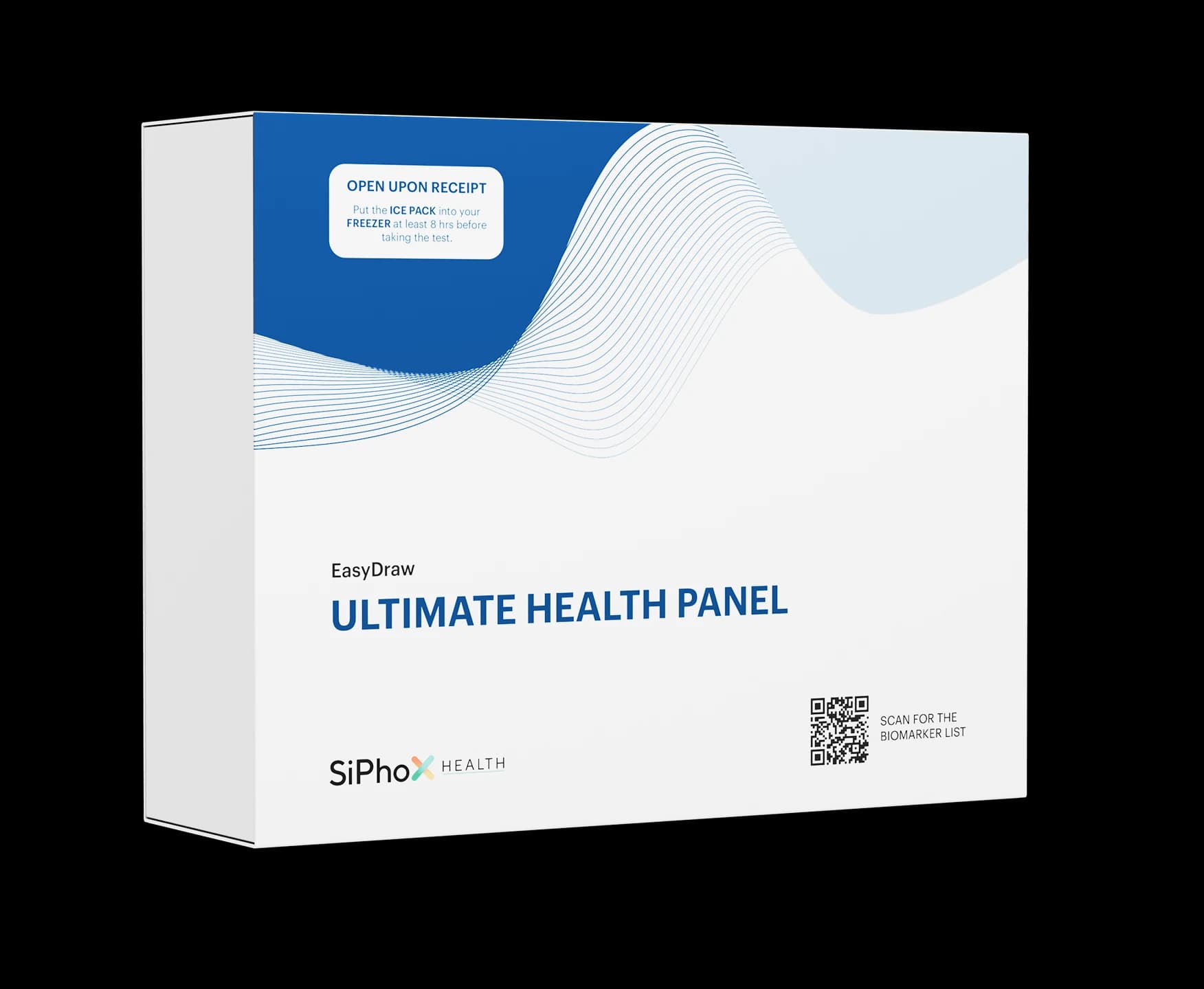
Independent at-home testing partner
U-100 insulin syringes.
Single-use prep pads.
For home or car.
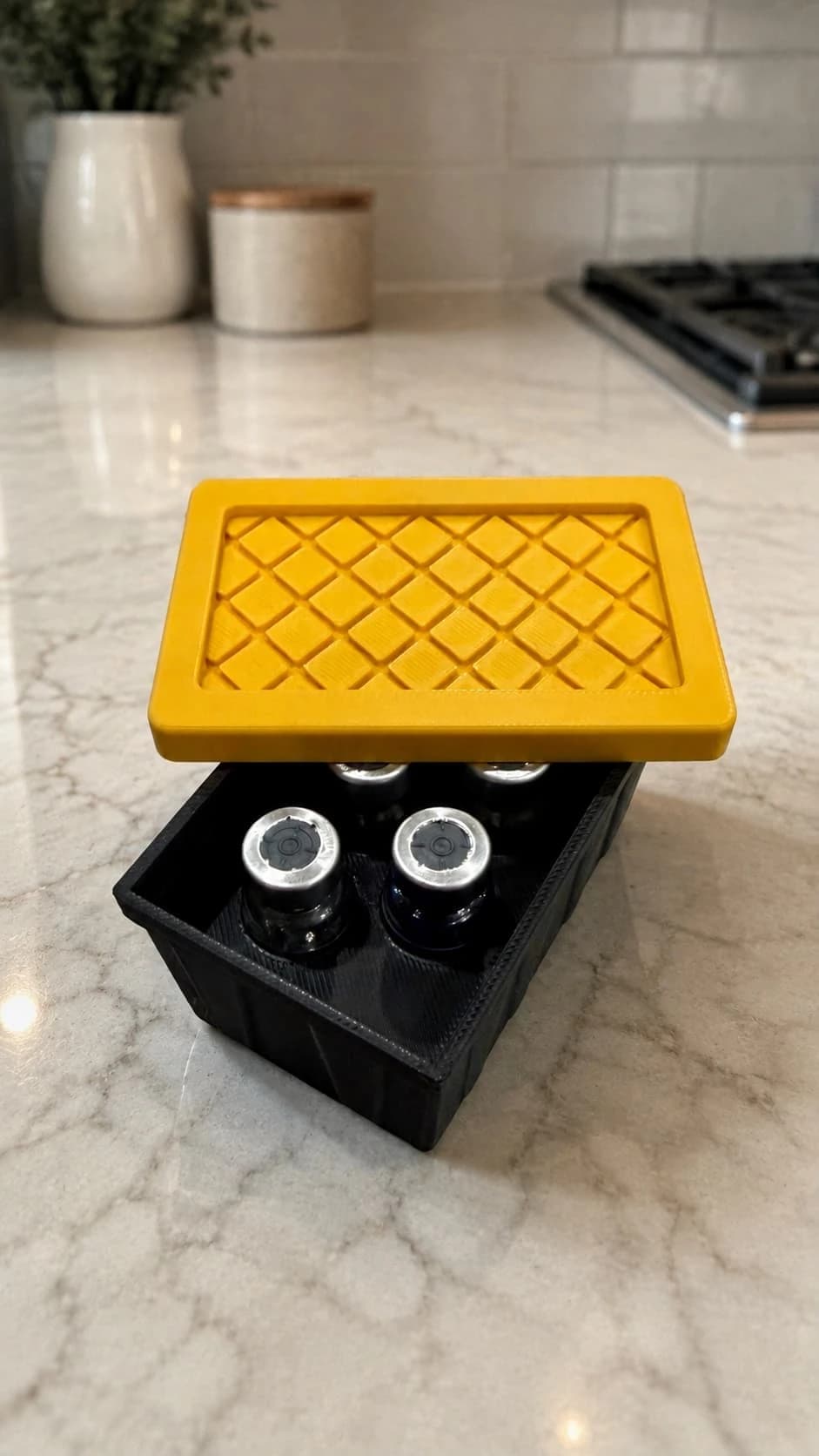
Compact travel case.
Cooled travel case.
disclosure: supply links may earn PDP a commission at no cost to you.
Peptide stacking means using two or more compounds together to target complementary biological pathways. Each stack protocol below includes per-compound dosing, separate-vial and pre-blended reconstitution math, cycle length guidance, and a comparison to alternative stacks.
BPC-157 + TB-500
Two-peptide repair stack combining localized and systemic recovery pathways. The most widely referenced recovery combination in the peptide community.
View Protocol →BPC-157 + TB-500 + GHK-Cu
Three-peptide stack extending the Wolverine foundation with collagen remodeling and copper-peptide tissue quality support.
View Protocol →BPC-157 + TB-500 + GHK-Cu + KPV
Four-peptide stack adding dedicated anti-inflammatory and gut-barrier support to the GLOW framework.
View Protocol →CJC-1295 + Ipamorelin
Classic "push-pull" GH secretagogue combination targeting both pulse amplitude (GHRH) and pulse frequency (ghrelin receptor).
View Protocol →Cagrilintide + Semaglutide
Novo Nordisk’s dual amylin-GLP-1 combination. Phase 3 REDEFINE trials showed 20.4% weight loss at 68 weeks.
View Protocol →Cagrilintide + Tirzepatide
Experimental amylin + dual-incretin combination targeting three satiety pathways simultaneously.
View Protocol →Cagrilintide + Retatrutide
Amylin analog paired with triple-agonist GLP-1/GIP/glucagon for maximum metabolic pathway coverage.
View Protocol →Retatrutide + MOTS-c
Triple-agonist retatrutide paired with MOTS-c for a mitochondrial-focused metabolic stack centered on fat-oxidation support during a deep deficit.
View Protocol →Selank + Semax
Two-peptide nootropic combination pairing anxiolytic and neurotrophic pathways for focus and stress resilience.
View Protocol →Multi-compound
Multi-compound protocol targeting GH optimization, metabolic rate, and tissue remodeling simultaneously.
View Protocol →Send the compound or stack you want researched next. These requests help prioritize upcoming protocol coverage, especially for compounds that are moving from forum chatter into active research demand.
If it's the weekend, give me a few days to reply. I'm probably out practicing the latest golf tips I picked up from Golf Onset.
Every protocol page on this site follows the same standardized 14-section format. This means you can compare any two compounds directly — the dosing table is always in the same place, the reconstitution math always uses the same layout, and the clinical trial data is always organized the same way.
Peptide name, aliases, category, half-life, dose range, vial sizes, regulatory status, and key clinical stat. Scannable in five seconds.
What the compound is, how it was developed, and its current clinical status. Written in plain language with the technical detail to back it up.
How the peptide works at the receptor and pathway level. Each pathway is explained with what it does, not just what it is.
Phase-by-phase dosing table with named phases, week ranges, doses, and notes. Includes missed dose guidance and flexibility notes.
Vial-size-specific reconstitution table showing BAC water volume, resulting concentration, dose-to-volume conversions, and syringe units.
Specific percentages from clinical trials organized by category. No hedge language — if 25% of trial participants had nausea, the page says so.
Outcomes table with trial name, phase, duration, population, and headline result. Includes ongoing trial IDs from ClinicalTrials.gov.
Lyophilized and reconstituted storage requirements.
Side-by-side comparison with 2–3 related compounds across receptor targets, half-life, dosing, efficacy, and FDA status.
Links to any stack pages featuring this compound, with rationale.
COA-verified suppliers with independent quality references. See the Peptira SAVE10 coupon guide for a current example.
10–12 questions with complete, data-backed answers marked up for FAQ schema.
Numbered citation list with PubMed, NEJM, Lancet, and ClinicalTrials.gov links.
Cards linking to related compounds and stacks.
This structure exists so you never have to guess where to find the information you need. Every protocol, every compound, same format.
Reconstitution is the process of dissolving freeze-dried peptide powder with bacteriostatic water to create an injectable solution. Getting the math right determines dose accuracy in any reconstitution calculation. Here is the core formula and a worked example — every protocol page includes compound-specific reconstitution tables.
Concentration (mcg/mL) = Total peptide in vial (mcg) ÷ BAC water added (mL)
Dose volume (mL) = Target dose (mcg) ÷ Concentration (mcg/mL)
Syringe units = Dose volume (mL) × 100 (for U-100 insulin syringes)
Example: 10 mg BPC-157 vial + 2 mL bacteriostatic water
→ 10,000 mcg ÷ 2 mL = 5,000 mcg/mL concentration
→ For a 500 mcg dose: 500 ÷ 5,000 = 0.10 mL
→ 0.10 mL × 100 = 10 units on a U-100 syringe
Reconstitution Verification Checklist
Peptide Dosing Protocols is an independent research reference database. It is not affiliated with any peptide manufacturer, supplier, or clinic. All protocols are compiled from published clinical trial data, peer-reviewed literature, and clearly labeled community protocols.
Every protocol page follows the same standardized 14-section format so you can compare compounds consistently. Dosing data comes from clinical trials when available. When clinical trial dosing data does not exist for a compound, community-derived protocols are used and clearly labeled as such.
Reconstitution math is verified against the formula on every page — you can check it yourself. Clinical trial citations link to PubMed, NEJM, Lancet, and ClinicalTrials.gov so you can verify every claim against the primary source.
This database is maintained by Garret Grant, an independent researcher and founder of Peptide Dosing Protocols. Garret holds a B.S. in Civil Engineering from UCLA and applies an engineering-discipline approach to peptide protocol documentation: standardized formats, verified math, and traceable citations.
This is not medical advice. All compounds discussed are for educational and research reference purposes only. No compounds listed on this site are intended for human consumption. Consult a qualified healthcare professional before considering any peptide protocol.
Read full editorial standards and methodology →Important Reading
The information provided on this website is for educational and reference purposes only. None of the compounds discussed are intended for human consumption. This is not medical advice.
By using this site, you acknowledge these protocols are for theoretical research environments only.
This site contains affiliate links. We may earn a commission from vetted partners at no additional cost to you. For current partner savings, see our peptide deals and coupon codes.
Peptide Dosing Protocols is an independent research reference database with dosing guides, reconstitution math, clinical trial citations, and stacking protocols for 44 peptide compounds and 11 multi-compound stacks. That gives the site 55 published guides in total. Every protocol follows a standardized 14-section format.
Dissolve lyophilized peptide powder with bacteriostatic water. The concentration equals total peptide (mcg) divided by water volume (mL). For example, a 10 mg vial with 2 mL BAC water gives 5,000 mcg/mL. A 500 mcg dose at that concentration is 0.10 mL or 10 units on a U-100 syringe.
The homepage includes a quick reference dosage chart showing dose range, frequency, half-life, and route of administration for 29 currently listed compounds. Each row links to the full protocol page with titration schedules, reconstitution tables, side effects, and clinical trial data.
Peptide stacking is the concurrent use of multiple compounds targeting complementary biological pathways. This site includes 11 stack protocols such as the Wolverine Stack (BPC-157 + TB-500) and KLOW Stack (BPC-157 + TB-500 + GHK-Cu + KPV), each with per-compound dosing, blend math, and cycle guidance. For a broader overview, read the Peptide Stacking 101 guide.
No. All protocols on this site are for educational and research reference purposes only. No compounds listed are intended for human consumption. Always consult a qualified healthcare professional before considering any peptide protocol.
Dosing data comes from published clinical trials and peer-reviewed literature when available. When clinical trial dosing data does not exist for a compound, community-derived protocols are used and clearly labeled. All sources are cited with PubMed, NEJM, Lancet, or ClinicalTrials.gov links.
Divide your target dose (mcg) by your reconstituted concentration (mcg/mL) to get the volume in mL. Multiply by 100 to convert to units on a U-100 insulin syringe. For example: 250 mcg / 5,000 mcg/mL = 0.05 mL = 5 units. Use the PepPal Calculator for any custom combination.
Research intake slip
Two fields only. Fast enough to submit before you lose the tab.