VerifiedVerified Supplier
Stack Protocols
Browse 11 named multi-peptide dosing guides with stack schedules, reconstitution math, and evidence-backed research context.
Directory
Filter the full research index by letter to jump directly into published peptide stacks.
Independent at-home testing partner
U-100 insulin syringes.
Single-use prep pads.
For home or car.
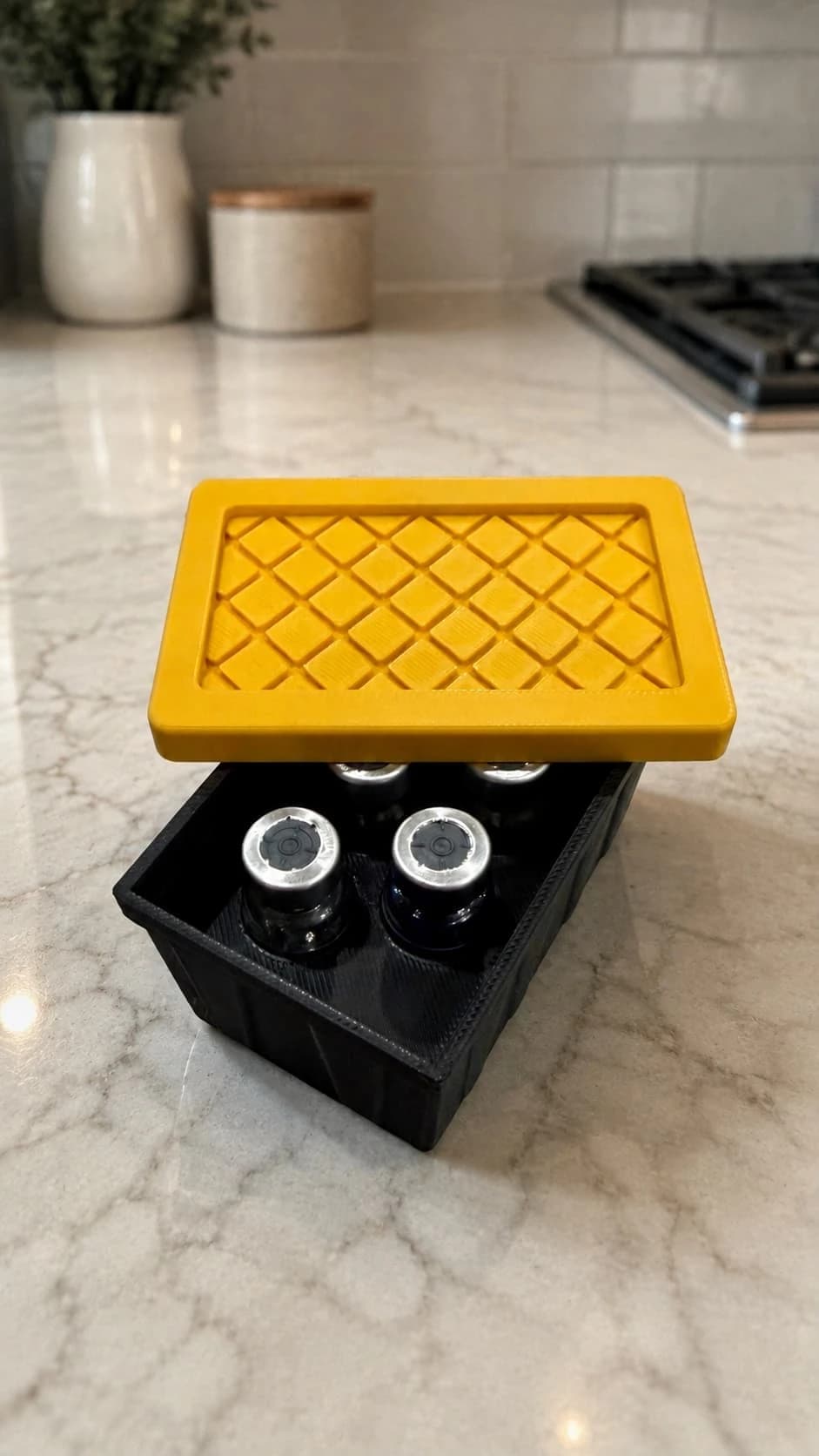
Compact travel case.
Cooled travel case.
disclosure: supply links may earn PDP a commission at no cost to you.
Peptide stacking means using two or more peptide compounds together in a coordinated protocol. The idea is straightforward: each compound works through a different biological pathway, and combining them may produce complementary effects that a single peptide cannot achieve alone. A repair stack like the Wolverine (BPC-157 + TB-500) pairs a compound that works locally at injury sites with one that supports cell migration systemically. A weight management stack like CagriSema pairs amylin and GLP-1 signaling, while Retatrutide + MOTS-c pairs triple-agonist appetite and energy signaling with mitochondrial support for broader metabolic coverage.
Important context: No multi-peptide stack listed on this site has been evaluated as a combined protocol in a clinical trial. The synergy rationale for each stack is based on the individual evidence for each component compound, combined with community and practitioner usage patterns. Every stack page states this clearly in an evidence-level notice. For a broader introduction to stacking concepts, safety rules, and how to plan multi-compound protocols, see the Peptide Stacking 101 guide on PepPal.
Each stack protocol page on PDP follows a standardized format covering combined dosing schedules (separate vials, oral hybrid, and pre-blended formats where applicable), reconstitution math for every component, synergy rationale, side effects and safety, clinical evidence context per compound, storage guidelines, comparison to alternative stacks, and 12–14 answered FAQ questions.
These stacks combine repair-focused peptides that target different layers of the healing process, from vascular support and cell migration to tissue remodeling and inflammation control. The Wolverine Stack is the simplest starting point. GLOW and KLOW add skin-quality and anti-inflammatory layers.
2 compounds · Localized repair + systemic cell migration
The most widely discussed repair combination in the peptide community. Loading + maintenance phases. SubQ injection.
3 compounds · Wolverine foundation + skin remodeling
Adds copper peptide for collagen support, wound healing, and gene expression modulation. Pre-blended vials available.
4 compounds · GLOW foundation + anti-inflammatory control
Adds KPV (alpha-MSH tripeptide) for NF-kB pathway modulation. The most comprehensive repair stack on PDP.
These stacks combine appetite-regulating, incretin, glucagon, and mitochondrial-support compounds through complementary pathways. Some are pharma-backed combinations, others are community-derived coverage models built from individual compound data.
2 compounds · Amylin analog + GLP-1 agonist
Novo Nordisk's Phase 3 combination. REDEFINE 1 trial data available. Fixed-dose combination in development.
2 compounds · Amylin analog + dual GIP/GLP-1 agonist
Community-derived combination pairing amylin with the highest-efficacy dual agonist.
2 compounds · Amylin analog + triple agonist (GLP-1/GIP/glucagon)
Pairs amylin with the broadest receptor coverage in the incretin class.
2 compounds · Triple agonist + mitochondrial peptide
Mitochondrial-focused metabolic stack pairing retatrutide's systemic deficit with AMPK-driven cellular fat-oxidation support.
The "push-pull" model: a GHRH analog stimulates GH production while a GHRP amplifies pulse frequency. This pairing is the most established peptide stacking pattern, supported by studies showing GH elevation greater than either compound alone.
2 compounds · GHRH analog + selective GHRP
Timed 2–3x daily on empty stomach. Most popular GH-optimizing stack. Minimal cortisol and prolactin elevation.
2 compounds · GHRH analog + ghrelin mimetic
Ratio-specific blend guide covering 10/3 and 5/5 vials, 3 mL reconstitution math, cycle planning, and safety boundaries.
Multi-goal stacks combining GH optimization with metabolic and repair support for simultaneous muscle preservation and fat loss.
3+ compounds · GH optimization + metabolic support + recovery
The most complex protocol on PDP. Designed for experienced users with multiple concurrent goals.
2 compounds · Anxiolytic (Selank) + cognitive support (Semax)
Both compounds approved as pharmaceuticals in Russia. Intranasal and SubQ routes covered.
If you are not sure where to start, this table maps common goals to the most relevant stack protocol.
| Your Goal | Recommended Stack | Components | Complexity |
|---|---|---|---|
| Injury recovery (tendon, ligament, muscle) | Wolverine Stack dosage and cycle guide | BPC-157 + TB-500 | Low: 2 compounds |
| Injury recovery + skin quality | GLOW Stack | BPC-157 + TB-500 + GHK-Cu | Medium: 3 compounds |
| Recovery + inflammation control | KLOW Stack | BPC-157 + TB-500 + GHK-Cu + KPV | Higher: 4 compounds |
| Weight loss (clinical-grade) | CagriSema | Cagrilintide + Semaglutide | Low: 2 compounds |
| Weight loss (maximum receptor coverage) | Cagrilintide + Retatrutide | Cagrilintide + Retatrutide | Low: 2 compounds |
| Weight loss + mitochondrial support | Retatrutide + MOTS-c | Retatrutide + MOTS-c | Low: 2 compounds |
| Growth hormone optimization | CJC-1295 + Ipamorelin | CJC-1295 (no DAC) + Ipamorelin | Medium: timed dosing |
| Growth hormone optimization with tesamorelin emphasis | Tesamorelin + Ipamorelin | Tesamorelin + Ipamorelin | Medium: ratio-specific blend math |
| Cognitive focus + calm | Russian Nootropic Stack | Selank + Semax | Low: 2 compounds, intranasal |
| Body recomposition (advanced) | Advanced Recomp Stack | Multi-compound | Higher: 3+ compounds |
Community protocols typically favor starting with 2-compound stacks, with each individual compound researched solo first before combining. For stacking safety fundamentals, read Peptide Stacking 101.
All stack protocols carry a “Last reviewed” date. We update stack pages when component compound data changes, regulatory status shifts, or reconstitution math needs correction.
Send the compound or stack you want researched next. These requests help prioritize upcoming protocol coverage, especially for compounds that are moving from forum chatter into active research demand.
If it's the weekend, give me a few days to reply. I'm probably out practicing the latest golf tips I picked up from Golf Onset.
A peptide stack is a combination of two or more peptide compounds used together in a coordinated dosing protocol. Each compound targets a different biological pathway, and the combination aims to produce complementary effects. For example, the Wolverine Stack pairs BPC-157 (local tissue repair) with TB-500 (systemic cell migration) for broader recovery coverage than either compound alone.
PDP currently publishes 11 named stack protocols covering tissue repair, weight management, growth hormone optimization, body recomposition, and cognitive support. Each stack page follows a standardized format with combined dosing schedules, reconstitution math for all components, synergy rationale, side effects, clinical evidence context per compound, and 12-14 answered FAQs.
Only the CagriSema stack (cagrilintide + semaglutide) has been evaluated as a combined protocol in clinical trials through the Novo Nordisk REDEFINE program. All other stacks on PDP are community-derived combinations based on the individual evidence for each component compound. Every stack page states this in an evidence-level notice at the top of the dosing section. We never present community protocols as clinical fact.
These three stacks form a progression. The Wolverine Stack is the base: BPC-157 + TB-500 for tissue repair. The GLOW Stack adds GHK-Cu (copper peptide) for skin remodeling and gene expression support. The KLOW Stack adds KPV (anti-inflammatory tripeptide) on top of GLOW for inflammatory-environment control. Wolverine is the common starting point for injury-recovery research, with GLOW/KLOW as progressions for skin-quality or anti-inflammatory coverage.
Each component in a stack is reconstituted separately in its own vial using bacteriostatic water, following the same 7-step reconstitution process used for any single peptide. Some stacks also have pre-blended vials available. The stack page covers both formats when applicable. For custom vial sizes and water volumes, use the PepPal Reconstitution Calculator. Reconstitution tables on each stack page show the math for all common vial sizes.
Community guidance favors researching a single compound first, since it isolates response and side effects and allows reconstitution and injection technique to be confirmed before combining. Once an individual compound is understood, a stack can be researched with less ambiguity. For additional context on building an initial stack, read Peptide Stacking 101.
Cycle length depends on the specific stack. Repair stacks (Wolverine, GLOW, KLOW) typically run 4–8 weeks with a 2–4 week off period. Weight management stacks follow longer titration schedules matching their component compounds' clinical trial protocols. GH stacks often run 8–12 weeks with periodic off-cycles to prevent receptor desensitization. Each stack page includes a cycle guidelines table with recommended durations.
Each stack page includes a combined dosing table showing every compound's dose, frequency, route, and phase. For deeper detail on any individual compound, including mechanism of action, full side effect profile, or clinical trial data, follow the link to that compound's individual protocol page. Stack pages always link to all component protocol pages.
PDP covers four weight management stacks: CagriSema (cagrilintide + semaglutide), Cagrilintide + Tirzepatide, Cagrilintide + Retatrutide, and Retatrutide + MOTS-c. CagriSema has Phase 3 combination trial data. The tirzepatide, retatrutide, and MOTS-c pairings are community-derived combinations built from individual compound evidence. Each stack page includes comparison context showing pathway coverage, evidence strength, and tradeoffs.
No. Peptide Dosing Protocols is an independent educational reference database. No stack or combination listed is recommended, prescribed, or endorsed for human use. All combined dosing information is compiled from published research and community protocols for educational purposes only. Consult a licensed healthcare provider before considering any compound or combination.
Research intake slip
Two fields only. Fast enough to submit before you lose the tab.