VerifiedVerified Supplier

Protocols Directory
Single-compound research references with titration schedules, reconstitution math, and evidence context.
Directory
Filter the full research index by letter to jump directly into published peptide protocols.
Independent at-home testing partner
U-100 insulin syringes.
Single-use prep pads.
For home or car.
Compact travel case.
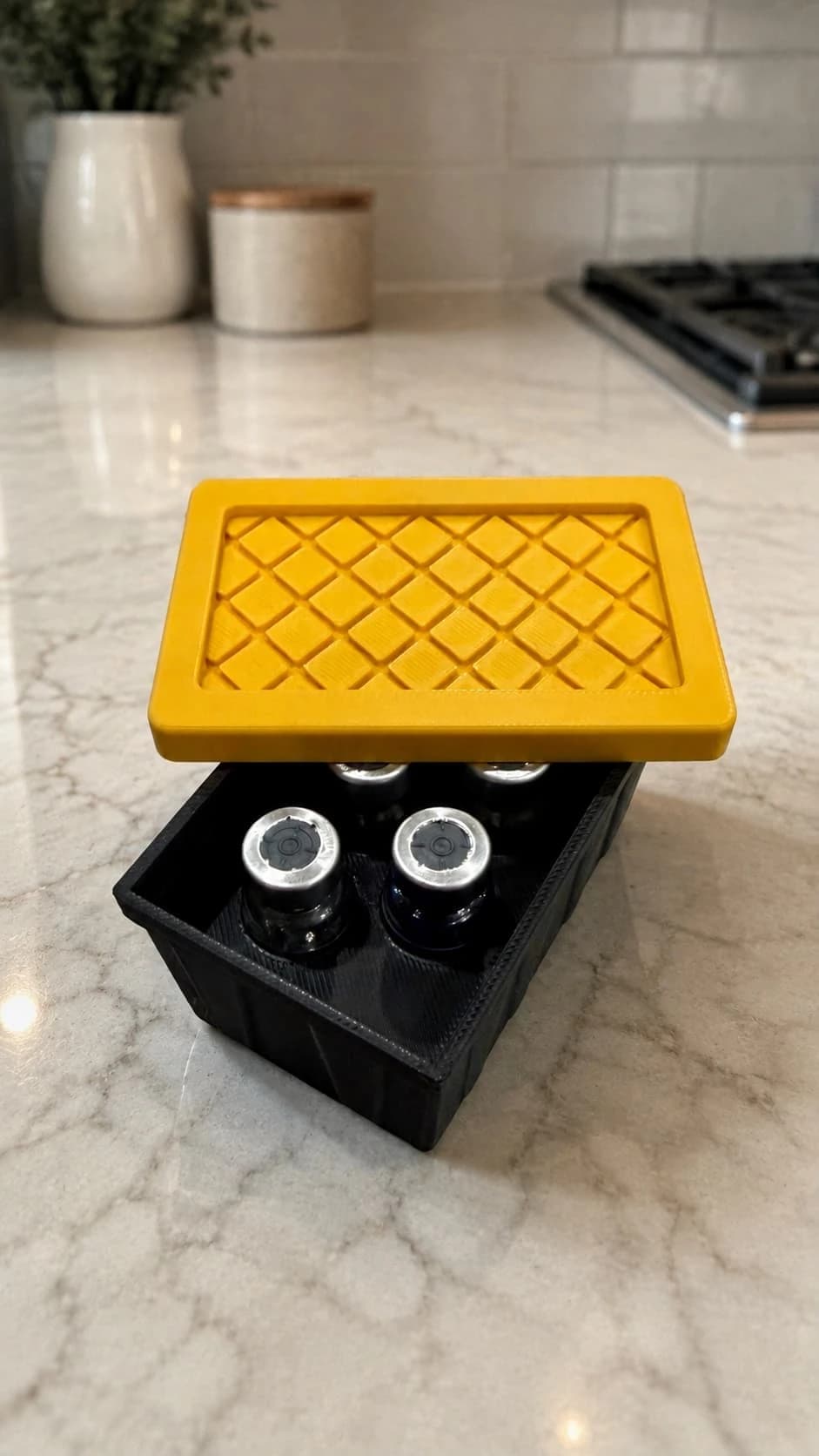
Cooled travel case.
disclosure: supply links may earn PDP a commission at no cost to you.
Each dosing guide in this library follows the same 14-section format, so you always know where to find what you need. Every protocol includes a quick-reference card, a titration schedule with named dosing phases, reconstitution tables with the math worked out for common vial sizes, side effects with clinical trial percentages, a comparison to related compounds, and 10–12 answered FAQs.
If you already know which peptide you are looking for, use the A-Z directory above or the search bar. If you are browsing by goal, whether fat loss, tissue repair, growth hormone support, or something else, start with the category sections on this page. Each category lists the published protocols in that group and explains what ties them together.
Every reconstitution table links to the free PepPal Reconstitution Calculator for custom vial sizes and BAC water volumes. For multi-compound protocols, browse the stack directory instead.
What each protocol covers:
Last reviewed: August 2026. Protocols are updated when new clinical data publishes or regulatory status changes.
These protocols cover GLP-1 receptor agonists and related compounds studied for weight loss, appetite regulation, and metabolic health. Dosing ranges vary widely, from microgram-level daily injections to milligram-level weekly titration schedules. Each guide includes the clinical trial titration used in published studies.
GLP-1 agonist · FDA-approved · once-weekly · 0.25–2.4 mg
Dual GIP/GLP-1 agonist · FDA-approved · once-weekly · 2.5–15 mg
Triple agonist (GLP-1/GIP/glucagon) · Phase 3 · once-weekly · 1–12 mg
Dual GLP-1/glucagon agonist · Phase 3 · once-weekly · trial-reported dosing
Amylin analog · Phase 3 · once-weekly · 1.2–4.5 mg
HGH fragment · preclinical/community · daily · 300–600 mcg
NNMT inhibitor · preclinical · oral 50-150 mg · optional SubQ vial math
Oral monoamine reuptake inhibitor · trial dosing · 0.25-0.5 mg daily
Healing-focused compounds studied for tendon, ligament, muscle, and gut tissue repair. Most lack formal human clinical trials. Evidence comes from preclinical animal models and community protocols. Each guide clearly labels the evidence tier.
Gastric pentadecapeptide · preclinical · 1–2x daily · 250–500 mcg
Thymosin Beta-4 fragment · Phase 1 safety data · 2x weekly loading · 2–2.5 mg
Alpha-MSH anti-inflammatory tripeptide · preclinical · daily · 200–500 mcg
Copper peptide · preclinical · daily · 1–2 mg
AED tripeptide · cartilage-cell research · community 2–5 mg daily · no validated human dose
Peptides that stimulate natural growth hormone release from the pituitary gland. Commonly used individually or in "push-pull" stacks (a GHRH analog paired with a GHRP). Each protocol covers timing relative to meals, sleep, and exercise.
Ghrelin-receptor GHRP · appetite-driving GH pulse · empty-stomach timing · ~100 mcg
GHRP · selective GH release · 2–3x daily · 100–300 mcg
GHRH analog · long-acting · 1–2x weekly · 1–2 mg
GHRH analog · short-acting · 2–3x daily · 100 mcg
GHRH analog · historical FDA approval · daily · 200–300 mcg
GHRH analog · FDA-approved (lipodystrophy) · daily · 2 mg
Growth factor · preclinical · daily · 20–50 mcg
Compounds in this category are discussed for immune coordination, inflammatory balance, and adjunctive immune support. Evidence ranges from international approvals and randomized trials to preclinical and community-use data.
Thymic peptide immunomodulator · approved in 35+ countries outside the US · 1.6 mg twice weekly
Vasoactive intestinal peptide · intranasal/SubQ research context · lipase monitoring
Cognitive and mood-focused peptides, many originating from Russian pharmaceutical research. These protocols cover both intranasal and subcutaneous administration routes.
Tuftsin analog · anxiolytic · intranasal/SubQ · 200–600 mcg
ACTH fragment · cognitive support · intranasal/SubQ · 200–600 mcg
Adamax dosage, nasal and SubQ routes, benefits, half-life, and Semax comparison
Porcine-brain peptide mixture · IV/IM trial context · 10–21 day courses
Delta sleep-inducing peptide · research-use · evening SubQ · 100–300 mcg
EDR tripeptide · research-use · oral/SubQ planning · 10–20 day cycles
Peptides studied for skin quality, cellular energy, and longevity-related pathways. Evidence levels range from FDA-approved (for narrow indications) to purely preclinical.
Coenzyme · cellular energy · IV/SubQ · 100–500 mg
Mitochondrial-derived peptide · preclinical · 3–5x weekly · 5–10 mg
Mitochondrial-derived peptide · preclinical · no approved human dose
Mitochondria-targeting peptide · FDA-approved only for Barth syndrome · daily · 4–40 mg
AEDG tetrapeptide bioregulator · research-use · 10–20 day cycles
Senolytic peptide · preclinical only · no validated human dose
Endogenous antioxidant · oral/liposomal/IV context · 250–1,000 mg oral study range
MC receptor agonist · preclinical · loading + maintenance · 250–500 mcg
Also listed under Repair · skin remodeling · topical/SubQ · 1–2 mg
Peptides studied for sexual response and hormonal pathways. Evidence and regulatory status vary by compound, from FDA-approved indications to research-use-only reproductive signaling peptides.
MC4R agonist · FDA-approved (HSDD) · as-needed · 1.75 mg
GPR54 agonist · research-use · kisspeptin-10/-54 dosing logic
Neuropeptide · FDA-approved (obstetric) · intranasal · 10–40 IU
These compounds are indexed but not yet published. Protocols are prioritized by search demand and research interest. Request a protocol to signal demand for a specific compound.
Alarelin · Dihexa · Follistatin 344 · GHRP-2 · Gonadorelin · Hexarelin · HGH Fragment 176-191 · Liraglutide · Mechano Growth Factor · N-Acetyl Semax · PEG-MGF · Pentosan Polysulfate · Triptorelin
These protocols were most recently reviewed or updated with new data:
All protocols carry a “Last reviewed” date. We update dosing guides when new clinical trial data publishes, regulatory status changes, or reconstitution math needs correction.
Send the compound or stack you want researched next. These requests help prioritize upcoming protocol coverage, especially for compounds that are moving from forum chatter into active research demand.
If it's the weekend, give me a few days to reply. I'm probably out practicing the latest golf tips I picked up from Golf Onset.
PDP currently has 40 complete peptide dosing protocols, with 13 additional compounds indexed and queued for coverage. Each published protocol follows a standardized 14-section format that includes a quick-reference card, titration schedule, reconstitution table with worked math, side effect profile with clinical trial percentages, clinical trial results summary, compound comparison table, and 10–12 answered FAQs. New protocols are published regularly based on research demand.
Every protocol page has the same structure so you always know where to find information. The sections are: quick reference card, overview, mechanism of action, dosing protocol and titration schedule, reconstitution guide with vial-specific math, side effects and safety, clinical trial data, storage and handling, comparison to related compounds, stacking protocols (if applicable), supplier section, FAQ, sources with citations, and related protocols. The format is designed for fast lookup. You can jump directly to reconstitution math or side effects without reading the whole page.
Dosing information comes from published clinical trials and peer-reviewed literature as the primary source. When clinical trial titration data is not available, which is common for peptides like BPC-157 and TB-500 that have not completed human dosing studies, we use the most widely cited community protocols from credible sources and clearly label the evidence tier. We never present community-derived dosing as clinical fact. Every protocol page includes a numbered source list with direct links to PubMed, ClinicalTrials.gov, and journal publications.
Each protocol page includes a reconstitution table that shows common vial sizes, recommended BAC water volumes, the resulting concentration, and dose-to-volume conversions with syringe units already calculated. If you need a custom calculation, such as a vial size or water volume not shown in the table, use the free PepPal Reconstitution Calculator. Enter your vial size, BAC water volume, and target dose to get exact syringe units instantly.
A protocol page covers a single peptide compound: its dosing, reconstitution, mechanism, side effects, and clinical data. A stack page covers a multi-peptide combination: how two or more compounds are dosed together, their combined synergy rationale, and schedule coordination. If you are looking for a single compound, browse protocols. If you are looking for a named combination like the Wolverine Stack (BPC-157 + TB-500) or the CJC-1295 + Ipamorelin GH Pulse Stack, browse stacks.
Yes. Every protocol carries a "Last reviewed" date visible on the page. We update protocols when new clinical trial data publishes (for example, when TRIUMPH Phase 3 readouts update the retatrutide protocol), when regulatory status changes (the February 2026 FDA Category 2 reclassification affected multiple compound pages), or when reconstitution math needs correction. The "Recently Updated" section at the top of this page shows the most recent changes.
Compounds listed as "Coming Soon" are indexed in the directory but do not yet have a full protocol page. They are queued for research and writing based on search demand and community interest. You can request a protocol to signal demand for a specific compound. These requests directly influence our publishing priority.
Yes. The PepPal Reconstitution Calculator works for any injectable peptide regardless of whether it has a published protocol on PDP. Enter the total peptide content of your vial (in mg or mcg), the volume of bacteriostatic water you plan to add, and your target dose. The calculator returns the exact volume to draw and the equivalent syringe units on a U-100 insulin syringe.
Every published protocol page includes a supplier section with COA-verified suppliers carrying that compound. For a broader comparison of supplier quality ratings, pricing, and discount codes, visit the PepPal Supplier Directory. PDP's recommended suppliers are Finnrick Analytics-tested with verified Certificates of Analysis.
No. Peptide Dosing Protocols is an independent educational reference database. None of the compounds listed are recommended, prescribed, or endorsed for human use. All dosing information is compiled from published research and community protocols for educational purposes only. Consult a licensed healthcare provider before considering any compound.
Research intake slip
Two fields only. Fast enough to submit before you lose the tab.