

Thymosin Alpha-1 Quick Start
Thymosin Alpha-1 (TA1) is a 28-amino-acid peptide your thymus gland naturally makes. It helps train and coordinate the immune cells that fight viruses and other infections.
The synthetic version, thymalfasin, is sold under the brand name Zadaxin and is approved in more than 35 countries for chronic hepatitis B, chronic hepatitis C, and as an immune adjunct in cancer care. It is not FDA-approved in the United States and is currently being reviewed for inclusion on the 503A bulk drug substances list.
TA1 is given by subcutaneous injection. The standard clinical schedule, validated in chronic hepatitis B trials, is 1.6 mg twice weekly for 6 to 12 months.
Route
Subcutaneous (under the skin) - abdomen, thigh, or upper arm. Rotate sites.
Standard schedule
1.6 mg twice weekly, 3-4 days apart (e.g., Monday and Thursday).
Measure
From a 10 mg vial reconstituted with 2 mL bacteriostatic water (5 mg/mL), 1.6 mg = 0.32 mL = 32 units on a U-100 insulin syringe.
Supplies
Vials, BAC water, U-100 insulin syringes, alcohol swabs, sharps container.
Research status
Approved as Zadaxin in 35+ countries; not FDA-approved in the US.
Disclaimer
This page is an educational research reference and is not medical advice. Thymosin Alpha-1 is not FDA-approved in the United States. Decisions about prescription use belong with a qualified clinician.
Thymosin Alpha-1 Dosing Protocol & Schedule
Almost every published TA1 dose traces back to one core protocol: 1.6 mg subcutaneously twice weekly. That's the dose used across the chronic hepatitis B and C trials that won Zadaxin its international approvals, and it's the dose adopted in most cancer adjunct, severe sepsis, and immune-support studies that came after.
The schedule below shows the standard adult protocol and a body-weight-adjusted protocol for adults under 40 kg (88 lb) drawn directly from the Zadaxin clinical materials.
Thymosin Alpha-1 Schedule
Choose the protocol context you are researching. All schedules are reported from clinical trials or the Zadaxin label.
The Zadaxin-anchored 1.6 mg twice-weekly protocol used in chronic HBV, HCV, and most cancer-adjunct trials.
Standard adult dosing is 1.6 mg subcutaneously twice weekly, with injections spaced 3 to 4 days apart.
Standard adult dosing protocol
Parameter
Dose per injection
Value
1.6 mg
Parameter
Frequency
Value
Twice weekly
Parameter
Spacing
Value
3-4 days apart (e.g., Mon/Thu)
Parameter
Route
Value
Subcutaneous
Parameter
Typical duration
Value
6 months (HBV monotherapy / cancer adjunct); up to 12 months (HCV combination)
| Parameter | Value |
|---|---|
| Dose per injection | 1.6 mg |
| Frequency | Twice weekly |
| Spacing | 3-4 days apart (e.g., Mon/Thu) |
| Route | Subcutaneous |
| Typical duration | 6 months (HBV monotherapy / cancer adjunct); up to 12 months (HCV combination) |
Source: published Zadaxin/thymalfasin pooled analyses for chronic hepatitis B and C.
Body-weight-adjusted protocol drawn from the Zadaxin clinical materials.
For adults weighing under 40 kg (88 lb), the labeled adjustment is 40 mcg/kg twice weekly, subcutaneous.
Body-weight-adjusted dosing (under 40 kg)
Body weight
30 kg
Approximate dose
1.2 mg twice weekly
Body weight
35 kg
Approximate dose
1.4 mg twice weekly
Body weight
≥40 kg
Approximate dose
1.6 mg twice weekly (standard adult)
| Body weight | Approximate dose |
|---|---|
| 30 kg | 1.2 mg twice weekly |
| 35 kg | 1.4 mg twice weekly |
| ≥40 kg | 1.6 mg twice weekly (standard adult) |
Source: Zadaxin professional monograph dosing guidance for adults under 40 kg.
Cycle guidelines
Cycle length references from published TA1 research
Research context
Chronic hepatitis B (monotherapy)
Reported duration
6 months
Source type
Zadaxin pooled analysis of 3 RCTs
Research context
Chronic hepatitis C (with interferon)
Reported duration
6-12 months
Source type
Zadaxin pooled analysis (2 RCTs + 1 historical control)
Research context
Severe sepsis (TESTS, BMJ 2025)
Reported duration
7 days continuous (every 12 hours)
Source type
Phase 3 RCT, 22 Chinese centers
Research context
Immune support / community use
Reported duration
4-12 weeks
Source type
Community-derived, not from a clinical trial
| Research context | Reported duration | Source type |
|---|---|---|
| Chronic hepatitis B (monotherapy) | 6 months | Zadaxin pooled analysis of 3 RCTs |
| Chronic hepatitis C (with interferon) | 6-12 months | Zadaxin pooled analysis (2 RCTs + 1 historical control) |
| Severe sepsis (TESTS, BMJ 2025) | 7 days continuous (every 12 hours) | Phase 3 RCT, 22 Chinese centers |
| Immune support / community use | 4-12 weeks | Community-derived, not from a clinical trial |
These durations are reported from research, not personal-use recommendations.
About community dosing
Community protocols (e.g., 1 mg daily for 10-30 days for immune loading) appear widely online but are not drawn from controlled trials. Peptide Dosing Protocols documents the published clinical schedule first and treats community use as commentary, not protocol guidance.
Thymosin Alpha-1 Supplies Needed
Plan based on the standard 1.6 mg twice-weekly schedule using a 10 mg vial reconstituted with 2 mL bacteriostatic water (5 mg/mL), which yields 6 doses per vial (1.6 mg x 6 = 9.6 mg).
Recommended U.S. and Canada Supply
Choose your region
Use discount code SAVE10 at Orbitrex Peptides checkout. See why we love Orbitrex Peptides.
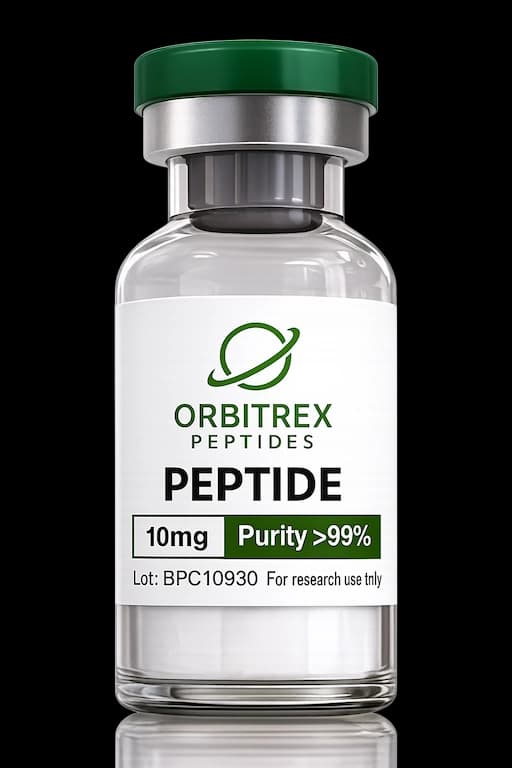
Thymosin Alpha-1 Supply
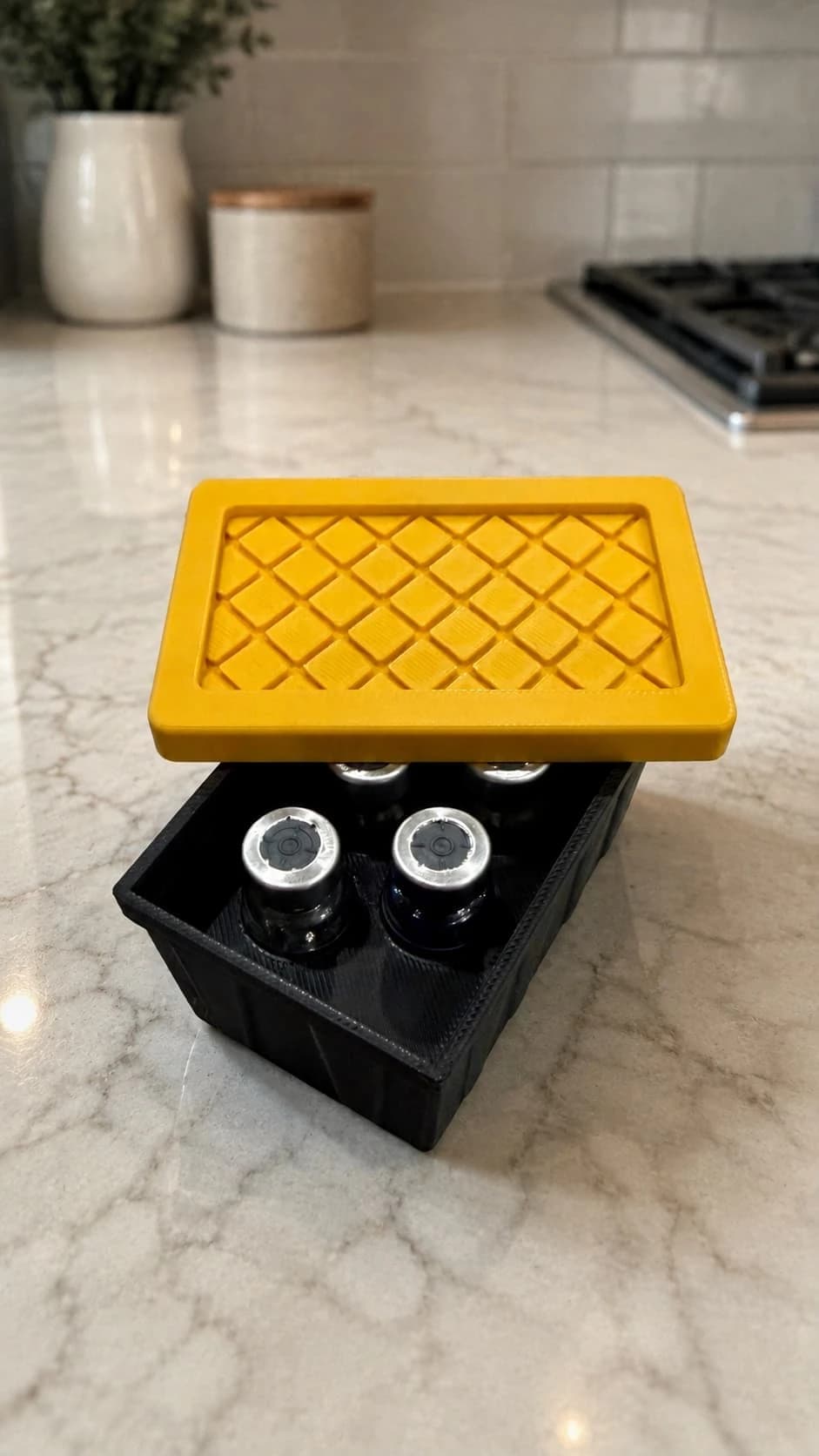
5-Vial Tote Case
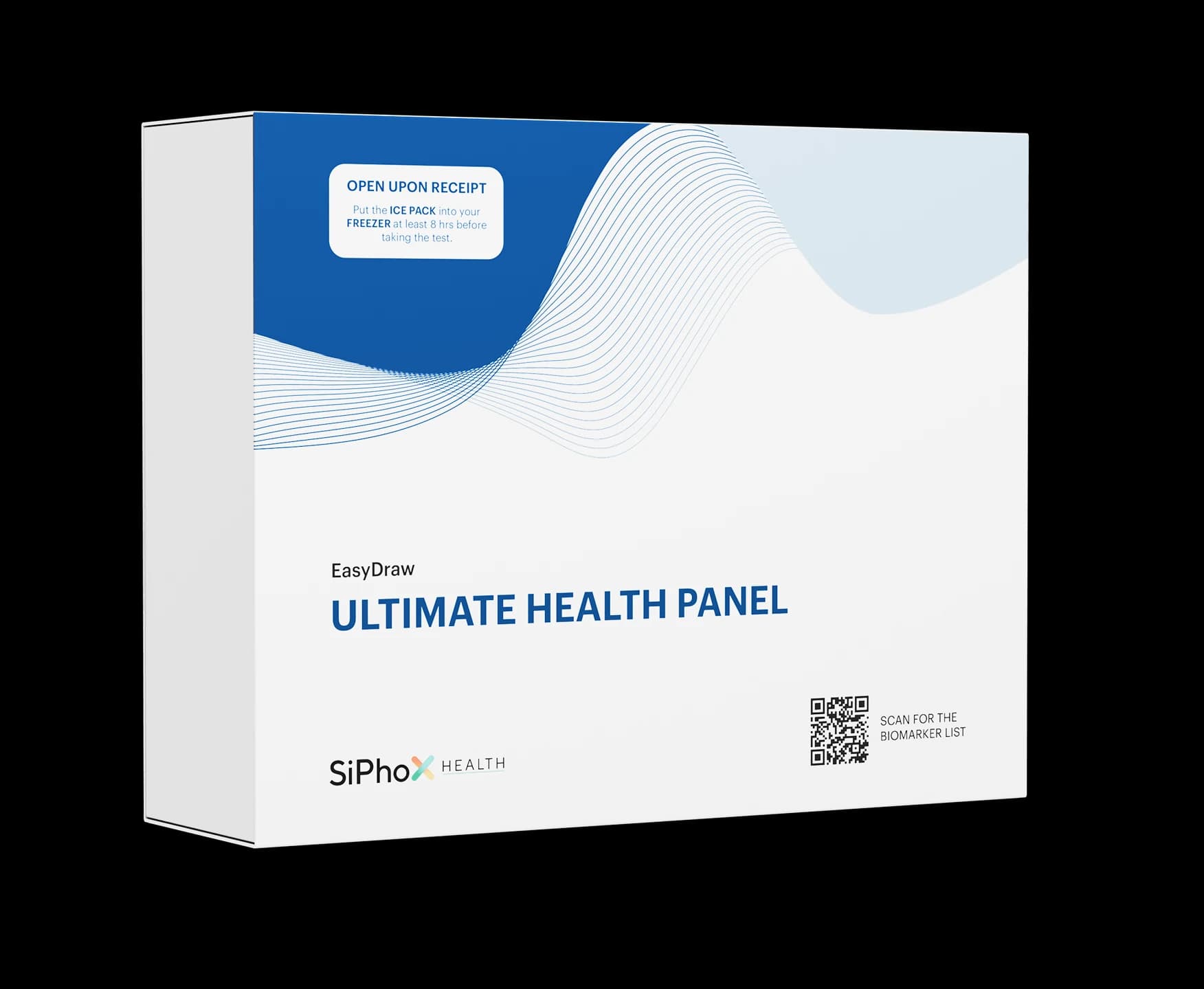
At-Home Blood Test
Research Supplies
Disclosure: supply links may earn PDP a commission at no cost to you.
Peptide Vials
Each 10 mg vial reconstituted with 2 mL BAC water yields about 6 doses at 1.6 mg.
| Cycle length | Planning note |
|---|---|
4 weeks 2 vials | 8 doses needed; 1 vial gives 6 doses, 2 vials give 12 (margin for losses). |
8 weeks 3 vials | 16 doses needed; 3 vials give 18 doses with margin. |
12 weeks 4 vials | 24 doses needed; 4 vials give 24 doses exactly - round up to 5 if you want margin. |
26 weeks (HBV course) 9 vials | 52 doses needed; 9 vials give 54 doses with margin. |
4 weeks
2 vials
8 doses needed; 1 vial gives 6 doses, 2 vials give 12 (margin for losses).
8 weeks
3 vials
16 doses needed; 3 vials give 18 doses with margin.
12 weeks
4 vials
24 doses needed; 4 vials give 24 doses exactly - round up to 5 if you want margin.
26 weeks (HBV course)
9 vials
52 doses needed; 9 vials give 54 doses with margin.
Insulin Syringes (U-100, 0.5 mL preferred)
1.6 mg from a 5 mg/mL vial = 0.32 mL = 32 units, which fits a 0.5 mL / 50-unit syringe cleanly.
| Cycle length | Planning note |
|---|---|
4 weeks 8 syringes | 1 syringe per injection. |
8 weeks 16 syringes | 1 syringe per injection. |
12 weeks 24 syringes | 1 syringe per injection. |
26 weeks 52 syringes | 1 syringe per injection; consider buying a 100-count box. |
4 weeks
8 syringes
1 syringe per injection.
8 weeks
16 syringes
1 syringe per injection.
12 weeks
24 syringes
1 syringe per injection.
26 weeks
52 syringes
1 syringe per injection; consider buying a 100-count box.
Bacteriostatic Water
Each 10 mg vial uses 2 mL BAC water for reconstitution.
| Cycle length | Planning note |
|---|---|
4-26 weeks 1 x 30 mL bottle | 4 weeks: 2 vials use 4 mL total; one bottle is plenty.; 8 weeks: 3 vials use 6 mL total; one bottle is plenty.; 12 weeks: 4 vials use 8 mL total; one bottle is plenty.; 26 weeks: 9 vials use 18 mL total; one bottle is plenty. |
4-26 weeks
1 x 30 mL bottle
4 weeks: 2 vials use 4 mL total; one bottle is plenty.; 8 weeks: 3 vials use 6 mL total; one bottle is plenty.; 12 weeks: 4 vials use 8 mL total; one bottle is plenty.; 26 weeks: 9 vials use 18 mL total; one bottle is plenty.
Round up for priming losses, dropped syringes, damaged swabs, and any protocol adjustments. A sharps container is required regardless of cycle length.
Companion Supplies & Routine Support
Thymosin Alpha-1 Reconstitution Calculator

Powered by PepPal
Thymosin Alpha-1 Reconstitution Calculator
Start with the protocol example, then customize every field.
Loaded reference
PDP 10 mg vial example
Your draw
32units
0.32 mL on a U-100 insulin syringe
- Concentration
- 5 mg/mL
- Target in mg
- 1.6 mg
- Math-only doses per vial
- 6.3
One free emailed save per person, checked by PepPal.
Educational calculation tool only. The loaded amount is a reference from this page, not a personal dose recommendation. Confirm the vial label, route, syringe type, and actual liquid added before relying on a result.
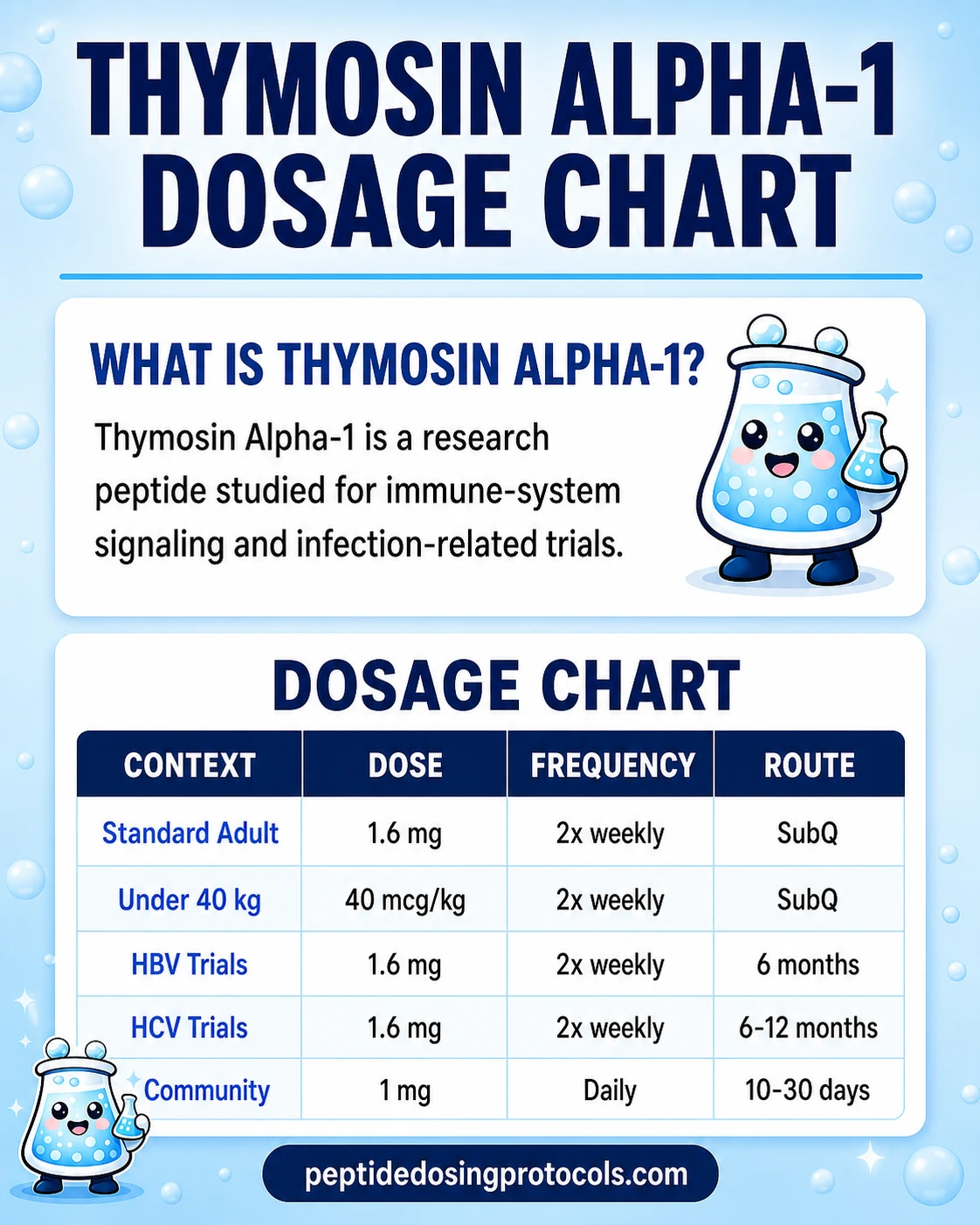
Thymosin Alpha-1 Dosage Chart
This Thymosin Alpha-1 dosage chart summarizes the standard 1.6 mg twice-weekly and weight-adjusted research dose contexts shown in the dosing section above.
Thymosin Alpha-1 Reconstitution Guide
TA1 ships as a lyophilized (freeze-dried) powder in vial sizes of 5 mg, 10 mg, and 20 mg. Bacteriostatic water (BAC water) is added before injection to dissolve the powder and create a measurable solution.
The table below shows the most common vial-to-BAC-water combinations and what each one means for drawing a 1.6 mg dose on a U-100 insulin syringe.
Reconstitution math for the 1.6 mg standard dose
Vial size
5 mg
BAC water
1 mL
Concentration
5 mg/mL
Volume per 1.6 mg
0.32 mL
Units (U-100 syringe)
32 units
Vial size
10 mg
BAC water
2 mL
Concentration
5 mg/mL
Volume per 1.6 mg
0.32 mL
Units (U-100 syringe)
32 units
Vial size
10 mg
BAC water
1 mL
Concentration
10 mg/mL
Volume per 1.6 mg
0.16 mL
Units (U-100 syringe)
16 units
Vial size
20 mg
BAC water
2 mL
Concentration
10 mg/mL
Volume per 1.6 mg
0.16 mL
Units (U-100 syringe)
16 units
Vial size
20 mg
BAC water
4 mL
Concentration
5 mg/mL
Volume per 1.6 mg
0.32 mL
Units (U-100 syringe)
32 units
| Vial size | BAC water | Concentration | Volume per 1.6 mg | Units (U-100 syringe) |
|---|---|---|---|---|
| 5 mg | 1 mL | 5 mg/mL | 0.32 mL | 32 units |
| 10 mg | 2 mL | 5 mg/mL | 0.32 mL | 32 units |
| 10 mg | 1 mL | 10 mg/mL | 0.16 mL | 16 units |
| 20 mg | 2 mL | 10 mg/mL | 0.16 mL | 16 units |
| 20 mg | 4 mL | 5 mg/mL | 0.32 mL | 32 units |
U-100 = 100 units per 1 mL. Use a 0.5 mL syringe for 32-unit draws and a 0.3 mL syringe for 16-unit draws.
Step-by-step reconstitution
- 01
Inspect the vial
Confirm the label, vial size, lot number, and that the powder pellet looks intact and dry.
- 02
Choose your concentration
Match a row from the reconstitution table above to the vial size you have and the syringe size you plan to use.
- 03
Prep the surfaces
Wipe the rubber stopper of both the BAC water vial and the TA1 vial with a fresh alcohol swab. Let them dry.
- 04
Draw your BAC water
Pull the planned volume of BAC water into a fresh syringe (e.g., 2 mL for a 10 mg vial at 5 mg/mL).
- 05
Inject the BAC water
Insert the needle into the TA1 vial and push the BAC water down the inside wall of the vial - not directly onto the powder pellet.
- 06
Mix gently
Swirl the vial slowly until the powder dissolves. Do not shake. The solution should be clear with no visible particles.
- 07
Label and refrigerate
Write the reconstitution date on the vial and store at 2-8°C (35.6-46.4°F). Use within 30 days.
Reconstitution calculator
If your vial size or BAC water volume is different from the rows above, use the PepPal reconstitution calculator to confirm units before drawing.
How Thymosin Alpha-1 Works
TA1 is a signaling peptide. It does not kill viruses or cancer cells directly. Instead, it tunes the immune system so the body's existing defenses work more effectively.
The pathway is well-mapped. TA1 binds two pattern-recognition receptors on antigen-presenting cells - Toll-like receptor 2 (TLR2) and Toll-like receptor 9 (TLR9) - which are the same receptors the immune system uses to detect bacterial and viral DNA. Activating them mimics the signal of a real pathogen and primes the rest of the immune response.
Downstream of TLR2 and TLR9, three things happen: dendritic cells mature into effective antigen presenters, T cells differentiate into helper (CD4+) and cytotoxic (CD8+) populations, and the immune balance shifts toward Th1, which is the side of immunity that handles intracellular infections (like hepatitis viruses) and tumor surveillance.
Importantly, TA1 is described in the literature as a modulator rather than a pure stimulator. Across decades of clinical use it does not appear to produce the cytokine-storm-style overactivation seen with some other immune therapies, which is one reason its safety profile has held up across so many indications.
Who Thymosin Alpha-1 Is For and Who Should Avoid It
TA1 has a benign safety record across more than three decades of international clinical use, but the same immune-activating mechanism that makes it useful also creates clear groups of people who should not use it without specialist oversight.
Should not use without physician supervision
Organ transplant recipients on immunosuppressive therapy. TA1 enhances cell-mediated immunity, which is the exact arm of immunity that anti-rejection drugs are trying to suppress. Combining the two could undermine transplant medication or trigger rejection.
Adults with active autoimmune flares. Because TA1 amplifies T-cell activity, it could in theory worsen an active autoimmune attack. Some clinical reports suggest stable, well-controlled autoimmune patients tolerate TA1, but starting the peptide during a flare is not supported by the evidence base.
Pregnant or breastfeeding women. Human safety data in pregnancy and lactation is limited. Animal studies have not shown fetal harm, but the Zadaxin label categorizes the drug as Category C and recommends use only when benefits clearly outweigh risks.
Adults under 18. Pediatric safety has not been established in published trials.
Anyone with known hypersensitivity to TA1, thymalfasin, or any vial component.
Thymosin Alpha-1 Side Effects & Safety
Across more than 3,000 patients in published TA1 trials, no clinically significant adverse reactions have been directly attributed to the peptide. Side effects, when they appear, are typically mild and self-limited.
Reported side effects from published TA1 research
Side effect
Injection-site reaction
Frequency
Common
Notes
Mild redness, soreness, or swelling that resolves within hours. Rotate sites.
Side effect
Transient ALT flare (liver enzyme bump)
Frequency
Common in HBV/HCV use
Notes
An ALT rise to >2x baseline can occur during therapy; per the Zadaxin label, treatment is generally continued unless signs of liver failure appear.
Side effect
Mild transient fatigue
Frequency
Occasional
Notes
Usually first few injections as immune activation begins.
Side effect
Mild flu-like symptoms
Frequency
Occasional
Notes
Reflects immune-system activation, not infection.
Side effect
Headache
Frequency
Rare
Notes
Mild and transient; resolves with hydration.
Side effect
GI discomfort
Frequency
Rare
Notes
Mild stomach upset reported in a minority of users.
Side effect
Polyarthralgia with hand edema
Frequency
Very rare
Notes
Joint pain with hand swelling reported in isolated cases.
Side effect
Hypersensitivity / allergic reaction
Frequency
Very rare
Notes
Limited to individuals with known peptide sensitivities.
| Side effect | Frequency | Notes |
|---|---|---|
| Injection-site reaction | Common | Mild redness, soreness, or swelling that resolves within hours. Rotate sites. |
| Transient ALT flare (liver enzyme bump) | Common in HBV/HCV use | An ALT rise to >2x baseline can occur during therapy; per the Zadaxin label, treatment is generally continued unless signs of liver failure appear. |
| Mild transient fatigue | Occasional | Usually first few injections as immune activation begins. |
| Mild flu-like symptoms | Occasional | Reflects immune-system activation, not infection. |
| Headache | Rare | Mild and transient; resolves with hydration. |
| GI discomfort | Rare | Mild stomach upset reported in a minority of users. |
| Polyarthralgia with hand edema | Very rare | Joint pain with hand swelling reported in isolated cases. |
| Hypersensitivity / allergic reaction | Very rare | Limited to individuals with known peptide sensitivities. |
Drug-interaction profile
TA1 has a notably clean drug-interaction profile. The Zadaxin label reports no clinically significant interactions in published trials and notes compatibility with antiretroviral therapy, conventional hepatitis treatments, and most antimicrobial regimens. Never mix TA1 with other drugs in the same syringe - always inject separately.
The one place to slow down is when TA1 is being considered alongside other immune-modulating drugs (immunosuppressants, biologics, or other immune enhancers). Additive effects are theoretically possible and warrant clinician oversight.
Quality-control risk
TA1 is a research-use product in the US. Vial-to-vial purity and content can vary across suppliers. A current Certificate of Analysis (COA) and a clear product label are the minimum quality signals to look for.
Thymosin Alpha-1 Timeline & What to Monitor
TA1's pharmacokinetics shape its schedule. Subcutaneous injection produces a peak blood concentration within 1-2 hours, and the drug clears with a half-life of about 2-3 hours. There is no accumulation between twice-weekly doses - each injection starts fresh.
What matters clinically isn't peak blood level - it's the downstream immune-cell changes that build up over weeks of repeated dosing.
Timeline references from published TA1 research
Endpoint
Peak plasma TA1 level
When measured
1-2 hours post-injection
Source
Rost et al. 1999 PK study
Endpoint
Lymphocyte / CD4+ shifts
When measured
4-8 weeks of dosing
Source
Multiple HBV/HCV trials
Endpoint
HBV viral load reduction
When measured
12-26 weeks
Source
Zadaxin pooled HBV monotherapy analysis
Endpoint
HCV sustained viral response (with interferon)
When measured
Up to 12 months post-treatment
Source
Zadaxin combination-therapy analyses
| Endpoint | When measured | Source |
|---|---|---|
| Peak plasma TA1 level | 1-2 hours post-injection | Rost et al. 1999 PK study |
| Lymphocyte / CD4+ shifts | 4-8 weeks of dosing | Multiple HBV/HCV trials |
| HBV viral load reduction | 12-26 weeks | Zadaxin pooled HBV monotherapy analysis |
| HCV sustained viral response (with interferon) | Up to 12 months post-treatment | Zadaxin combination-therapy analyses |
What is reasonable to monitor
Most published HBV/HCV protocols include complete blood count at baseline and every 3-6 months, liver function tests (ALT, AST, bilirubin) every 3 months, and viral load testing at protocol-specific intervals. For non-hepatitis research uses, CBC and ALT are still the most consistently reported monitoring labs in the literature.
ALT flare context
A transient ALT rise during HBV therapy is a documented label finding, not a sign that something is wrong. Persistent ALT elevation, jaundice, or signs of liver decompensation are different and require clinician review.
Thymosin Alpha-1 Clinical Evidence Context
TA1 has one of the longest research records of any peptide on the market, but the strength of the evidence varies sharply by indication. The summary below tracks human evidence first, then mechanism support, and flags the gaps that competitor pages tend to gloss over.
Chronic hepatitis B (strongest evidence)
Pooled analysis of three RCTs in the Zadaxin label found sustained virologic response advantages over placebo with 1.6 mg twice weekly for 6 months, especially when measured 12 months after the end of therapy. This is the foundation of TA1's international approval.
Chronic hepatitis C with interferon (moderate)
Pooled analysis of 2 RCTs and 1 historical-controlled trial showed sustained ALT normalization in 22.4% of TA1 + interferon patients versus 9.3% with interferon alone. Newer DAA-based hepatitis C regimens have largely replaced interferon, so the practical relevance has narrowed.
Cancer chemotherapy adjunct (moderate, fragmented)
Smaller RCTs and observational studies report reduced infection rates and better immune-cell preservation during chemotherapy in hepatocellular carcinoma, NSCLC, and melanoma cohorts. Trials are inconsistent in design, and a single landmark RCT does not yet exist.
Severe sepsis (mixed - read carefully)
The 2025 BMJ TESTS trial (1,106 adults, 22 Chinese centers, double-blinded, placebo-controlled) was the largest TA1 sepsis study ever conducted. The primary endpoint - 28-day all-cause mortality - was not significantly different (hazard ratio 0.94, 95% CI 0.76-1.16, p=0.54). A 2025 Frontiers meta-analysis of 11 RCTs (n=1,927) reported a pooled odds ratio of 0.73 for 28-day mortality, but the authors flagged heterogeneity and credibility caveats. Many secondary write-ups oversimplify this.
Post-COVID and long COVID (early)
A 2023 meta-analysis of COVID-19 trials found mortality reduction in some patient subgroups but no consistent length-of-stay improvement. Dedicated long COVID trials are limited.
General immune support / anti-aging (mechanism, not trials)
Thymic involution with age is real, and TA1 is mechanistically a thymic peptide, but dedicated trials in healthy adults using TA1 for anti-aging endpoints are limited. Most community use rests on the chronic-disease trial base.
Read the BMJ 2025 sepsis paper carefully
Several peptide sites cite the BMJ 2025 TESTS trial as positive evidence. The trial's primary endpoint was negative. A subsequent 2025 meta-analysis suggested mortality benefit, but trial sequential analysis flagged the result as not yet definitive. Treat sepsis as an active research question, not a settled application.
Thymosin Alpha-1 Storage & Handling
Storage conditions
State
Lyophilized (powder form)
Storage
35.6-46.4°F (2-8°C) long-term
Notes
Short-term room temperature is acceptable per the Zadaxin label, but refrigeration extends shelf life. Use the manufacturer's expiration date as the long-term reference.
State
Reconstituted (liquid form)
Storage
35.6-46.4°F (2-8°C)
Notes
Use within 30 days. Avoid freezing - freeze-thaw cycles degrade the peptide.
State
Light exposure
Storage
Protect from direct light
Notes
Store in original packaging or a closed compartment.
State
Travel
Storage
Insulated cooler with cold pack
Notes
Avoid letting the vial sit at room temperature for extended travel periods. Do not freeze.
| State | Storage | Notes |
|---|---|---|
| Lyophilized (powder form) | 35.6-46.4°F (2-8°C) long-term | Short-term room temperature is acceptable per the Zadaxin label, but refrigeration extends shelf life. Use the manufacturer's expiration date as the long-term reference. |
| Reconstituted (liquid form) | 35.6-46.4°F (2-8°C) | Use within 30 days. Avoid freezing - freeze-thaw cycles degrade the peptide. |
| Light exposure | Protect from direct light | Store in original packaging or a closed compartment. |
| Travel | Insulated cooler with cold pack | Avoid letting the vial sit at room temperature for extended travel periods. Do not freeze. |
Always defer to supplier-specific stability data on the Certificate of Analysis when available.
Thymosin Alpha-1 Protocol Mistakes & Troubleshooting
- 01
Missed dose
Published TA1 protocols note that a twice-weekly dose missed by 1-2 days is typically resumed without doubling up. After multiple missed doses, those protocols return to the planned weekly cadence rather than crowding doses together.
- 02
Cloudy or discolored vial
Reconstituted TA1 should be clear and colorless. Cloudiness, particles, or discoloration suggests degradation or contamination. Discard and use a new vial.
- 03
Wrong BAC water volume used
Recalculate the new concentration and adjust the draw volume accordingly. Concentration changes do not change the amount of peptide in the vial - they only change how much liquid contains 1.6 mg.
- 04
Injection-site reaction
Mild redness or soreness usually resolves within hours, and site rotation is the commonly reported practice. Persistent lumps, warmth, or spreading redness are signs of infection and warrant clinician review.
- 05
ALT bump on bloodwork
A transient ALT rise during HBV therapy is documented in the Zadaxin label. Persistent elevation or new symptoms (jaundice, fatigue, abdominal pain) need clinician evaluation, not protocol guesswork.
- 06
Storage mistake
If a reconstituted vial sat at room temperature for several hours, refrigerate immediately and use within 7 days as a precaution rather than the full 30. If the vial was frozen, discard.
- 07
Air bubbles in syringe
Tap the syringe to move bubbles to the top, push them back into the vial, and re-draw. A small bubble does not invalidate a subcutaneous dose, but consistent technique matters across sessions.
Thymosin Alpha-1 Regulatory Status
TA1's US regulatory status is the single most-asked-about thing on every TA1 page. As of June 2026, here's where it actually stands:
Internationally: TA1 is approved as Zadaxin (thymalfasin) in 35+ countries, primarily in Asia, the Middle East, and Latin America, for chronic hepatitis B, chronic hepatitis C, and as a cancer-treatment adjunct. SciClone Pharmaceuticals is the original manufacturer.
United States: TA1 has never been FDA-approved for any indication. SciClone advanced TA1 through US phase 3 hepatitis trials in the 1990s and 2000s but did not secure approval. In US compounding contexts, TA1's status has shifted multiple times in the last three years:
TA1 US compounding-status timeline
Date
September 2023
Action
FDA placed TA1 (along with several other peptides) in Category 2 of the interim 503A bulks list, citing significant safety concerns. Category 2 effectively prevents 503A compounding pharmacies from compounding the substance.
Date
2023-2024
Action
Litigation challenged the Category 2 placement on procedural grounds (Administrative Procedure Act, transparency of nomination process).
Date
September 20, 2024
Action
FDA announced TA1 (along with AOD-9604, CJC-1295, ipamorelin acetate, and Selank acetate) was being removed from Category 2 because the original nominators withdrew their nominations.
Date
December 4, 2024
Action
FDA's Pharmacy Compounding Advisory Committee (PCAC) reviewed TA1-related bulk drug substances for potential inclusion on the 503A bulks list. FDA was the presenter; nominations had been withdrawn.
Date
Pending
Action
FDA has not yet made a final determination on TA1's 503A status. The status as of this page's update remains unsettled.
| Date | Action |
|---|---|
| September 2023 | FDA placed TA1 (along with several other peptides) in Category 2 of the interim 503A bulks list, citing significant safety concerns. Category 2 effectively prevents 503A compounding pharmacies from compounding the substance. |
| 2023-2024 | Litigation challenged the Category 2 placement on procedural grounds (Administrative Procedure Act, transparency of nomination process). |
| September 20, 2024 | FDA announced TA1 (along with AOD-9604, CJC-1295, ipamorelin acetate, and Selank acetate) was being removed from Category 2 because the original nominators withdrew their nominations. |
| December 4, 2024 | FDA's Pharmacy Compounding Advisory Committee (PCAC) reviewed TA1-related bulk drug substances for potential inclusion on the 503A bulks list. FDA was the presenter; nominations had been withdrawn. |
| Pending | FDA has not yet made a final determination on TA1's 503A status. The status as of this page's update remains unsettled. |
Sources: FDA bulk drug substances notices, PCAC December 4, 2024 transcript, Lexology and Frier Levitt regulatory summaries.
Why this matters for research-use buyers
Research-use TA1 is sold by US peptide suppliers as a research-grade lyophilized powder, not a compounded prescription drug. The 503A debate is about pharmacy compounding, not about research-use product availability. Both contexts are legally distinct.
Thymosin Alpha-1 vs TB-500, BPC-157, and KPV
TA1 sits in a different category from the other commonly-stacked research peptides. The table below makes the differences explicit so it's easier to decide what to look at next.
TA1 vs nearby research peptides
Peptide
Thymosin Alpha-1
Mechanism
TLR2/TLR9 → dendritic cells → T-cell activation
Best-supported research context
Chronic HBV/HCV, cancer adjunct, immune support
Evidence base
Approved in 35+ countries; decades of clinical use
Peptide
TB-500 (thymosin beta-4 fragment)
Mechanism
Actin-binding peptide; cell migration and tissue repair
Best-supported research context
Soft-tissue and tendon repair (mostly preclinical)
Evidence base
Strong animal data; limited human trials
Peptide
Mechanism
Gastric pentadecapeptide; angiogenic and tissue repair
Best-supported research context
GI healing, soft-tissue repair
Evidence base
Strong animal data; limited human trials
Peptide
Mechanism
α-MSH C-terminal tripeptide; anti-inflammatory
Best-supported research context
Gut inflammation, topical skin
Evidence base
Mechanism clear; small clinical footprint
| Peptide | Mechanism | Best-supported research context | Evidence base |
|---|---|---|---|
| Thymosin Alpha-1 | TLR2/TLR9 → dendritic cells → T-cell activation | Chronic HBV/HCV, cancer adjunct, immune support | Approved in 35+ countries; decades of clinical use |
| TB-500 (thymosin beta-4 fragment) | Actin-binding peptide; cell migration and tissue repair | Soft-tissue and tendon repair (mostly preclinical) | Strong animal data; limited human trials |
| BPC-157 | Gastric pentadecapeptide; angiogenic and tissue repair | GI healing, soft-tissue repair | Strong animal data; limited human trials |
| KPV | α-MSH C-terminal tripeptide; anti-inflammatory | Gut inflammation, topical skin | Mechanism clear; small clinical footprint |
These peptides are not interchangeable. TA1 is the only one in this group with a major international approval base.
Thymosin Alpha-1 Blood Tests & Monitoring
Thymosin alpha-1 is usually discussed in immune-modulation research. Monitoring focuses on blood-cell patterns, liver/kidney context, inflammation markers, and autoimmune or infection history.
Blood test markers to discuss with a clinician
Marker
CBC with differential
Why it matters
Reviews white-cell patterns and other blood-cell changes relevant to immune context.
Timing
Baseline
Marker
Comprehensive metabolic panel (CMP)
Why it matters
Reviews liver, kidney, electrolyte, and glucose context in one broad panel.
Timing
Baseline
Marker
CRP
Why it matters
Adds a broad inflammation marker when inflammatory burden is part of the question.
Timing
Optional
Marker
ESR
Why it matters
Provides a slower-moving inflammation marker that may be useful with chronic immune symptoms.
Timing
Optional
| Marker | Why it matters | Timing |
|---|---|---|
| CBC with differential | Reviews white-cell patterns and other blood-cell changes relevant to immune context. | Baseline |
| Comprehensive metabolic panel (CMP) | Reviews liver, kidney, electrolyte, and glucose context in one broad panel. | Baseline |
| CRP | Adds a broad inflammation marker when inflammatory burden is part of the question. | Optional |
| ESR | Provides a slower-moving inflammation marker that may be useful with chronic immune symptoms. | Optional |
Monitoring guidance is immune-pathway-based and should be adapted to infection, autoimmune, and medication context.
At-home blood test option
Easy at home option to monitor core metrics during research cycles.
Partner link: PDP may earn a commission at no cost to you.
Simple timing framework
Baseline
Discuss baseline labs before starting, especially with autoimmune disease, chronic infection, immune medications, liver disease, or kidney disease.
Follow-up
Repeat immune and broad safety markers after 6-12 weeks if symptoms change or the protocol continues.
Longer term
For longer immune-focused protocols, review trends every 3-6 months with a clinician.
How to interpret the labs
- Immune-modulating protocols should be interpreted with infection history, autoimmune history, and medication use.
- Normal broad labs do not prove immune balance or infection clearance.
- Avoid positioning thymosin alpha-1 as a treatment or cure for immune disease.
Do not wait for routine labs
High fever, severe infection symptoms, breathing trouble, chest pain, severe rash, or allergic symptoms need medical review.
FAQ
Q1: What is Thymosin Alpha-1 used for?
TA1 (Zadaxin / thymalfasin) is approved internationally for chronic hepatitis B, chronic hepatitis C, and as an immune adjunct in cancer care, and has been studied in severe sepsis, post-viral recovery, and general immune support. It is not FDA-approved in the United States.
Q2: What is the standard Thymosin Alpha-1 dose?
The Zadaxin-anchored protocol is 1.6 mg subcutaneously twice weekly, with injections spaced 3-4 days apart. Adults under 40 kg use 40 mcg/kg twice weekly. This is research-context dosing, not a personal-use recommendation.
Q3: How is Thymosin Alpha-1 reconstituted?
A 10 mg vial reconstituted with 2 mL bacteriostatic water yields 5 mg/mL. At that concentration, a 1.6 mg dose equals 0.32 mL or 32 units on a U-100 insulin syringe. Other vial sizes (5 mg, 20 mg) are covered in the reconstitution guide.
Q4: Is Thymosin Alpha-1 FDA-approved?
No. TA1 is approved as Zadaxin in 35+ countries for chronic hepatitis B, chronic hepatitis C, and cancer adjunct use, but it has never received FDA approval. As of June 2026, its US 503A compounding status is unsettled - FDA placed it in Category 2 in September 2023, removed it from Category 2 in September 2024 after the nominators withdrew their nominations, and the PCAC reviewed it on December 4, 2024 with a final determination still pending.
Q5: Did the 2025 BMJ TESTS trial prove TA1 works for sepsis?
No - the trial's primary endpoint was negative. The TESTS trial enrolled 1,106 adults with sepsis at 22 Chinese centers and reported a 28-day all-cause mortality hazard ratio of 0.94 (95% CI 0.76-1.16, p=0.54), which is not statistically significant. A 2025 Frontiers meta-analysis of 11 RCTs reported a pooled odds ratio of 0.73, but the authors flagged heterogeneity. Sepsis is an active research question, not a settled TA1 application.
Q6: What are the side effects of Thymosin Alpha-1?
Reported side effects are mild and uncommon: injection-site reactions, transient fatigue, and mild flu-like symptoms. A transient ALT rise to more than twice baseline is documented during HBV therapy and is generally not a reason to stop treatment. Joint pain with hand swelling has been reported in isolated cases. See the side effects table for full detail.
Q7: Who should not use Thymosin Alpha-1?
Organ transplant recipients on immunosuppressive therapy, adults with active autoimmune flares, pregnant or breastfeeding women (Zadaxin is Category C), adults under 18, and anyone with known hypersensitivity. Adults on stable immune-modulating drugs should only consider TA1 with clinician oversight because of theoretical additive effects.
Q8: Is Thymosin Alpha-1 the same as TB-500?
No. TA1 (28 amino acids) and TB-500 / thymosin beta-4 fragment (43 amino acids) are different peptides from the same thymosin family. TA1 acts on TLR2/TLR9 and immune T-cell pathways; TB-500 binds actin and acts on cell migration and tissue repair. They are sometimes used in the same research context but they do different things. See the TB-500 protocol for the comparison.
Q9: How long until Thymosin Alpha-1 starts working?
Pharmacokinetics: peak blood level at 1-2 hours, half-life 2-3 hours, no accumulation between twice-weekly doses. Immune-cell-level changes typically build over 4-8 weeks of repeated dosing. Endpoints in HBV trials (viral load reduction, sustained virologic response) are usually measured at 6-12 months.
Q10: Can Thymosin Alpha-1 be stacked with other peptides?
Common research stacks include TA1 with BPC-157 for combined immune and tissue-repair contexts. TA1 should never be mixed with another drug in the same syringe and should not be combined with systemic immunosuppressants without clinician oversight. Stacking is research context, not a treatment recommendation.
Q11: Where can I read the original Zadaxin label?
Zadaxin/thymalfasin label data is available from SciClone Pharmaceuticals' historical materials and from international regulatory filings. The professional monograph published through the peptide research community summarizes the labeled HBV/HCV indications, the under-40-kg dosing adjustment, and the Category C pregnancy classification.
Sources & Research
- 1. Wu J, Pei F, Zhou L, et al. The efficacy and safety of thymosin α1 for sepsis (TESTS): multicentre, double blinded, randomised, placebo controlled, phase 3 trial. BMJ (2025)
- 2. Gu B, Zhou Y, Nie Y, et al. Efficacy of thymosin α1 for sepsis: a systematic review and meta-analysis of randomized controlled trials. Frontiers in Cellular and Infection Microbiology (2025)
- 3. Dominari A, et al. Thymosin alpha 1: A comprehensive review of the literature. World Journal of Virology (2020)
- 4. Tao N, et al. Thymosin α1 and Its Role in Viral Infectious Diseases: The Mechanism and Clinical Application. Molecules (MDPI) (2023)
- 5. Dinetz E, Lee E. Comprehensive Review of the Safety and Efficacy of Thymosin Alpha 1 in Human Clinical Trials. Alternative Therapies in Health and Medicine (2024)
- 6. SciClone Pharmaceuticals Zadaxin (thymalfasin) Professional Monograph - dosing, indications, and pregnancy category. SciClone / peptidesociety.org archive (2018)
- 7. Rost K, Wierich W, Masayuki F, Tuthill C, Horwitz D, Herrmann W. Pharmacokinetics of thymosin alpha 1 after subcutaneous injection of three different formulations in healthy volunteers. International Journal of Clinical Pharmacology and Therapeutics (1999)
- 8. U.S. Food and Drug Administration Bulk Drug Substances Nominated for Use in Compounding Under Section 503A - 503A bulks list updates and Category 2 status. FDA (2024)
- 9. U.S. Food and Drug Administration PCAC Topic 1: thymosin alpha-1-related bulk drug substances - December 4, 2024 transcript. FDA Pharmacy Compounding Advisory Committee (2024)
- 10. Lexology / Hyman Phelps & McNamara FDA removes certain peptide bulk drug substances from Category 2 of interim 503A bulks list and sets dates for PCAC review. Lexology (2024)
- 11. Tian Y, et al. Thymosin alpha 1 alleviates inflammation and prevents infection in patients with severe acute pancreatitis through immune regulation: a systematic review and meta-analysis. Frontiers in Immunology (2025)
- 12. Zadaxin Drug Description / RxList compilation ZADAXIN thymosin alpha 1 (thymalfasin) - indications, dosing, and ALT flare label note. RxList / SciClone label compilation (2024)
Related Dosing Protocols

Written by Garret Grant
Founder & Lead Researcher · B.S. Civil Engineering, UCLA
Last updated: August 2026
Human-researched and AI-assisted with full editorial review. I verify sources, protocol interpretation, and final judgments personally. See methodology.
Share this page