

Retatrutide Quick Start
Retatrutide is an investigational once-weekly triple hormone receptor agonist being studied in Phase 3 trials. It activates GIP, GLP-1, and glucagon receptors.
This page separates the current Phase 3 TRIUMPH dose-escalation design from the earlier Phase 2 study. It also covers reconstitution and U-100 syringe math as calculation examples. Retatrutide is not FDA-approved, and this page is not a personal treatment plan.
Retatrutide remains investigational and does not have an FDA-approved dosage. This page explains published trial designs and calculation examples for education only; it is not a recommendation for human use.
Route
Subcutaneous injection in clinical trials.
Frequency
Once weekly in published Phase 2 and Phase 3 studies.
Phase 3 starting dose
2 mg once weekly.
Phase 3 escalation
Dose increases every 4 weeks until the assigned target dose is reached.
Phase 3 target doses
4 mg, 9 mg, or 12 mg depending on the TRIUMPH trial arm.
Research status
Investigational; not FDA-approved as of August 2026.
Disclaimer
This page is an educational research reference. It is not medical advice, not a treatment plan, and not a recommendation to use retatrutide outside of a clinical trial or qualified medical care.
This page is for dose steps, titration, vial mixing, and supplies. Want the bigger research picture? See the Retatrutide study guide. It covers how it works, trial data, side effects, and legal status.
Retatrutide Protocol: Starting Dose & Titration Schedule
Retatrutide does not have an FDA-approved starting dose because it is still investigational. In Lilly's Phase 3 TRIUMPH program, participants assigned to retatrutide started at 2 mg once weekly and increased the dose every four weeks until they reached their assigned target dose.
The earlier Phase 2 study used several starting-dose and target-dose arms, including a fixed 1 mg arm. Phase 2 and Phase 3 should therefore be shown separately rather than merged into one universal schedule.
Phase 3 TRIUMPH Retatrutide Titration Schedule
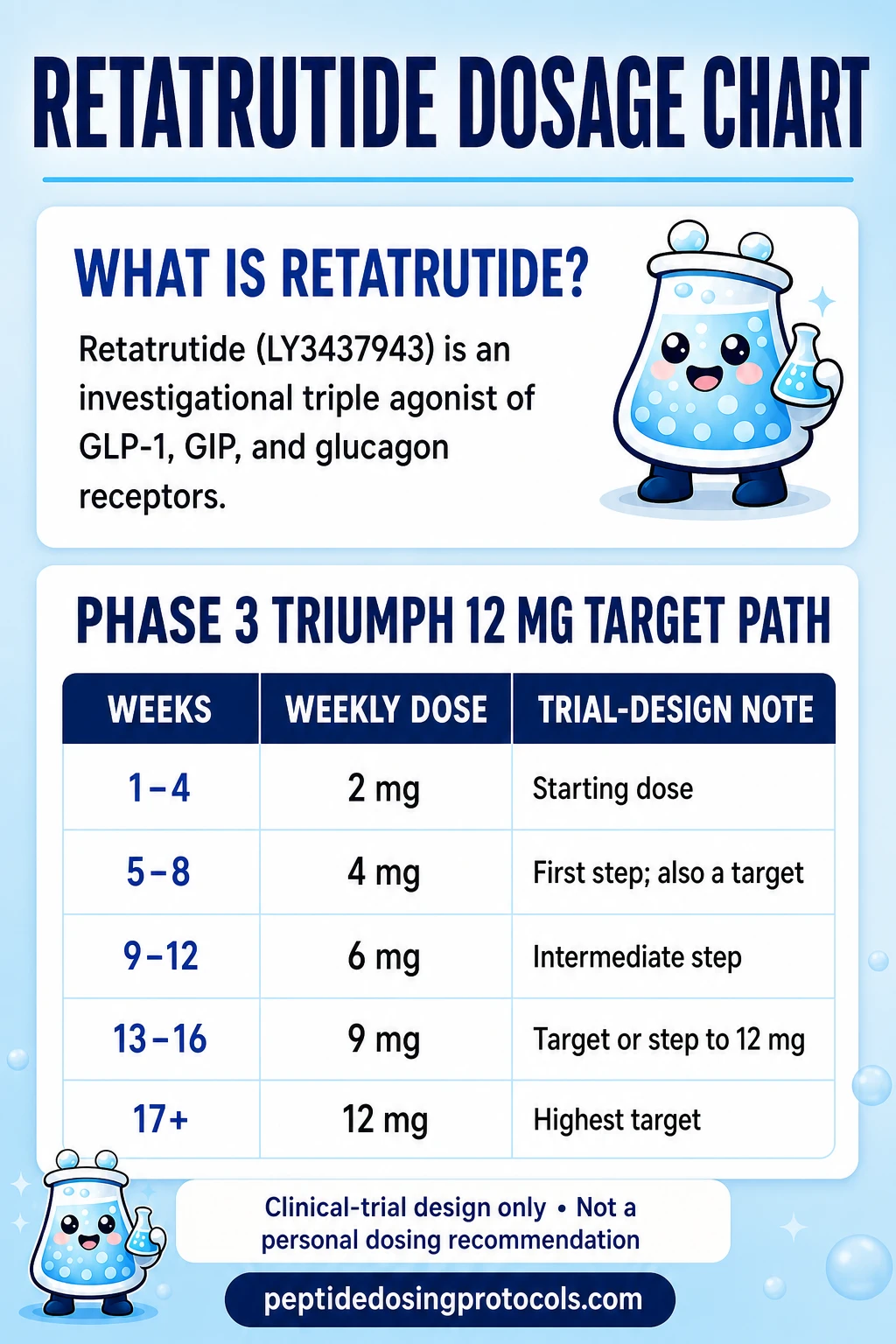
The Phase 3 TRIUMPH program uses a 2 mg starting dose and four-week escalation steps. The table below shows the path to the highest 12 mg target. Participants assigned to a 4 mg or 9 mg target stop escalating when they reach that assigned dose.
Phase 3 TRIUMPH retatrutide titration schedule
Weeks
1-4
Weekly dose
2 mg
Trial-design note
Starting dose used across the initial TRIUMPH Phase 3 program.
Weeks
5-8
Weekly dose
4 mg
Trial-design note
First escalation step. Also a target dose in TRIUMPH-1 and TRIUMPH-2.
Weeks
9-12
Weekly dose
6 mg
Trial-design note
Intermediate escalation step before the 9 mg or 12 mg target.
Weeks
13-16
Weekly dose
9 mg
Trial-design note
Target dose in the initial TRIUMPH program; also a step toward 12 mg.
Weeks
17+
Weekly dose
12 mg
Trial-design note
Highest target dose in the initial TRIUMPH program.
| Weeks | Weekly dose | Trial-design note |
|---|---|---|
| 1-4 | 2 mg | Starting dose used across the initial TRIUMPH Phase 3 program. |
| 5-8 | 4 mg | First escalation step. Also a target dose in TRIUMPH-1 and TRIUMPH-2. |
| 9-12 | 6 mg | Intermediate escalation step before the 9 mg or 12 mg target. |
| 13-16 | 9 mg | Target dose in the initial TRIUMPH program; also a step toward 12 mg. |
| 17+ | 12 mg | Highest target dose in the initial TRIUMPH program. |
This table shows the Phase 3 escalation path to the 12 mg target. It is a summary of clinical-trial design, not a recommendation for personal dosing.
Phase 2 Retatrutide Dose Arms
The 2023 Phase 2 obesity trial did not use one universal titration ladder. Participants were assigned to several target-dose groups with different starting doses. The study lasted 48 weeks and used once-weekly subcutaneous dosing.
Phase 2 retatrutide dose arms
Target dose
1 mg
Initial dose
1 mg
Study context
Fixed 1 mg arm
Target dose
4 mg
Initial dose
2 mg
Study context
4 mg target with lower starting dose
Target dose
4 mg
Initial dose
4 mg
Study context
4 mg target without the lower start
Target dose
8 mg
Initial dose
2 mg
Study context
8 mg target with lower starting dose
Target dose
8 mg
Initial dose
4 mg
Study context
8 mg target with higher starting dose
Target dose
12 mg
Initial dose
2 mg
Study context
Highest Phase 2 target with a 2 mg starting dose
| Target dose | Initial dose | Study context |
|---|---|---|
| 1 mg | 1 mg | Fixed 1 mg arm |
| 4 mg | 2 mg | 4 mg target with lower starting dose |
| 4 mg | 4 mg | 4 mg target without the lower start |
| 8 mg | 2 mg | 8 mg target with lower starting dose |
| 8 mg | 4 mg | 8 mg target with higher starting dose |
| 12 mg | 2 mg | Highest Phase 2 target with a 2 mg starting dose |
Source: Jastreboff et al., NEJM 2023. Phase 2 trial, 48 weeks.
This matters because the Phase 2 trial is sometimes summarized online as one 1-to-12 mg schedule. That is not how the study was designed. Keep the Phase 2 dose arms separate from the Phase 3 TRIUMPH schedule.
Study duration context
Retatrutide study durations
Study
Phase 2 obesity trial
Population
Adults with obesity without diabetes
Duration
48 weeks
Study
TRIUMPH-4
Population
Adults with obesity and knee osteoarthritis
Duration
68 weeks
Study
TRIUMPH-1, TRIUMPH-2, and TRIUMPH-3
Population
Different study populations
Duration
80 weeks for the main reported results
| Study | Population | Duration |
|---|---|---|
| Phase 2 obesity trial | Adults with obesity without diabetes | 48 weeks |
| TRIUMPH-4 | Adults with obesity and knee osteoarthritis | 68 weeks |
| TRIUMPH-1, TRIUMPH-2, and TRIUMPH-3 | Different study populations | 80 weeks for the main reported results |
These are clinical-trial durations, not suggested personal cycle lengths.
For a closer look at 12-, 36-, 48-, 68-, 80-, and 104-week research periods, withdrawal evidence, and the lack of a proven off-cycle schedule, read the Retatrutide Cycle Length Guide.
Need unit math for a different vial size or BAC water volume? Use the Retatrutide Peptide Calculator for calculation-only conversions.
Retatrutide Supplies Needed
These vial counts use the Phase 3 escalation path to the 12 mg target: 2 mg, 4 mg, 6 mg, 9 mg, and 12 mg in four-week steps. Participants assigned to lower targets stop escalating when they reach their assigned dose.
Recommended U.S. and Canada Supply
Choose your region
Use discount code PEPPAL at Peptide Partners checkout. See why we love Peptide Partners.
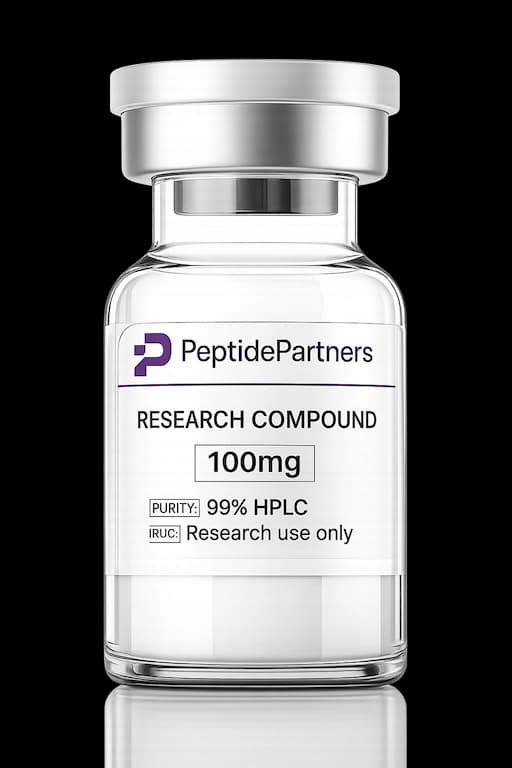
Peptide Partners Retatrutide (24mg Vials)
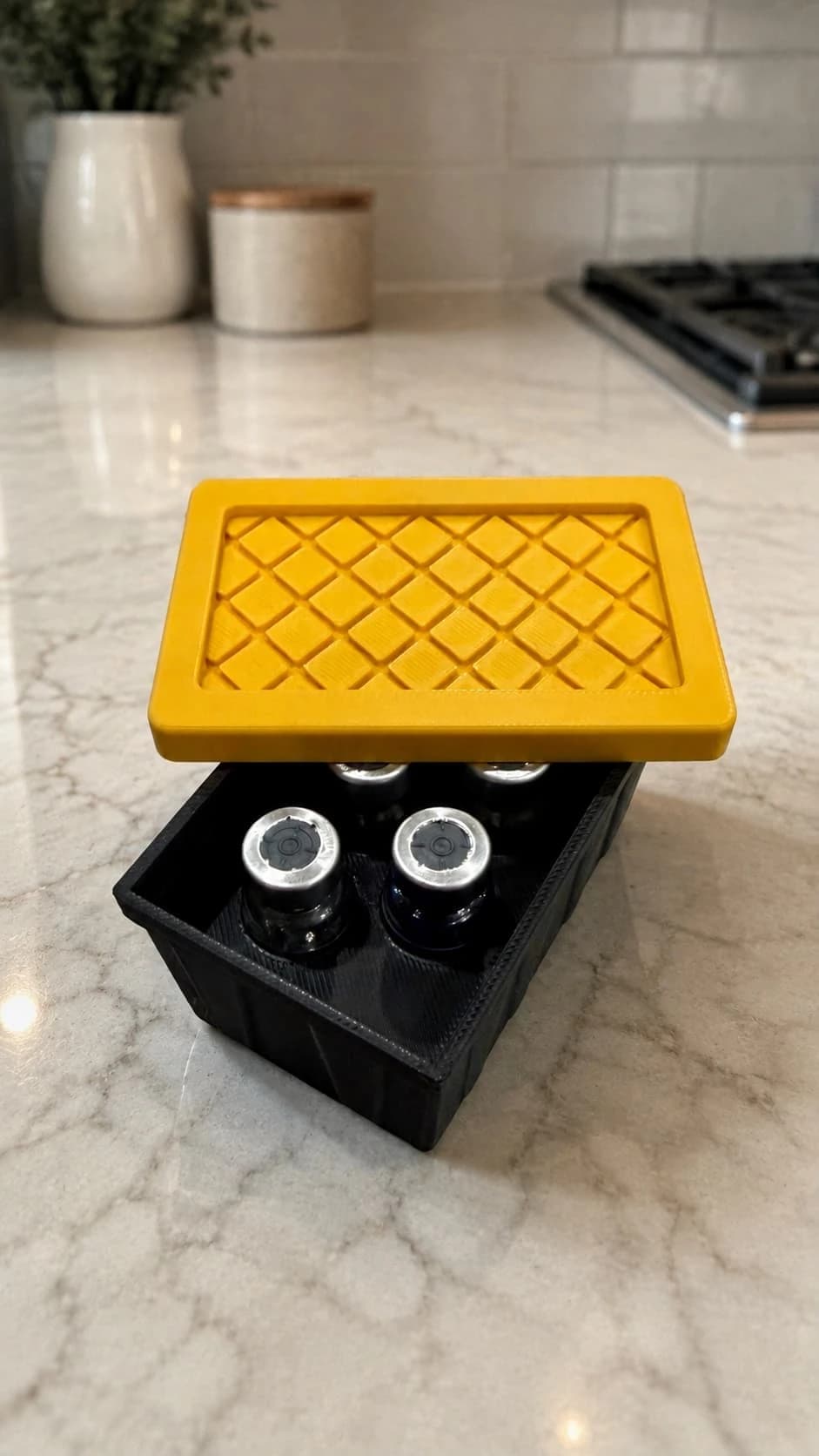
5-Vial Tote Case
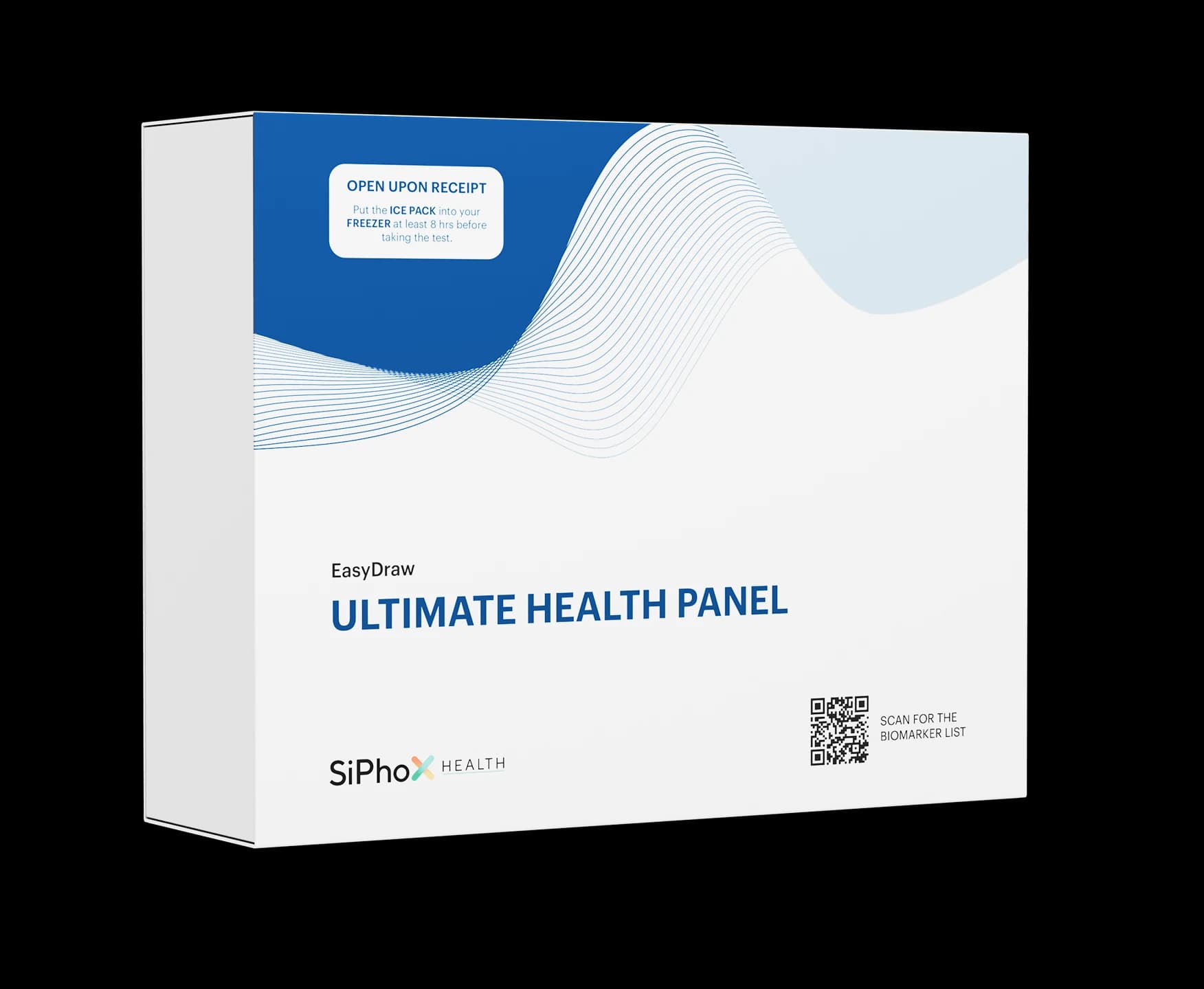
At-Home Blood Test
Research Supplies
Disclosure: supply links may earn PDP a commission at no cost to you.
Peptide Vials (10 mg vials)
10 mg vial is the most common research format. With 2.0 mL BAC water, concentration is 5 mg/mL.
| Cycle length | Planning note |
|---|---|
4 weeks 1 vial | 8 mg total; one 10 mg vial covers the calculation. |
8 weeks 3 vials | 24 mg total; 3 × 10 mg vials provide 30 mg. |
12 weeks 5 vials | 48 mg total; 5 × 10 mg vials provide 50 mg. |
16 weeks 9 vials | 84 mg total; 9 × 10 mg vials provide 90 mg. |
20 weeks 14 vials | 132 mg total; 14 × 10 mg vials provide 140 mg. |
24 weeks 18 vials | 180 mg total; 18 × 10 mg vials provide 180 mg before normal handling loss. |
4 weeks
1 vial
8 mg total; one 10 mg vial covers the calculation.
8 weeks
3 vials
24 mg total; 3 × 10 mg vials provide 30 mg.
12 weeks
5 vials
48 mg total; 5 × 10 mg vials provide 50 mg.
16 weeks
9 vials
84 mg total; 9 × 10 mg vials provide 90 mg.
20 weeks
14 vials
132 mg total; 14 × 10 mg vials provide 140 mg.
24 weeks
18 vials
180 mg total; 18 × 10 mg vials provide 180 mg before normal handling loss.
Peptide Vials (24 mg vials)
The current Peptide Partners listing uses 24 mg vials. With 2.4 mL BAC water, concentration is 10 mg/mL.
| Cycle length | Planning note |
|---|---|
4 weeks 1 vial | 8 mg total; one 24 mg vial covers the calculation. |
8 weeks 1 vial minimum | 24 mg total; one 24 mg vial is exact on paper and leaves no handling-loss margin. |
12 weeks 2 vials minimum | 48 mg total; 2 × 24 mg vials is exact on paper and leaves no handling-loss margin. |
16 weeks 4 vials minimum | 84 mg total; 4 × 24 mg vials provide 96 mg. |
20 weeks 6 vials minimum | 132 mg total; 6 × 24 mg vials provide 144 mg. |
24 weeks 8 vials minimum | 180 mg total; 8 × 24 mg vials provide 192 mg. |
4 weeks
1 vial
8 mg total; one 24 mg vial covers the calculation.
8 weeks
1 vial minimum
24 mg total; one 24 mg vial is exact on paper and leaves no handling-loss margin.
12 weeks
2 vials minimum
48 mg total; 2 × 24 mg vials is exact on paper and leaves no handling-loss margin.
16 weeks
4 vials minimum
84 mg total; 4 × 24 mg vials provide 96 mg.
20 weeks
6 vials minimum
132 mg total; 6 × 24 mg vials provide 144 mg.
24 weeks
8 vials minimum
180 mg total; 8 × 24 mg vials provide 192 mg.
Insulin Syringes (U-100, 0.3 mL or 0.5 mL)
One syringe per weekly injection. 0.3 mL syringes work well at lower doses; 0.5 mL syringes are easier when the draw is closer to 0.40-0.80 mL.
| Cycle length | Planning note |
|---|---|
4 weeks 4 syringes | 1 syringe per weekly injection. |
8 weeks 8 syringes | 1 syringe per weekly injection. |
12 weeks 12 syringes | 1 syringe per weekly injection. |
24 weeks 24 syringes | 1 syringe per weekly injection; recommend a 100-count box. |
4 weeks
4 syringes
1 syringe per weekly injection.
8 weeks
8 syringes
1 syringe per weekly injection.
12 weeks
12 syringes
1 syringe per weekly injection.
24 weeks
24 syringes
1 syringe per weekly injection; recommend a 100-count box.
Bacteriostatic Water (10 mL bottles)
Use 2.0 mL per 10 mg vial or 2.4 mL per 24 mg vial. Add a margin for spills and re-dos.
| Cycle length | Planning note |
|---|---|
8 weeks 1 x 10 mL bottle | 3 × 10 mg vials use 6.0 mL; one 24 mg vial uses 2.4 mL. |
16 weeks 2 x 10 mL bottles | 9 × 10 mg vials use 18.0 mL; 4 × 24 mg vials use 9.6 mL. |
24 weeks 4 bottles for 10 mg vials; 2 for 24 mg vials | 18 × 10 mg vials use 36.0 mL; 8 × 24 mg vials use 19.2 mL. |
8 weeks
1 x 10 mL bottle
3 × 10 mg vials use 6.0 mL; one 24 mg vial uses 2.4 mL.
16 weeks
2 x 10 mL bottles
9 × 10 mg vials use 18.0 mL; 4 × 24 mg vials use 9.6 mL.
24 weeks
4 bottles for 10 mg vials; 2 for 24 mg vials
18 × 10 mg vials use 36.0 mL; 8 × 24 mg vials use 19.2 mL.
These are arithmetic examples based on the Phase 3 path to the 12 mg target. They are not a recommendation to follow that trial arm or use retatrutide.
Companion Supplies & Routine Support
Retatrutide Reconstitution Calculator

Powered by PepPal
Retatrutide Reconstitution Calculator
Start with the protocol example, then customize every field.
Loaded reference
PDP Phase 3 and vial-math example
Your draw
40units
0.4 mL on a U-100 insulin syringe
- Concentration
- 5 mg/mL
- Target in mg
- 2 mg
- Math-only doses per vial
- 5
One free emailed save per person, checked by PepPal.
Educational calculation tool only. The loaded amount is a reference from this page, not a personal dose recommendation. Confirm the vial label, route, syringe type, and actual liquid added before relying on a result.
Retatrutide Reconstitution Guide
Reconstitution answers two questions. First, how much bacteriostatic water to add to the lyophilized vial. Second, how many syringe units match each weekly dose after mixing. Read across the row for the vial size you have.
Retatrutide reconstitution chart
Vial Size
5 mg
BAC Water
1.0 mL
Concentration
5 mg/mL (5,000 mcg/mL)
1 mg
0.20 mL (20 units)
2 mg
0.40 mL (40 units)
4 mg
0.80 mL (80 units)
6 mg
Exceeds vial
9 mg
Exceeds vial
12 mg
Exceeds vial
Vial Size
10 mg
BAC Water
2.0 mL
Concentration
5 mg/mL (5,000 mcg/mL)
1 mg
0.20 mL (20 units)
2 mg
0.40 mL (40 units)
4 mg
0.80 mL (80 units)
6 mg
1.20 mL - split draw or 2 vials
9 mg
Requires 2 vials
12 mg
Requires 2-3 vials
Vial Size
12 mg
BAC Water
1.2 mL
Concentration
10 mg/mL (10,000 mcg/mL)
1 mg
0.10 mL (10 units)
2 mg
0.20 mL (20 units)
4 mg
0.40 mL (40 units)
6 mg
0.60 mL (60 units)
9 mg
0.90 mL (90 units)
12 mg
1.20 mL - split draw
Vial Size
20 mg
BAC Water
2.0 mL
Concentration
10 mg/mL (10,000 mcg/mL)
1 mg
0.10 mL (10 units)
2 mg
0.20 mL (20 units)
4 mg
0.40 mL (40 units)
6 mg
0.60 mL (60 units)
9 mg
0.90 mL (90 units)
12 mg
1.20 mL - split draw
Vial Size
30 mg
BAC Water
3.0 mL
Concentration
10 mg/mL (10,000 mcg/mL)
1 mg
0.10 mL (10 units)
2 mg
0.20 mL (20 units)
4 mg
0.40 mL (40 units)
6 mg
0.60 mL (60 units)
9 mg
0.90 mL (90 units)
12 mg
1.20 mL - split draw
| Vial Size | BAC Water | Concentration | 1 mg | 2 mg | 4 mg | 6 mg | 9 mg | 12 mg |
|---|---|---|---|---|---|---|---|---|
| 5 mg | 1.0 mL | 5 mg/mL (5,000 mcg/mL) | 0.20 mL (20 units) | 0.40 mL (40 units) | 0.80 mL (80 units) | Exceeds vial | Exceeds vial | Exceeds vial |
| 10 mg | 2.0 mL | 5 mg/mL (5,000 mcg/mL) | 0.20 mL (20 units) | 0.40 mL (40 units) | 0.80 mL (80 units) | 1.20 mL - split draw or 2 vials | Requires 2 vials | Requires 2-3 vials |
| 12 mg | 1.2 mL | 10 mg/mL (10,000 mcg/mL) | 0.10 mL (10 units) | 0.20 mL (20 units) | 0.40 mL (40 units) | 0.60 mL (60 units) | 0.90 mL (90 units) | 1.20 mL - split draw |
| 20 mg | 2.0 mL | 10 mg/mL (10,000 mcg/mL) | 0.10 mL (10 units) | 0.20 mL (20 units) | 0.40 mL (40 units) | 0.60 mL (60 units) | 0.90 mL (90 units) | 1.20 mL - split draw |
| 30 mg | 3.0 mL | 10 mg/mL (10,000 mcg/mL) | 0.10 mL (10 units) | 0.20 mL (20 units) | 0.40 mL (40 units) | 0.60 mL (60 units) | 0.90 mL (90 units) | 1.20 mL - split draw |
Units are U-100 insulin syringe units (1 mL = 100 units). Split draw means split the dose across two injections in the same session, or use a larger 1 mL syringe.
Retatrutide 12 mg Dosage and Concentration Chart
At 12 mg mixed with 1.2 mL, the concentration is 10 mg/mL. On a U-100 syringe, 100 units equal 1 mL, so each 1 mg equals 0.10 mL or 10 units. The table below is concentration math only; it does not tell a reader what dose to use.
Retatrutide 12 mg dosage and concentration chart
Reference amount
2 mg
Volume at 10 mg/mL
0.20 mL
U-100 units
20 units
Reference amount
4 mg
Volume at 10 mg/mL
0.40 mL
U-100 units
40 units
Reference amount
6 mg
Volume at 10 mg/mL
0.60 mL
U-100 units
60 units
Reference amount
9 mg
Volume at 10 mg/mL
0.90 mL
U-100 units
90 units
Reference amount
12 mg
Volume at 10 mg/mL
1.20 mL
U-100 units
120 units
| Reference amount | Volume at 10 mg/mL | U-100 units |
|---|---|---|
| 2 mg | 0.20 mL | 20 units |
| 4 mg | 0.40 mL | 40 units |
| 6 mg | 0.60 mL | 60 units |
| 9 mg | 0.90 mL | 90 units |
| 12 mg | 1.20 mL | 120 units |
Calculation basis: 12 mg ÷ 1.2 mL = 10 mg/mL. U-100 math uses 100 units = 1 mL.
Step-by-step reconstitution
- 01
Bring vials to room temperature
Let the lyophilized retatrutide vial and the BAC water sit at room temperature before mixing.
- 02
Clean both vial stoppers
Wipe with an alcohol swab and let them dry fully.
- 03
Draw the BAC water
Use a sterile syringe to draw the volume from the reconstitution chart for your vial size.
- 04
Inject down the vial wall
Push the BAC water slowly down the inside wall of the retatrutide vial. Do not spray it directly into the powder.
- 05
Swirl gently
Swirl the vial until the solution is clear. Do not shake.
- 06
Label the vial
Write the concentration (mg/mL) and the date you reconstituted it on the vial label.
- 07
Refrigerate
Store at 35.6-46.4F (2-8C) and plan to use within 2-4 weeks.
Need a custom vial size?
Use the free Retatrutide Peptide Calculator to match exact syringe units to any vial size and BAC water volume.
Retatrutide Dosage Chart
This retatrutide dosage chart summarizes the Phase 3 TRIUMPH escalation path to the 12 mg target: 2 mg, 4 mg, 6 mg, 9 mg, and 12 mg in four-week steps. Participants assigned to lower target doses stop escalating when they reach their assigned target.
How Retatrutide Works
Retatrutide acts on three hormone pathways at the same time: GLP-1, GIP, and glucagon. Most other research peptides in this class only act on one or two. The simplest way to picture it: one pathway helps the body feel full, one helps it handle blood sugar and stored fuel, and one may push energy use up.
GLP-1 receptor (the 'feel full' lever)
This is the same general pathway used by semaglutide. It slows digestion and helps people feel full longer, which is one reason retatrutide can reduce appetite. Researchers coming from GLP-1 work will recognize this part of the mechanism.
GIP receptor (the 'handle fuel' lever)
GIP is short for glucose-dependent insulinotropic polypeptide. It is part of why retatrutide is studied as a broader metabolic compound rather than only an appetite tool. In plain English, it helps the body manage blood sugar and how it stores energy.
Glucagon receptor (the 'burn more' lever)
This is the third lever, and it is what separates retatrutide from tirzepatide. Glucagon receptor activity is linked to higher energy expenditure and fat oxidation. It is a likely reason why the weight loss and liver fat numbers in trials look stronger than older single- or dual-pathway compounds.
Structurally, retatrutide is a 39-amino acid single-chain peptide with a C20 fatty diacid attachment. That attachment helps it bind to albumin in the blood. The longer circulation time is the technical reason for the ~6-day half-life and once-weekly dosing.
Who Retatrutide Is For and Who Should Avoid It
Retatrutide is currently studied in adults with obesity, adults with type 2 diabetes, and adults with weight-related conditions like knee osteoarthritis, sleep apnea, and metabolic dysfunction-associated steatotic liver disease (MASLD). It is not approved for any use as of August 2026, so eligibility is defined by the trials, not by a label.
Trial exclusion patterns
Phase 2 and Phase 3 retatrutide trials commonly excluded participants with a history of pancreatitis, medullary thyroid carcinoma, multiple endocrine neoplasia syndrome type 2 (MEN 2), severe gastroparesis, recent major cardiovascular events, severe kidney impairment, type 1 diabetes (in the obesity studies), and pregnancy or breastfeeding. These exclusions follow the same general pattern used in semaglutide and tirzepatide trials.
Pregnancy, breastfeeding, and trying to conceive
Retatrutide has not been studied in pregnant or breastfeeding people. Trials require effective contraception. Anyone in those situations should not be considering retatrutide outside qualified medical care.
Conditions that need clinician oversight
- Personal or family history of medullary thyroid carcinoma or MEN 2.
- History of pancreatitis or gallbladder disease.
- Severe kidney or liver disease.
- Diabetic retinopathy or active retinal disease.
- Severe GI conditions (gastroparesis, IBD flare).
- Active cardiovascular disease, recent heart attack, or unstable angina.
- Use of insulin or sulfonylureas (hypoglycemia risk).
Clinician oversight matters
Retatrutide is investigational. The points above are research-population exclusion patterns, not personal medical advice. Anyone in these categories should talk to a qualified clinician.
Retatrutide Side Effects & Safety
Retatrutide side effects look broadly similar to other incretin-based research compounds. The simplest way to think about them is in two buckets: stomach symptoms during dose escalation, and a separate skin-sensation signal at the highest dose in Phase 3.
Common gastrointestinal effects (Phase 2 NEJM)
Retatrutide GI side effects at 12 mg in the Phase 2 NEJM trial
Effect
Nausea
Rate at 12 mg
Up to 25%
Effect
Diarrhea
Rate at 12 mg
Up to 23%
Effect
Vomiting
Rate at 12 mg
Up to 26%
Effect
Constipation
Rate at 12 mg
Up to 16%
| Effect | Rate at 12 mg |
|---|---|
| Nausea | Up to 25% |
| Diarrhea | Up to 23% |
| Vomiting | Up to 26% |
| Constipation | Up to 16% |
GI symptoms were most common during dose escalation and were usually mild to moderate. Source: Jastreboff et al., NEJM 2023.
Dysesthesia signal (Phase 3)
TRIUMPH-4 topline results, released December 11, 2025, reported dysesthesia in about 20.9% of participants at the highest dose. Dysesthesia means unusual skin sensitivity, tingling, or tenderness to touch. It is the most distinct safety signal that separates retatrutide from older GLP-1 class compounds.
Cardiovascular and metabolic signals
- Resting heart rate increased by about 5-10 bpm on average. It peaked near week 24 and eased by weeks 36-48.
- Phase 2 reported no increase in serious cardiovascular events.
- Temporary ALT/AST elevations occurred in a minority of participants and were generally tied to dose increases.
- Injection site reactions (redness, itching, small nodules) were observed in roughly 5-15% of participants.
Discontinuation
In Phase 2, 6-16% of participants stopped because of adverse events versus 0% on placebo. Gastrointestinal effects were more common during dose escalation. The Phase 3 TRIUMPH program uses four-week escalation steps.
Quality control matters
Retatrutide is research-grade and not standardized for human use. COA verification, batch testing, and storage matter. Bad reconstitution, repeated freeze-thaw cycles, or contaminated BAC water can show up as injection site issues that look like side effects.
Retatrutide Timeline & What to Monitor
Retatrutide builds up slowly. Steady-state plasma concentrations land after about 4-5 half-lives, or roughly 4 weeks at each dose step. That is why each titration phase is 4 weeks long: it gives the dose time to reach a steady level before the next step up.
Half-life and steady state
Retatrutide's half-life is about 6 days (around 144 hours). After stopping, it takes roughly 5 half-lives (about 30 days) for the compound to clear. The 6-day half-life is the technical reason for once-weekly dosing.
Dose-by-dose weight loss in Phase 2 (NEJM)
Phase 2 NEJM weight loss by dose, 24 and 48 weeks
Dose
1 mg
24 weeks
-7.2%
48 weeks
-8.7%
Dose
4 mg
24 weeks
-12.9%
48 weeks
-17.5%
Dose
8 mg
24 weeks
-15.7%
48 weeks
-22.8%
Dose
12 mg
24 weeks
-17.5%
48 weeks
-24.2%
Dose
Placebo
24 weeks
-1.6%
48 weeks
-2.1%
| Dose | 24 weeks | 48 weeks |
|---|---|---|
| 1 mg | -7.2% | -8.7% |
| 4 mg | -12.9% | -17.5% |
| 8 mg | -15.7% | -22.8% |
| 12 mg | -17.5% | -24.2% |
| Placebo | -1.6% | -2.1% |
Source: Jastreboff et al., NEJM 2023. 100% of 12 mg participants lost at least 5%; 83% lost at least 15%.
What participants typically asked about
- Nausea, vomiting, and diarrhea during the first few weeks of each dose step; PepPal's GLP-1 companion supplement checklist covers protein, fiber, electrolytes, and lab-driven nutrient support.
- Heart rate (resting heart rate often went up early and eased later).
- Liver enzymes (ALT/AST) when dose increases happened.
- Skin sensitivity at the highest dose (the dysesthesia signal).
- Weight trajectory - whether it was still moving at the end of the cycle.
Reasonable markers to track
- Weekly body weight on the same scale at the same time of day.
- Resting heart rate (a basic wearable or fingertip pulse oximeter is enough).
- Routine labs (CBC, CMP including ALT/AST, lipid panel, fasting glucose, HbA1c) before starting and on a regular schedule under clinician oversight.
- Notes on GI symptoms by dose phase. This is the single most useful data point for deciding when to stay at a dose.
What cannot be promised
Trial averages are not personal predictions. Phase 2 saw -24.2% at 48 weeks at 12 mg, but individual results varied widely. Phase 3 added a dysesthesia signal that did not appear at the same rate in earlier studies. Read this as range, not guarantee.
Retatrutide Clinical Evidence Context
Phase 3 evidence is now broader than the first TRIUMPH readouts. As of August 2026, Lilly has reported topline results from TRIUMPH-1, TRIUMPH-2, TRIUMPH-3, and TRIUMPH-4. Keep each result tied to its study population, target dose, and study duration rather than combining results across trials.
Human evidence - Phase 3 TRIUMPH-1 (Eli Lilly, May 21, 2026)
2,339 adults with obesity or overweight without diabetes. The 12 mg dose produced 28.3% average body weight loss at 80 weeks, and a higher-BMI two-year subgroup reached 30.3% average loss at 104 weeks. Results are topline only; full peer-reviewed data has not been published yet.
Human evidence - Phase 3 TRIUMPH-2 (Eli Lilly, July 23, 2026)
In adults with type 2 diabetes and obesity or overweight, Lilly reported 80-week mean weight changes of -12.7% at 4 mg, -19.1% at 9 mg, and -20.8% at 12 mg under the efficacy estimand. A1C changes were -1.4, -1.6, and -1.5 percentage points, respectively. Detailed peer-reviewed publication is still pending.
Human evidence - Phase 3 TRIUMPH-3 (Eli Lilly, July 23, 2026)
In adults with severe obesity and established cardiovascular disease, Lilly reported 80-week mean weight changes of -21.6% at 9 mg and -22.6% at 12 mg under the efficacy estimand. The reported cardiovascular event analysis was not conclusive, so this trial does not prove cardiovascular benefit. Detailed peer-reviewed publication is still pending.
Human evidence - Phase 3 TRIUMPH-4 (Eli Lilly, December 11, 2025)
Adults with obesity and knee osteoarthritis. Average 28.7% body weight loss at 68 weeks at the 12 mg dose (about 71.2 lbs / 32.3 kg average loss). WOMAC pain score improved by 4.5 points. Dysesthesia reported in about 20.9% at the highest dose.
Human evidence - Phase 3 TRANSCEND-T2D-1 (Eli Lilly, March 19, 2026)
537 adults with type 2 diabetes, randomized 1:1:1:1 to retatrutide 4, 9, or 12 mg or placebo. A1C reduction of 1.7-2.0% across doses at 40 weeks. Average 16.8% body weight loss at 12 mg (about 36.6 lbs). Full Phase 3 results were presented and published in June 2026.
Human evidence - Phase 2 NEJM (Jastreboff et al., 2023)
338 adults with obesity but no diabetes. 12 mg: -24.2% body weight at 48 weeks. 8 mg: -22.8%. 4 mg: -17.5%. 100% of 8 mg and 12 mg participants lost at least 5%; 83% in the 12 mg arm lost at least 15%.
Human evidence - Phase 2 type 2 diabetes (Rosenstock et al., Lancet 2023)
Adults with type 2 diabetes, 36 weeks. Up to -16.9% weight loss. HbA1c improved by -2.2%. 82% reached HbA1c at or below 6.5%.
Human evidence - Phase 2 MASLD substudy (Sanyal et al., Nature Medicine 2024)
Adults with MASLD and at least 10% liver fat. Up to 82% relative reduction in liver fat at 24 weeks.
Pharmacokinetics (Coskun et al., Cell Metabolism 2022)
Phase 1 PK data established the ~6-day half-life and once-weekly dosing rationale. Albumin binding via the C20 fatty diacid attachment is the technical mechanism.
Evidence boundary
Retatrutide is investigational. Phase 3 readouts are landing on a rolling basis, but FDA approval has not happened as of August 2026. Treat current numbers as the best available evidence, not a final label.
Retatrutide Storage & Handling
Lyophilized powder is more temperature-tolerant than reconstituted solution. Short shipping exposure for sealed powder is usually less of a concern than poor storage after the vial is mixed.
Retatrutide storage matrix
State
Lyophilized (Powder Form), sealed
Storage
-4F (-20C) or below (freezer)
Notes
Long-term, up to 12+ months
State
Lyophilized (Powder Form), sealed
Storage
35.6-46.4F (2-8C) (refrigerator)
Notes
Several months
State
Lyophilized (Powder Form), shipping
Storage
Room temperature short-term
Notes
Stable for several weeks; powder tolerates short-term temperature swings
State
Reconstituted (Liquid Form)
Storage
35.6-46.4F (2-8C) (refrigerator)
Notes
Use within 2-4 weeks; protect from light
State
Reconstituted (Liquid Form)
Storage
-4F (-20C) (frozen aliquots)
Notes
Up to 3-4 months; avoid repeat freeze-thaw
| State | Storage | Notes |
|---|---|---|
| Lyophilized (Powder Form), sealed | -4F (-20C) or below (freezer) | Long-term, up to 12+ months |
| Lyophilized (Powder Form), sealed | 35.6-46.4F (2-8C) (refrigerator) | Several months |
| Lyophilized (Powder Form), shipping | Room temperature short-term | Stable for several weeks; powder tolerates short-term temperature swings |
| Reconstituted (Liquid Form) | 35.6-46.4F (2-8C) (refrigerator) | Use within 2-4 weeks; protect from light |
| Reconstituted (Liquid Form) | -4F (-20C) (frozen aliquots) | Up to 3-4 months; avoid repeat freeze-thaw |
Bacteriostatic water (0.9% benzyl alcohol) is the standard choice for multi-dose vials.
Freeze-thaw rule
If long-term storage is needed, freeze single-use aliquots rather than the same vial over and over. Repeat freeze-thaw cycles can degrade peptide quality.
Retatrutide Protocol Mistakes & Troubleshooting
Most retatrutide protocol issues fall into a small number of buckets. Use this as a quick checklist when something feels off.
Missed dose
Clinical trial protocols allowed a scheduled weekly dose missed by 5 days or fewer to be taken when remembered. After more than 5 days, the missed dose was skipped and dosing resumed on the next scheduled day without doubling up. This is trial-protocol reporting, not a personal medical recommendation.
Cloudy or off-color vial
Reconstituted retatrutide should be clear. A cloudy, particulate, or strongly off-color solution is a sign to stop using that vial and check storage, BAC water, and reconstitution technique.
Wrong BAC water volume
Adding too much or too little BAC water changes the concentration and the syringe units per dose. If the volume was off, recalculate using the actual amount added rather than the planned amount. Use the Retatrutide Peptide Calculator to redo the math.
Side effects feel too strong
Trial protocols allowed staying at the current dose for an extra 2-4 weeks when GI side effects were significant. Slowing the climb is the main lever. Splitting the weekly dose across two injections (microdosing-style) is a research-community pattern but is not a Phase 2 or Phase 3 standard.
Injection site reaction
Small redness, itching, or a tender bump at the injection site is common. Persistent lumps suggest the same area is being used too often. Rotating sites by roughly an inch each week is commonly reported to reduce lump formation. Persistent or growing reactions need a clinician.
Storage mistake
If reconstituted vials sat at room temperature for an extended period, or went through repeated freeze-thaw cycles, the safer choice is to discard the vial. Peptide quality and sterility cannot be visually verified.
When to seek medical care
Severe persistent vomiting, signs of pancreatitis (severe upper-abdominal pain, often radiating to the back), severe allergic reactions, or any reaction that is getting worse rather than better are reasons to stop and seek qualified medical care. This page is not emergency advice.
Retatrutide Regulatory Status
As of August 2026, retatrutide is not approved by the FDA, the EMA, or any other regulatory agency. It is investigational and is being studied in Eli Lilly's Phase 3 TRIUMPH (obesity-focused) and TRANSCEND-T2D (type 2 diabetes) programs.
Recent regulatory milestones
- December 11, 2025: Eli Lilly released TRIUMPH-4 topline results (obesity + knee osteoarthritis). 28.7% weight loss at 12 mg, dysesthesia signal at the highest dose.
- March 19, 2026: Eli Lilly announced TRANSCEND-T2D-1 topline results in adults with type 2 diabetes. The trial met its primary endpoint and all key secondary endpoints.
- May 21, 2026: Eli Lilly announced TRIUMPH-1 topline results in adults with obesity or overweight without diabetes. The 12 mg arm averaged 28.3% weight loss at 80 weeks; a higher-BMI subgroup reached 30.3% at 104 weeks.
- June 2026: Full TRANSCEND-T2D-1 results were presented at the ADA Scientific Sessions and published in The Lancet.
- July 23, 2026: Eli Lilly reported TRIUMPH-2 and TRIUMPH-3 topline results. Both reports covered 80-week outcomes in their specific study populations.
- Lilly stated as of these announcements that retatrutide remains investigational and has not been approved by any regulatory agency.
Research-use peptide market
Retatrutide sold by research peptide suppliers is not the same product as a future FDA-approved drug would be. It is research-grade material labeled for laboratory use. COA verification, batch testing, and storage handling are buyer-side responsibilities. Compounded retatrutide is a separate category and the FDA has issued public statements warning about online sellers using research-use labels.
International note
Retatrutide is also not approved in the UK, EU, Australia, Canada, or any other major market as of August 2026. Country-specific search terms (retatrutide UK, retatrutide kaufen, retatrutide Australia) all share the same underlying status.
Retatrutide vs Tirzepatide vs Semaglutide
The simplest way to compare these three is by how many metabolic pathways each one acts on. Semaglutide hits one. Tirzepatide hits two. Retatrutide hits three. The extra pathway is the main reason retatrutide has shown stronger weight loss and liver fat numbers in trials so far.
Retatrutide vs tirzepatide vs semaglutide
Category
Receptor targets
Retatrutide
GLP-1 + GIP + Glucagon (triple)
Tirzepatide
GLP-1 + GIP (dual)
Semaglutide
GLP-1 only (single)
Category
Half-life
Retatrutide
~6 days
Tirzepatide
~5 days
Semaglutide
~7 days
Category
Dose frequency
Retatrutide
Once weekly
Tirzepatide
Once weekly
Semaglutide
Once weekly
Category
Max studied dose
Retatrutide
12 mg/week
Tirzepatide
15 mg/week
Semaglutide
2.4 mg/week
Category
Peak weight loss in trials
Retatrutide
-28.7% at 68 weeks (Phase 3 TRIUMPH-4)
Tirzepatide
-22.5% at 72 weeks (SURMOUNT-1)
Semaglutide
-15.8% at 68 weeks (STEP-1)
Category
FDA status (August 2026)
Retatrutide
Investigational, Phase 3
Tirzepatide
Approved (obesity + T2D)
Semaglutide
Approved (obesity + T2D)
Category
Liver fat
Retatrutide
Up to 82% reduction (Phase 2 substudy)
Tirzepatide
Significant reduction
Semaglutide
Moderate reduction
Category
Unique angle
Retatrutide
Triple agonism may raise energy expenditure via glucagon pathway
Tirzepatide
Dual agonism balances effect and tolerability
Semaglutide
Longest clinical track record; CV outcomes data (SELECT)
| Category | Retatrutide | Tirzepatide | Semaglutide |
|---|---|---|---|
| Receptor targets | GLP-1 + GIP + Glucagon (triple) | GLP-1 + GIP (dual) | GLP-1 only (single) |
| Half-life | ~6 days | ~5 days | ~7 days |
| Dose frequency | Once weekly | Once weekly | Once weekly |
| Max studied dose | 12 mg/week | 15 mg/week | 2.4 mg/week |
| Peak weight loss in trials | -28.7% at 68 weeks (Phase 3 TRIUMPH-4) | -22.5% at 72 weeks (SURMOUNT-1) | -15.8% at 68 weeks (STEP-1) |
| FDA status (August 2026) | Investigational, Phase 3 | Approved (obesity + T2D) | Approved (obesity + T2D) |
| Liver fat | Up to 82% reduction (Phase 2 substudy) | Significant reduction | Moderate reduction |
| Unique angle | Triple agonism may raise energy expenditure via glucagon pathway | Dual agonism balances effect and tolerability | Longest clinical track record; CV outcomes data (SELECT) |
These compounds are not interchangeable. Reconstitution math, dose ranges, approval status, and evidence depth differ for each.
Researchers comparing non-incretin options can also review the tesofensine protocol and SLU-PP-332 protocol. For compound-specific guides on the dual and single agonists, see the tirzepatide protocol and semaglutide protocol.
Why the dysesthesia signal is hard to compare
The same glucagon pathway that may explain extra weight loss may also help explain the dysesthesia signal at 12 mg in Phase 3. Tolerability comparisons between retatrutide and tirzepatide are not 1:1 for that reason.
Retatrutide Blood Tests & Monitoring
Retatrutide is a GLP-1/GIP/glucagon receptor agonist research compound. Monitoring focuses on glucose control, liver/kidney context, lipids, heart-rate changes, and GI-related dehydration risk.
Blood test markers to discuss with a clinician
Marker
A1c
Why it matters
Shows longer-term glucose control before and during incretin-pathway protocols.
Timing
Baseline
Marker
Fasting glucose
Why it matters
Gives a current glucose snapshot, especially when appetite and medication needs change.
Timing
Follow-up
Marker
Comprehensive metabolic panel (CMP)
Why it matters
Reviews kidney function, liver enzymes, electrolytes, and glucose, which matter with GI symptoms or dehydration.
Timing
Baseline
Marker
Lipid panel
Why it matters
Tracks cardiometabolic changes during weight-loss and metabolic shifts.
Timing
Follow-up
Marker
Blood pressure and resting heart rate
Why it matters
Adds cardiovascular context because retatrutide trials reported heart-rate changes in some participants.
Timing
Follow-up
| Marker | Why it matters | Timing |
|---|---|---|
| A1c | Shows longer-term glucose control before and during incretin-pathway protocols. | Baseline |
| Fasting glucose | Gives a current glucose snapshot, especially when appetite and medication needs change. | Follow-up |
| Comprehensive metabolic panel (CMP) | Reviews kidney function, liver enzymes, electrolytes, and glucose, which matter with GI symptoms or dehydration. | Baseline |
| Lipid panel | Tracks cardiometabolic changes during weight-loss and metabolic shifts. | Follow-up |
| Blood pressure and resting heart rate | Adds cardiovascular context because retatrutide trials reported heart-rate changes in some participants. | Follow-up |
Monitoring guidance is trial-informed and incretin-pathway-based because retatrutide is investigational and does not have an approved clinical label.
At-home blood test option
Easy at home option to monitor core metrics during research cycles.
Partner link: PDP may earn a commission at no cost to you.
Simple timing framework
Baseline
Discuss baseline labs before starting or escalating, especially with diabetes, gallbladder history, pancreatitis history, kidney disease, liver disease, or cardiovascular concerns.
Follow-up
Repeat metabolic markers after 4-12 weeks, with closer review during dose escalation or major appetite changes.
Longer term
For longer protocols, review metabolic, kidney, liver, and cardiovascular trends every 3-6 months with a clinician.
How to interpret the labs
- Reduced intake can change diabetes medication needs and dehydration risk.
- Gallbladder symptoms, severe abdominal pain, persistent vomiting, and kidney symptoms need symptom-based review.
- Thyroid cancer history and MEN2 history should be discussed because incretin-class labeling uses this caution for related approved drugs.
Do not wait for routine labs
Severe abdominal pain, persistent vomiting, fainting, dehydration, chest pain, or allergic symptoms need medical review. A neck mass, trouble swallowing, or persistent hoarseness should be discussed with a clinician.
FAQ
Q1: What is the starting dose of retatrutide?
Retatrutide does not have an FDA-approved starting dose because it remains investigational. In Lilly's Phase 3 TRIUMPH program, participants assigned to retatrutide started at 2 mg once weekly and increased every four weeks until they reached their assigned target dose. The earlier Phase 2 study used several dose arms, including a fixed 1 mg arm.
Q2: What is the retatrutide Phase 3 titration schedule?
For the 12 mg target arm, the Phase 3 TRIUMPH escalation path is 2 mg for four weeks, then 4 mg, 6 mg, 9 mg, and 12 mg in four-week steps. Participants assigned to a 4 mg or 9 mg target stop escalating when they reach that assigned dose.
Q3: What was the retatrutide Phase 2 dosing schedule?
The Phase 2 trial did not use one universal dosing ladder. It included target doses of 1 mg, 4 mg, 8 mg, and 12 mg with different starting-dose groups. For example, the 4 mg and 8 mg targets included groups starting at either 2 mg or 4 mg, while the 12 mg target started at 2 mg.
Q4: What is the half-life of retatrutide?
Retatrutide's half-life is about 6 days (around 144 hours). That is why the protocol uses once-weekly dosing. After stopping, it takes roughly 5 half-lives (about 30 days) for the compound to clear the body. The technical reason for the long half-life is albumin binding via a C20 fatty diacid attachment.
Q5: How much weight loss does retatrutide produce in trials?
In the Phase 2 NEJM trial (2023), participants on 12 mg lost an average of 24.2% of body weight at 48 weeks. In Phase 3 TRIUMPH-4 (Eli Lilly, December 11, 2025), the 12 mg arm averaged 28.7% body weight loss at 68 weeks. In Phase 3 TRIUMPH-1 (May 21, 2026), the 12 mg arm averaged 28.3% weight loss at 80 weeks, and a higher-BMI subgroup reached 30.3% at 104 weeks. Phase 3 TRANSCEND-T2D-1 (March 19, 2026) showed 16.8% loss at 12 mg over 40 weeks in adults with type 2 diabetes. Results are dose-dependent and individual outcomes vary.
Q6: How do you reconstitute retatrutide?
Add bacteriostatic water based on the vial size and the concentration you want. Common mixes: 5 mg vial + 1.0 mL = 5 mg/mL; 10 mg vial + 2.0 mL = 5 mg/mL; 12 mg vial + 1.2 mL = 10 mg/mL; 20 mg vial + 2.0 mL = 10 mg/mL; 24 mg vial + 2.4 mL = 10 mg/mL; 30 mg vial + 3.0 mL = 10 mg/mL. Inject the BAC water down the vial wall, swirl gently (do not shake), refrigerate at 35.6-46.4F (2-8C), and use within 2-4 weeks. Use the Retatrutide Peptide Calculator for exact unit math.
Q7: Is retatrutide FDA approved?
No. As of August 2026, retatrutide is not FDA-approved. It is investigational and remains in Phase 3 trials. This page does not assume when or whether a regulatory filing or approval will occur.
Q8: What are the most common side effects of retatrutide?
The most common side effects are stomach-related: nausea, diarrhea, vomiting, and constipation, especially during dose escalation. In Phase 3 TRIUMPH-4, about 20.9% of participants at the highest dose reported dysesthesia, which means unusual skin sensitivity or tingling. Resting heart rate increased by about 5-10 bpm on average and eased over time.
Q9: How does retatrutide compare to tirzepatide and semaglutide?
Retatrutide is a triple agonist (GLP-1 + GIP + glucagon), tirzepatide is a dual agonist (GLP-1 + GIP), and semaglutide is a single agonist (GLP-1). Retatrutide has shown the highest weight loss numbers in trials so far (28.7% in Phase 3 TRIUMPH-4 vs 22.5% for tirzepatide in SURMOUNT-1 and 15.8% for semaglutide in STEP-1). Retatrutide is still investigational, while tirzepatide and semaglutide are FDA-approved.
Q10: What vial sizes does research retatrutide come in?
Research-grade retatrutide is commonly listed in 5 mg, 10 mg, 12 mg, 20 mg, 24 mg, and 30 mg vial sizes. Vial size affects reconstitution math and how many reference amounts each vial covers. The current Peptide Partners listing uses 24 mg vials.
Q11: What happens if I miss a retatrutide dose?
Clinical trial protocols allowed a scheduled weekly dose missed by 5 days or fewer to be taken when remembered. After more than 5 days, the missed dose was skipped and dosing resumed on the next scheduled day without doubling up. This is trial-protocol reporting, not a personal medical recommendation.
Q12: How is reconstituted retatrutide stored?
Store reconstituted retatrutide at 35.6-46.4F (2-8C) (refrigerator), protected from light, and use within 2-4 weeks. Lyophilized (powder) vials are typically kept at -4F (-20C) for long-term storage. Avoid repeat freeze-thaw cycles. If long-term storage is needed for reconstituted solution, freeze single-use aliquots rather than the same vial over and over.
Q13: What is the TRIUMPH clinical trial program?
TRIUMPH is Eli Lilly's Phase 3 obesity-focused retatrutide program. It includes obesity studies and weight-related conditions like knee osteoarthritis (TRIUMPH-4), obstructive sleep apnea, chronic low back pain, cardiovascular and renal outcomes, and MASLD. The separate TRANSCEND-T2D Phase 3 program covers type 2 diabetes (TRANSCEND-T2D-1 reported topline results March 19, 2026).
Q14: What is the maximum dose of retatrutide studied in Phase 3?
The highest target dose in the initial Phase 3 TRIUMPH program is 12 mg once weekly. Lower target arms include 4 mg and 9 mg depending on the study. Retatrutide remains investigational, so this is a clinical-trial target dose, not an FDA-approved dosage.
Q15: How is a 20 mg retatrutide vial calculated?
If a 20 mg vial is mixed with 2.0 mL, the concentration is 10 mg/mL. At that concentration, 1 mg equals 0.10 mL or 10 units on a U-100 scale. This is arithmetic only; the amount a person should use is not established by this calculation.
Q16: Is retatrutide medical advice?
No. This page is an educational research reference. It is not medical advice and not a personal treatment plan. Retatrutide is investigational and not FDA-approved as of August 2026. It does not recommend human use.
Sources & Research
- 1. Jastreboff AM, Kaplan LM, Frias JP, et al. Triple-Hormone-Receptor Agonist Retatrutide for Obesity - A Phase 2 Trial. New England Journal of Medicine (2023)
- 2. Rosenstock J, Frias JP, Jastreboff AM, et al. Retatrutide, a GIP, GLP-1 and glucagon receptor agonist, for people with type 2 diabetes: a randomised, double-blind, placebo and active-controlled, parallel-group, phase 2 trial. The Lancet (2023)
- 3. Sanyal AJ, Kaplan LM, Frias JP, et al. Triple hormone receptor agonist retatrutide for metabolic dysfunction-associated steatotic liver disease: a randomized phase 2a trial. Nature Medicine (2024)
- 4. Coskun T, Urva S, Roell WC, et al. LY3437943, a novel triple glucagon, GIP, and GLP-1 receptor agonist for glycemic control and weight loss: From discovery to clinical proof of concept. Cell Metabolism (2022)
- 5. Eli Lilly and Company Lilly's triple agonist, retatrutide, delivered weight loss of up to an average of 71.2 lbs along with substantial relief from osteoarthritis pain in first successful Phase 3 trial. PR Newswire / Eli Lilly press release (TRIUMPH-4 topline) (2025)
- 6. Eli Lilly and Company Lilly's triple agonist, retatrutide, delivered powerful weight loss in pivotal Phase 3 obesity trial. PR Newswire / Eli Lilly press release (TRIUMPH-1 topline) (2026)
- 7. Eli Lilly and Company Lilly's triple agonist, retatrutide, successful in two additional Phase 3 obesity trials, delivering significant improvements in weight and A1C. Eli Lilly press release (TRIUMPH-2 and TRIUMPH-3 topline) (2026)
- 8. Eli Lilly and Company Lilly's triple agonist, retatrutide, demonstrated significant reductions in A1C and weight in first Phase 3 trial for treatment of type 2 diabetes. PR Newswire / Eli Lilly press release (TRANSCEND-T2D-1 topline) (2026)
- 9. Eli Lilly and Company What to know about retatrutide. Lilly.com (2026)
- 10. ClinicalTrials.gov TRANSCEND-T2D-1: A Study of Retatrutide (LY3437943) in Adult Participants With Type 2 Diabetes (NCT06354660). ClinicalTrials.gov (2026)
- 11. ClinicalTrials.gov TRIUMPH-4: A Study of Retatrutide (LY3437943) in Participants With Obesity and Knee Osteoarthritis (NCT05929066). ClinicalTrials.gov (2025)
- 12. Tucker ME. Triple Agonist Retatrutide Reduces A1c, Weight in T2D. Medscape (2026)
- 13. U.S. Food and Drug Administration Statement on FDA's review of compounded versions of brand-name GLP-1 drugs and reports of online sellers marketing unapproved peptides. FDA.gov consumer guidance (2025)
Related Dosing Protocols

Written by Garret Grant
Founder & Lead Researcher · B.S. Civil Engineering, UCLA
Last updated: August 2026
Human-researched and AI-assisted with full editorial review. I verify sources, protocol interpretation, and final judgments personally. See methodology.
Share this page