

LL-37 Quick Start
LL-37 is the only cathelicidin antimicrobial peptide made by humans. It comes from a larger protein called hCAP-18 and helps the body respond to microbes, inflammation, and wound repair. In the research-peptide market, it is usually sold as a freeze-dried powder that is reconstituted before subcutaneous injection.
There is an important gap to understand before planning anything. The human clinical trials for LL-37 delivered it as a gel applied directly onto a leg ulcer, not as an injection. The daily subcutaneous protocol common in the research community is community-derived, not trial-validated.
What it is
The only human cathelicidin; a 37-amino-acid host-defense peptide.
Trial route
Topical wound gel at 0.5-1.6 mg/mL, twice weekly.
Community route
SubQ injection from a reconstituted vial (no human-trial support).
Research status
Not FDA-approved; investigational as ropocamptide.
Educational research reference only
This page summarizes how LL-37 is discussed and planned in research settings. It is not medical advice, a prescription, or a treatment plan. LL-37 is not FDA-approved for human use. Talk to a qualified clinician before using any peptide.
LL-37 Dosing Protocol & Schedule
LL-37 has two very different dosing contexts. The clinical-trial picture is topical and measured as a concentration on the wound. The research-community picture is a subcutaneous injection measured in micrograms. They are not interchangeable, so this section keeps them on separate tabs.
LL-37 Dosing Guide
Choose the format you are researching. The trial tab reports what studies actually tested; the community tab describes the informal injectable structure.
Informal community structure for injectable research-use LL-37. This has not been tested in human trials.
Community write-ups commonly describe a low daily subcutaneous dose for a short block of weeks. Reported figures cluster around 100-250 mcg per day, with some advanced write-ups going up to 500 mcg per day. Frequency is usually once daily, often 5 days on with 2 days off, for a 2-4 week block.
Community-derived subQ structure (not trial-validated)
Item
Starting range
Commonly reported
100-200 mcg/day
Item
Upper range cited
Commonly reported
Up to 500 mcg/day
Item
Frequency
Commonly reported
Once daily, often 5 days/week
Item
Cycle length
Commonly reported
2-4 weeks, then a break
Item
Route
Commonly reported
Subcutaneous injection
| Item | Commonly reported |
|---|---|
| Starting range | 100-200 mcg/day |
| Upper range cited | Up to 500 mcg/day |
| Frequency | Once daily, often 5 days/week |
| Cycle length | 2-4 weeks, then a break |
| Route | Subcutaneous injection |
These figures come from supplier and community sources, not clinical trials. Higher doses are linked in the literature to stronger inflammatory and mast-cell effects, so 'more' is not safer.
No human-trial support for injection
No published human trial has tested subcutaneous LL-37. The wound-healing results people cite come from a topical gel. Treat the subQ structure above as unverified community practice, not evidence.
What the actual human studies delivered, for reference only.
In the published trials, LL-37 was mixed into a gel and applied to the ulcer surface twice a week. The tested concentrations were 0.5 and 1.6 mg/mL (an earlier first-in-man study also tested 3.2 mg/mL). Notably, the lowest concentration, 0.5 mg/mL, produced the best healing rate.
Concentrations tested in human LL-37 wound trials
Concentration
0.5 mg/mL
Schedule
Twice weekly, topical
Setting
Best healing rate in both trials
Concentration
1.6 mg/mL
Schedule
Twice weekly, topical
Setting
Effective but less than 0.5 mg/mL
Concentration
3.2 mg/mL
Schedule
Twice weekly, topical
Setting
First-in-man only; not carried forward
| Concentration | Schedule | Setting |
|---|---|---|
| 0.5 mg/mL | Twice weekly, topical | Best healing rate in both trials |
| 1.6 mg/mL | Twice weekly, topical | Effective but less than 0.5 mg/mL |
| 3.2 mg/mL | Twice weekly, topical | First-in-man only; not carried forward |
This is trial reporting, not a dosing recommendation. The gel was applied by trained staff during dressing changes in a controlled study.
Cycle Guidelines (community structure)
Approach
Short block
Duration
2-3 weeks
Off Period
2+ weeks
Context
Most common community structure
Approach
Standard block
Duration
4 weeks
Off Period
2-4 weeks
Context
Upper end of typical write-ups
| Approach | Duration | Off Period | Context |
|---|---|---|---|
| Short block | 2-3 weeks | 2+ weeks | Most common community structure |
| Standard block | 4 weeks | 2-4 weeks | Upper end of typical write-ups |
Cycle framing is community-derived. There is no validated human cycle length for injected LL-37.
LL-37 Supplies Needed
Planning is based on the community subQ structure above: a 5 mg vial reconstituted with 2 mL BAC water (2.5 mg/mL), drawing 250 mcg (10 units) per day, 5 days per week. Adjust if your vial size or dose differs. Because LL-37 degrades over time in solution, do not reconstitute more than you will use within its refrigerated window.
Recommended U.S. and Canada Supply
Choose your region
Use discount code SAVE10 at Orbitrex Peptides checkout. See why we love Orbitrex Peptides.
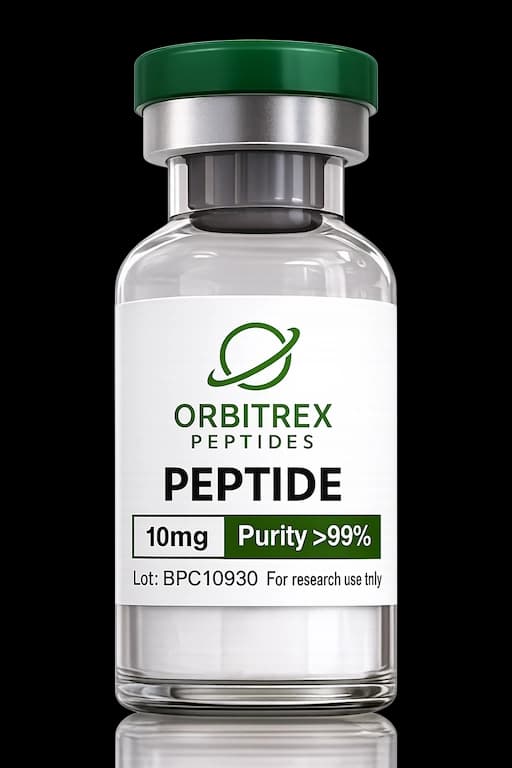
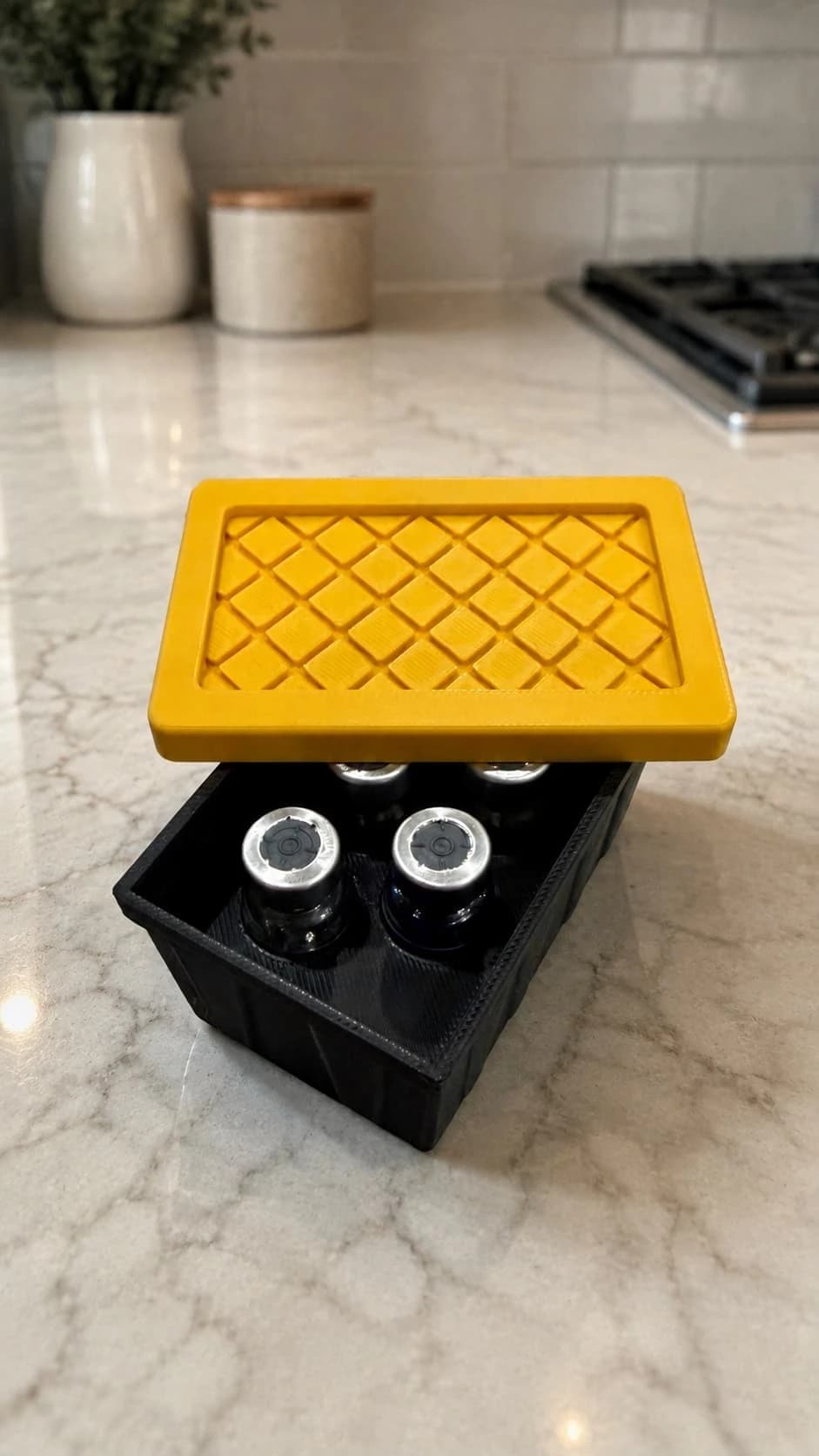
5-Vial Tote Case
At-Home Blood Test
Research Supplies
Disclosure: supply links may earn PDP a commission at no cost to you.
Peptide Vials
Based on a 5 mg vial and a 250 mcg daily draw, one vial yields about 20 doses.
| Cycle length | Planning note |
|---|---|
2-4 weeks 1 vial | 2 weeks: 10 doses needed; 4 weeks: 20 doses needed |
6-8 weeks 2 vials | 6 weeks: 30 doses needed; 8 weeks: 40 doses needed |
2-4 weeks
1 vial
2 weeks: 10 doses needed; 4 weeks: 20 doses needed
6-8 weeks
2 vials
6 weeks: 30 doses needed; 8 weeks: 40 doses needed
Insulin Syringes (U-100)
Prefer 0.3 mL / 30-unit syringes; a 250 mcg draw is only 10 units at 2.5 mg/mL.
| Cycle length | Planning note |
|---|---|
2 weeks 10 syringes | 1 per dose |
4 weeks 20 syringes | 1 per dose |
2 weeks
10 syringes
1 per dose
4 weeks
20 syringes
1 per dose
Bacteriostatic Water
Use 2 mL per 5 mg vial for reconstitution.
| Cycle length | Planning note |
|---|---|
2-4 weeks 1 x 10 mL bottle | 1 vial uses 2 mL |
2-4 weeks
1 x 10 mL bottle
1 vial uses 2 mL
Round up for priming losses, dropped syringes, and degradation. LL-37 is prone to breaking down in solution, so plan smaller reconstitutions used sooner rather than one large batch.
Companion Supplies & Routine Support
LL-37 Reconstitution Calculator

Powered by PepPal
LL-37 Reconstitution Calculator
Start with the protocol example, then customize every field.
Loaded reference
PDP community-context example
Your draw
10units
0.1 mL on a U-100 insulin syringe
- Concentration
- 2.5 mg/mL
- Target in mg
- 0.25 mg
- Math-only doses per vial
- 20
One free emailed save per person, checked by PepPal.
Educational calculation tool only. The loaded amount is a reference from this page, not a personal dose recommendation. Confirm the vial label, route, syringe type, and actual liquid added before relying on a result.
LL-37 Reconstitution Guide
Reconstitution turns the dry powder into a measurable liquid. The key math is simple: vial size divided by BAC water gives the concentration, and dose divided by concentration gives the draw volume. On a U-100 syringe, 1 mL equals 100 units.
Example: a 5 mg vial plus 2 mL of BAC water gives 2.5 mg/mL (2,500 mcg/mL). A 250 mcg dose is 0.10 mL, which is 10 units on a U-100 syringe. A 10 mg vial plus 2 mL gives 5 mg/mL, so 250 mcg becomes 0.05 mL, or 5 units.
Draw volume by dose at 2.5 mg/mL (5 mg vial + 2 mL)
Dose
100 mcg
Volume
0.04 mL
U-100 units
4 units
Dose
200 mcg
Volume
0.08 mL
U-100 units
8 units
Dose
250 mcg
Volume
0.10 mL
U-100 units
10 units
Dose
500 mcg
Volume
0.20 mL
U-100 units
20 units
| Dose | Volume | U-100 units |
|---|---|---|
| 100 mcg | 0.04 mL | 4 units |
| 200 mcg | 0.08 mL | 8 units |
| 250 mcg | 0.10 mL | 10 units |
| 500 mcg | 0.20 mL | 20 units |
Units are for standard U-100 insulin syringes. If your vial is 10 mg, halve the volume and units for the same dose.
- 01
Sanitize
Wipe the vial stopper and BAC water stopper with an alcohol swab.
- 02
Draw BAC water
Pull 2 mL of bacteriostatic water into a syringe.
- 03
Add slowly
Let the water run down the inside wall of the vial, not straight onto the powder.
- 04
Dissolve gently
Swirl, do not shake. Wait until the solution is clear.
- 05
Inspect
The solution should look clear and colorless. Discard it if it looks cloudy or has particles.
- 06
Store cold
Refrigerate the reconstituted vial and keep it out of light.
- 07
Use promptly
LL-37 degrades in solution, so use it within its refrigerated window rather than storing for weeks.
Calculator
Use a reconstitution calculator to match your exact vial size, BAC water volume, and target dose to milliliters and U-100 units.
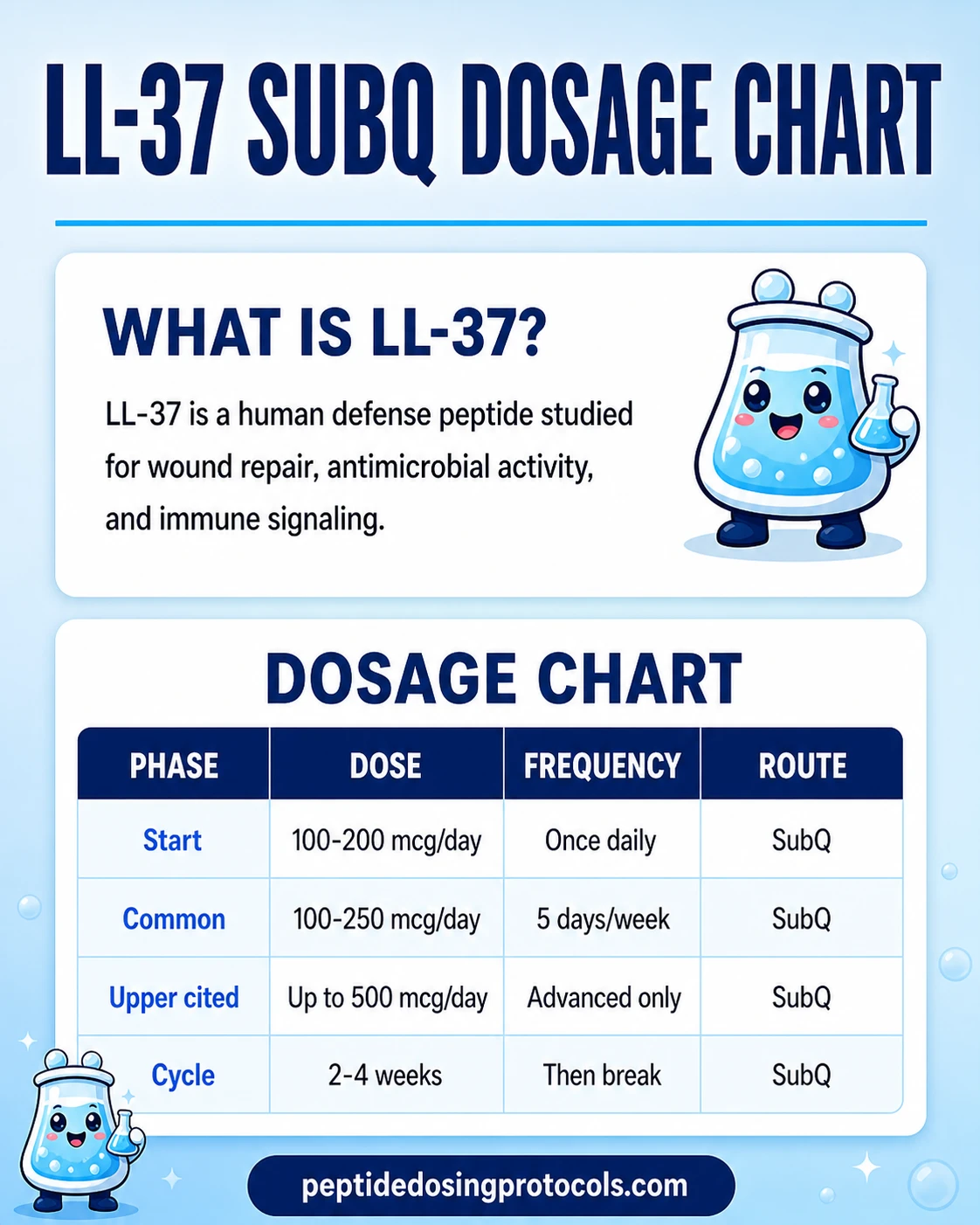
LL-37 SubQ Dosage Chart
This chart summarizes the commonly reported subQ LL-37 ranges from the dosing section above.
How LL-37 Works
In plain terms, LL-37 does two jobs. First, it pokes holes in the outer membranes of bacteria, some fungi, and some viruses, which can kill them directly. Second, it acts as a signal that calls immune cells to a site and shapes how much inflammation happens there.
The peptide carries a strong positive charge and folds into an amphipathic alpha-helix, which lets it bind negatively charged microbial membranes and disrupt them. Beyond that, it binds bacterial endotoxin (LPS), acts through receptors such as FPR2 and scavenger receptors, recruits cells, blocks biofilm formation, and supports new blood vessels and skin regrowth in wounds.
- Direct antimicrobial action through membrane disruption.
- Immune signaling via FPR2, scavenger receptors, and LPS binding.
- Wound-repair support through angiogenesis and re-epithelialization.
- A double-edged side: LL-37 can also amplify inflammation and self-nucleic-acid immune responses.
That last point matters. The same signaling that helps wounds can, in the wrong context, push inflammation. LL-37 complexed with self-DNA or self-RNA is a documented driver of immune activation in psoriasis and lupus, which is why LL-37 is not simply a 'clean' immune booster.
Who Should Be Cautious With LL-37
Because LL-37 can amplify inflammation, the literature points to a few groups that may need extra caution. This is educational context, not a medical screening tool.
- People with autoimmune or autoinflammatory conditions such as psoriasis, lupus (SLE), or rosacea, where LL-37 is implicated in disease activity.
- Anyone who is pregnant or breastfeeding — there is no safety data.
- People on medications that affect the immune system, without clinician oversight.
- Anyone with a history of strong reactions to injected peptides.
Talk to a clinician
LL-37 is not FDA-approved and has no established safety profile for injection. These cautions are drawn from mechanism and disease-association research, not from a safety label.
LL-37 Side Effects & Safety
In the topical wound trials, LL-37 was well tolerated and the studies reported it as safe when applied locally with compression therapy. That safety finding is for the gel on skin, not for daily injection.
Community and clinic reports of subcutaneous use most often describe local injection-site reactions: redness, swelling, itching, or a burning sensation. This is consistent with LL-37's biology, since it can trigger mast cells to release histamine, which produces warmth, redness, and itching near the injection site.
- Injection-site redness, swelling, burning, or itching (most common reported).
- Histamine-type flushing or warmth from mast-cell activation.
- Theoretical risk of pushing inflammation in people prone to autoimmune skin disease.
- No large human safety database exists for injected LL-37.
Slower injection and a lower starting amount are commonly suggested to reduce local reactions. Persistent or spreading reactions are a stop signal.
LL-37 Expected Timeline & Monitoring
The only human timeline data comes from the wound trials. There, twice-weekly topical LL-37 improved healing rates over a 4-week (first-in-man) and 13-week (Phase IIb) treatment window, with the strongest effect in large, long-standing ulcers.
For injectable community use, there is no validated timeline because it has not been studied in human trials. Any promised week-by-week result should be treated as unsupported. For research planning, the practical focus is monitoring the injection site, tracking skin or inflammatory changes, and stopping if reactions build.
LL-37 Clinical Evidence Context
Human evidence for LL-37 is real but narrow. Two randomized, placebo-controlled trials tested a topical LL-37 gel on hard-to-heal venous leg ulcers, both run by the developer Promore Pharma under the drug name ropocamptide.
Human LL-37 wound trials
Study
First-in-man (2014)
Design
34 patients, topical 0.5/1.6/3.2 mg/mL vs placebo, twice weekly
Key result
Healing rate ~6x placebo at 0.5 mg/mL; lowest dose worked best
Study
HEAL LL-37, Phase IIb (2021)
Design
148 patients, topical 0.5/1.6 mg/mL vs placebo, 13 weeks
Key result
Safe and well tolerated; low dose improved healing of large ulcers
| Study | Design | Key result |
|---|---|---|
| First-in-man (2014) | 34 patients, topical 0.5/1.6/3.2 mg/mL vs placebo, twice weekly | Healing rate ~6x placebo at 0.5 mg/mL; lowest dose worked best |
| HEAL LL-37, Phase IIb (2021) | 148 patients, topical 0.5/1.6 mg/mL vs placebo, 13 weeks | Safe and well tolerated; low dose improved healing of large ulcers |
Both trials were topical. Neither tested injection or any systemic use.
Everything else is preclinical or mechanistic: antimicrobial action, anti-biofilm activity, immune signaling, and disease-association work in psoriasis, lupus, and rosacea. Popular research-community claims about systemic infection control, gut health, or Lyme disease do not have human-trial support for injected LL-37.
The evidence boundary
Human proof exists for a topical wound gel at low concentration. It does not carry over to daily subcutaneous injection for immune or antimicrobial goals.
LL-37 Storage & Handling
LL-37 storage
Lyophilized powder
LL-37
-4°F (-20°C), long-term
Reconstituted liquid
LL-37
35.6-46.4°F (2-8°C), use promptly
Appearance
LL-37
Clear, colorless when mixed
| LL-37 | |
|---|---|
| Lyophilized powder | -4°F (-20°C), long-term |
| Reconstituted liquid | 35.6-46.4°F (2-8°C), use promptly |
| Appearance | Clear, colorless when mixed |
LL-37 is susceptible to proteolytic degradation in solution, so reconstituted vials should be kept cold, out of light, and used within a short window rather than stored for weeks.
LL-37 Troubleshooting
- Cloudy or particle-filled solution: discard it; do not use a solution that is not clear.
- Strong injection-site burning: this fits LL-37's mast-cell activity; slower injection and a lower amount are commonly suggested, and persistent reactions are a stop signal.
- Draw looks too large: use a smaller BAC-water volume for a more concentrated vial.
- Route confusion: the wound-healing evidence is topical, so injecting will not reproduce those trial results.
LL-37 Regulatory Status
As of July 2026, LL-37 is not FDA-approved for any indication. The synthetic drug version, ropocamptide, developed by Promore Pharma in Sweden, completed a Phase IIb topical wound-healing trial and is described by the company as being prepared for a future Phase III program. It has not received marketing authorization.
The LL-37 sold as a research peptide is a research-use-only product, not an approved medicine. It is not the same formulation as the topical drug candidate studied in trials.
LL-37 vs Nearby Peptides
In research-community discussion, LL-37 is often grouped with recovery and immune peptides, but its profile is distinct. BPC-157 and TB-500 are discussed for soft-tissue recovery and are not antimicrobial. KPV is discussed as an anti-inflammatory fragment. LL-37 is unusual because it is a direct antimicrobial and immune-signaling peptide with a genuine double edge: it can both fight microbes and amplify inflammation.
Where LL-37 sits
Peptide
LL-37
Main research framing
Host defense, wound healing, immune signaling
Antimicrobial?
Yes
Peptide
BPC-157
Main research framing
Soft-tissue recovery interest
Antimicrobial?
No
Peptide
TB-500
Main research framing
Recovery and tissue repair interest
Antimicrobial?
No
Peptide
KPV
Main research framing
Anti-inflammatory fragment interest
Antimicrobial?
No
| Peptide | Main research framing | Antimicrobial? |
|---|---|---|
| LL-37 | Host defense, wound healing, immune signaling | Yes |
| BPC-157 | Soft-tissue recovery interest | No |
| TB-500 | Recovery and tissue repair interest | No |
| KPV | Anti-inflammatory fragment interest | No |
These compounds are not interchangeable and are studied for different reasons.
FAQ
Q1: What is LL-37 peptide?
LL-37 is the only cathelicidin antimicrobial peptide made by the human body. It is a 37-amino-acid host-defense peptide cut from a precursor protein called hCAP-18. It kills microbes by disrupting their membranes and also acts as an immune signal.
Q2: What is LL-37 used for in research?
It is studied for wound healing, antimicrobial and anti-biofilm activity, and immune signaling. The strongest human evidence is for topical wound healing in venous leg ulcers. Systemic immune or infection claims for injected LL-37 do not have human-trial support.
Q3: How is LL-37 dosed?
There is no validated human injection dose. Community write-ups describe roughly 100-250 mcg per day subcutaneously, up to 500 mcg in advanced protocols, for 2-4 weeks. The human trials used a topical gel at 0.5-1.6 mg/mL twice weekly, which is a different route entirely. See the dosing section for the side-by-side subQ and topical context.
Q4: How do you reconstitute LL-37?
A common setup is a 5 mg vial plus 2 mL of bacteriostatic water, which gives 2.5 mg/mL. At that strength a 250 mcg dose is 0.10 mL, or 10 units on a U-100 syringe. Keep the mixed vial refrigerated and use it promptly because LL-37 degrades in solution.
Q5: What are the side effects of LL-37?
Reported effects are mostly local: injection-site redness, swelling, itching, or burning. LL-37 can activate mast cells and release histamine, which explains the warmth and itch. In people prone to autoimmune skin disease, there is a theoretical risk of increased inflammation.
Q6: Is LL-37 FDA-approved?
No. As of July 2026 LL-37 is not FDA-approved for any use. The topical drug version, ropocamptide from Promore Pharma, finished Phase IIb and is being prepared for Phase III, but it has not been approved or marketed.
Q7: Does injecting LL-37 give the wound-healing results from the studies?
There is no evidence that it does. Every human LL-37 trial applied a gel directly to a wound, not an injection. The healing results belong to that topical, low-concentration setup and should not be assumed to transfer to subcutaneous injection.
Q8: Can LL-37 be used for Lyme disease or chronic infections?
There is no human-trial evidence for LL-37 in Lyme disease or systemic infection. Its antimicrobial action is documented in lab and preclinical settings only. Claims about clearing chronic infection in people are not supported.
Q9: Who should be cautious with LL-37?
People with autoimmune or autoinflammatory conditions such as psoriasis, lupus, or rosacea appear in the literature as higher-risk because LL-37 is tied to those disease processes. Anyone pregnant, breastfeeding, or on immune-affecting medication should not use it without clinician oversight.
Q10: Is this page medical advice?
No. This is an educational research reference. LL-37 is not an approved medicine, and nothing here is a prescription or treatment plan. Talk to a qualified clinician before using any peptide.
Sources & Research
- 1. Gronberg A, Mahlapuu M, Stahle M, Whately-Smith C, Rollman O Treatment with LL-37 is safe and effective in enhancing healing of hard-to-heal venous leg ulcers: a randomized, placebo-controlled clinical trial. Wound Repair and Regeneration (2014)
- 2. Mahlapuu M, Bjork J, Ekblom J, et al. Evaluation of LL-37 in healing of hard-to-heal venous leg ulcers: A multicentric prospective randomized placebo-controlled clinical trial (HEAL LL-37). Wound Repair and Regeneration (Phase IIb) (2021)
- 3. Promore Pharma AB Ropocamptide (LL-37) — healing of chronic wounds, development status. Promore Pharma (developer/regulatory status) (2025)
- 4. Bandurska K, Berdowska A, Barczynska-Felusiak R, Krupa P Unique features of human cathelicidin LL-37. BioFactors (review) (2015)
- 5. Bhattacharjya S, Zhang Z, Ramamoorthy A LL-37: Structures, Antimicrobial Activity, and Influence on Amyloid-Related Diseases. Biomolecules (review) (2024)
- 6. Amagai R, Takahashi T, Terui H, et al. The Antimicrobial Peptide Cathelicidin Exerts Immunomodulatory Effects via Scavenger Receptors. International Journal of Molecular Sciences (2023)
- 7. Neshani A, et al. Antimicrobial peptides of the cathelicidin family: focus on LL-37 and its modifications. International Journal of Molecular Sciences (review) (2025)
- 8. Kahlenberg JM, Kaplan MJ (context); review authors Cathelicidin LL-37: A new important molecule in the pathophysiology of systemic lupus erythematosus. Journal of Translational Autoimmunity (review) (2020)
- 9. Niyonsaba F, Someya A, Hirata M, Ogawa H, Nagaoka I Evaluation of the effects of peptide antibiotics human beta-defensins and LL-37 on histamine release and prostaglandin D2 production from mast cells. European Journal of Immunology (2001)
- 10. Nagaoka I, et al. Antimicrobial cathelicidin peptide LL-37 inhibits LPS/ATP-induced pyroptosis of macrophages by dual mechanism. PLoS ONE / PMC (2014)
- 11. Zhang X, et al. Decoding LL-37: Structure and antimicrobial mechanisms against microbial threats. ScienceDirect (review) (2025)
Related Dosing Protocols
Educational use only
This guide is an educational research reference, not medical advice or a treatment plan. LL-37 is not FDA-approved for human use.
Calculate vial math
Use the calculator for custom vial size, BAC-water volume, and syringe-unit math.

Written by Garret Grant
Founder & Lead Researcher · B.S. Civil Engineering, UCLA
Last updated: August 2026
Human-researched and AI-assisted with full editorial review. I verify sources, protocol interpretation, and final judgments personally. See methodology.
Share this page