Research Backed Dosing DatabaseUpdated Weekly

Peptide Research Dosing & Reconstitution Protocols

An independent educational reference directory for peptide research, with dosing guides, protocol summaries, and reconstitution instructions in one place.

Browse structured research protocols, step-by-step dosing phases, half-life details, and stack guidance organized for quick review.

Protocol + Stack Directory

Browse All Research Protocols & Stacks

Alphabetized index for rapid protocol and stack discovery by compound and stack name.

Peptide Dosing Protocols is an independent, educational research database cataloging dosing schedules, reconstitution mathematics, half-life references, and stacking guidance for over 120 research peptides. Every protocol entry is structured for rapid reference, including phase-specific dosing tiers, injection frequency, vial reconstitution ratios with bacteriostatic water, and storage requirements.

Whether you're reviewing a GLP-1 metabolic protocol like retatrutide or tirzepatide, a tissue-repair compound like BPC-157 or TB-500, or a growth hormone secretagogue stack like CJC-1295 with Ipamorelin, each entry follows a standardized format designed for clarity and cross-referencing. Reconstitution math is simplified with our integrated calculator to convert vial sizes, diluent volumes, and syringe units quickly.

All protocols are compiled from published clinical trial data, peer-reviewed literature, and community research documentation. This site is strictly for educational and research reference purposes. No compounds listed are intended for human consumption. Browse the full A-Z directory below or select a featured protocol or stack to begin.

52 indexed entries
Reconstitution Lab Notes

Reconstitution Reference Guide

Understanding dilution ratios, bacteriostatic water volumes, and concentration calculations is fundamental to peptide protocol handling. Use this sequence before any comparison or dosing table review.

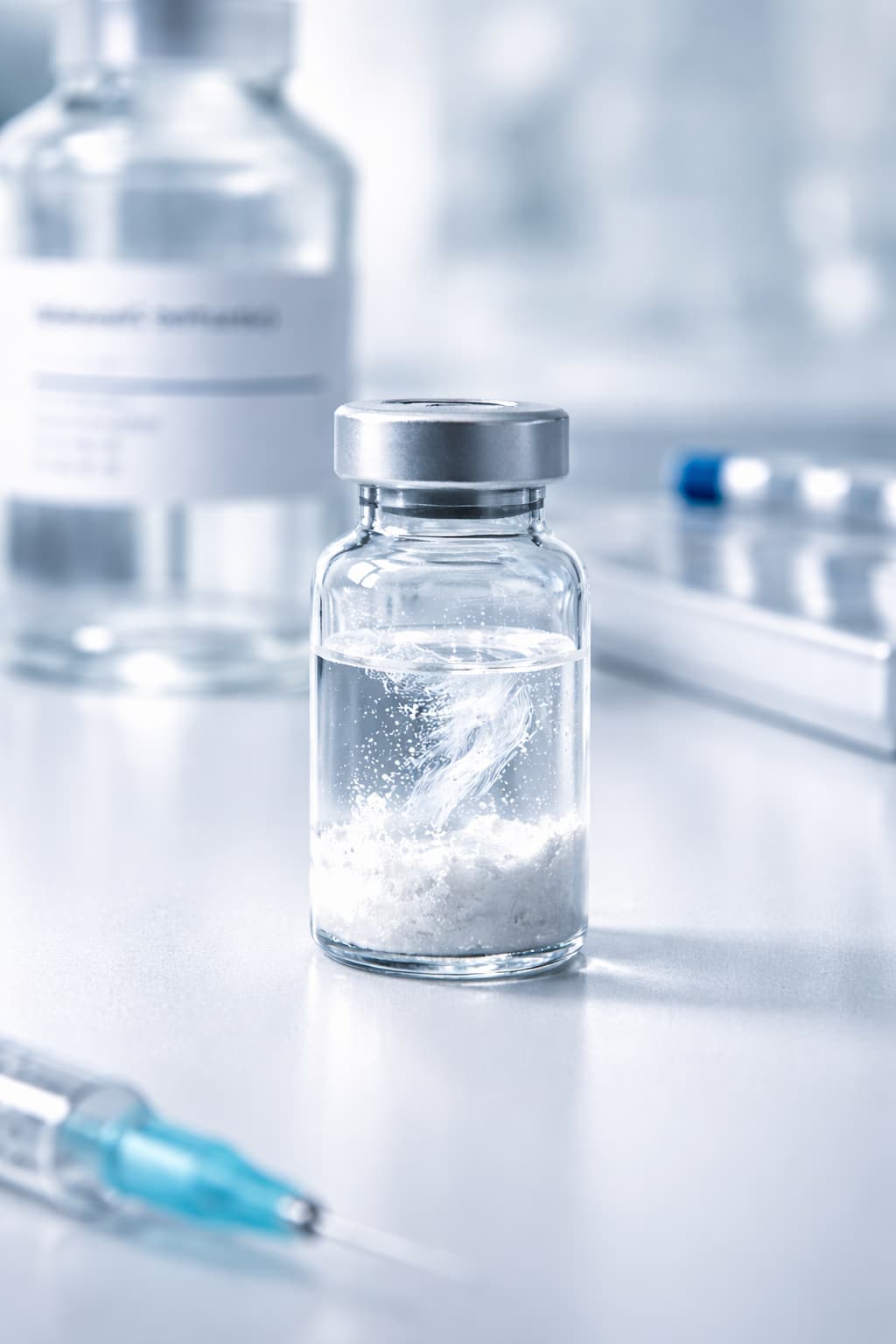
Reconstitution is the process of dissolving lyophilized (freeze-dried) peptide powder with bacteriostatic water to create an injectable solution. The concentration of the resulting solution depends on two variables: total peptide content in the vial (mg) and the volume of bacteriostatic water added (mL).

The formula is straightforward: concentration (mcg/mL) = total peptide (mcg) divided by water volume (mL). For example, a 10mg vial reconstituted with 2mL of bacteriostatic water yields 5,000 mcg/mL. At this concentration, a 250mcg dose requires drawing 0.05mL (5 units on a U-100 insulin syringe). Each protocol entry includes common vial-size references, and the calculator handles custom values instantly.

Quick Quality Checklist

Request Next Coverage

Don't see a dosing guide for your peptide or stack? Request it.

Send the compound or stack you want researched next. These requests help prioritize upcoming protocol coverage, especially for compounds that are moving from forum chatter into active research demand.

Emerging GLP-1 combinations
Lesser-known repair compounds
Custom stack demand signals

Research intake slip

Two fields only. Fast enough to submit before you lose the tab.

By submitting, you agree to receive email follow-ups and research updates related to your request.

Important Reading

Disclaimer

The information provided on this website is for educational and reference purposes only. None of the compounds discussed are intended for human consumption. This is not medical advice.

By using this site, you acknowledge these protocols are for theoretical research environments only.

FTC Affiliate Disclosure

This site contains affiliate links. We may earn a commission from vetted partners at no additional cost to you.

Editorial standards prioritize research transparency over promotion.

For Research & Educational Purposes Only

Peptide Partners