
How long is a KLOW cycle?
There is no proven KLOW cycle length
No published human or animal trial has tested the four-peptide KLOW blend and established how long a cycle should last. The cycle lengths discussed online come mainly from research-community protocols rather than controlled KLOW studies.
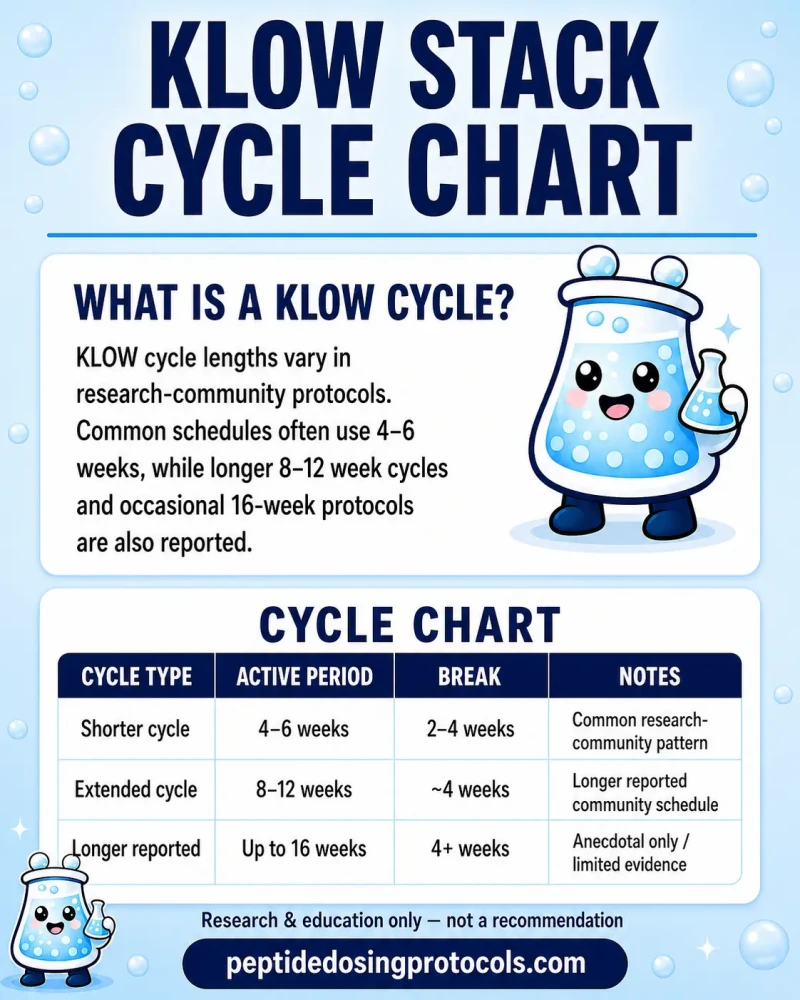
The most common KLOW research schedules describe about 4-6 weeks as a shorter cycle. 8-12 week schedules are also reported, and some community protocols extend as far as 16 weeks.
Those numbers tell us what is being discussed in the research community. They do not tell us that one schedule is safer, more effective, or better than another.
Research and education only
Peptide Dosing Protocols is not recommending a KLOW cycle. The schedules on this page are presented so researchers can compare community protocols with published research on the individual peptides. KLOW is not an FDA-approved treatment, and no KLOW cycle has been clinically validated.
For the separate questions of KLOW dose, frequency, syringe units, and reconstitution, see the KLOW dosing guide. This article stays focused on cycle length and research duration.
KLOW cycle length chart
KLOW cycle charts can be confusing because the numbers often appear without explaining where they came from. The table below separates common research-community schedules from actual clinical evidence.
KLOW cycle lengths reported in research-community protocols
These are reported research frameworks, not PDP recommendations.
Community approach
Shorter cycle
Reported duration
4-6 weeks
Reported break
2-4 weeks
Evidence level
Common research-community pattern; no KLOW trial
Community approach
Extended cycle
Reported duration
8-12 weeks
Reported break
About 4 weeks
Evidence level
Reported in community protocols; no KLOW trial
Community approach
Long extension
Reported duration
Up to 16 weeks
Reported break
4+ weeks
Evidence level
Anecdotal; very limited evidence for prolonged blend exposure
| Community approach | Reported duration | Reported break | Evidence level |
|---|---|---|---|
| Shorter cycle | 4-6 weeks | 2-4 weeks | Common research-community pattern; no KLOW trial |
| Extended cycle | 8-12 weeks | About 4 weeks | Reported in community protocols; no KLOW trial |
| Long extension | Up to 16 weeks | 4+ weeks | Anecdotal; very limited evidence for prolonged blend exposure |
These time frames describe schedules found in KLOW research discussions. They are not established medical protocols and should not be read as instructions for use.
The key point is simple: a commonly reported cycle is not the same as a research-proven cycle. No study has compared a 4-week KLOW cycle with a 6-, 8-, 12-, or 16-week cycle.
Community KLOW cycles vs. research study durations
This is one of the most important differences to understand. A KLOW community cycle describes how the four-peptide blend is discussed in research groups and protocol references. A research study duration describes how long scientists studied one peptide in a specific experiment.
Those are not the same thing. A study that follows GHK-Cu for 12 weeks does not prove that a 12-week injectable KLOW cycle is appropriate. A seven-day thymosin beta-4 animal study also does not mean KLOW should be studied for seven days.
KLOW community cycles compared with published research timelines
Source
KLOW research community
Example duration
4-6 weeks
What was studied
Four-peptide KLOW blend
What it tells us about KLOW
Commonly reported cycle structure, not a controlled study
Source
Extended KLOW community protocols
Example duration
8-12 weeks
What was studied
Four-peptide KLOW blend
What it tells us about KLOW
Shows how longer cycles are discussed, not that they are proven
Source
Longer anecdotal KLOW protocols
Example duration
Up to 16 weeks
What was studied
Four-peptide KLOW blend
What it tells us about KLOW
Anecdotal only; long-term blend data are lacking
Source
GHK-Cu research
Example duration
Up to about 12 weeks in human topical studies
What was studied
GHK-Cu used on the skin
What it tells us about KLOW
Supports GHK-Cu research, not an injectable KLOW cycle
Source
KPV research
Example duration
Days to weeks depending on the model
What was studied
Mostly cell and animal inflammation models
What it tells us about KLOW
Does not establish a KLOW cycle length
Source
BPC-157 research
Example duration
Varies widely by study
What was studied
Mostly animal studies
What it tells us about KLOW
No standard human cycle can be taken from this research
Source
Thymosin beta-4 research
Example duration
Days to weeks depending on the model
What was studied
Full-length thymosin beta-4 in many studies
What it tells us about KLOW
Does not establish a TB-500 or KLOW cycle
| Source | Example duration | What was studied | What it tells us about KLOW |
|---|---|---|---|
| KLOW research community | 4-6 weeks | Four-peptide KLOW blend | Commonly reported cycle structure, not a controlled study |
| Extended KLOW community protocols | 8-12 weeks | Four-peptide KLOW blend | Shows how longer cycles are discussed, not that they are proven |
| Longer anecdotal KLOW protocols | Up to 16 weeks | Four-peptide KLOW blend | Anecdotal only; long-term blend data are lacking |
| GHK-Cu research | Up to about 12 weeks in human topical studies | GHK-Cu used on the skin | Supports GHK-Cu research, not an injectable KLOW cycle |
| KPV research | Days to weeks depending on the model | Mostly cell and animal inflammation models | Does not establish a KLOW cycle length |
| BPC-157 research | Varies widely by study | Mostly animal studies | No standard human cycle can be taken from this research |
| Thymosin beta-4 research | Days to weeks depending on the model | Full-length thymosin beta-4 in many studies | Does not establish a TB-500 or KLOW cycle |
Study length depends on the research question, route, species, and outcome being measured. It should not be converted directly into a KLOW protocol.
Research duration is not a dosing recommendation
Published studies help us understand the individual peptides. They do not tell us how long the four peptides should be combined in KLOW. PDP includes both sets of information so the difference stays clear.
Where do KLOW cycle lengths come from?
KLOW is a newer research-community blend made from GHK-Cu, KPV, BPC-157, and TB-500. There is no published study that tested this exact four-peptide combination as a complete stack.
Because direct KLOW research is missing, most cycle schedules are built from three things: research on the individual peptides, older community protocols for related blends, and anecdotal reports from people studying KLOW.
Published component research
Studies on GHK-Cu, KPV, BPC-157, and thymosin beta-4 help explain why each peptide is being researched.
Related blend protocols
KLOW overlaps with blends such as GLOW, which also contains GHK-Cu, BPC-157, and TB-500.
Research-community schedules
The 4-6 and 8-12 week ranges mostly come from protocol-style references and community discussion.
Anecdotal reports
Longer schedules, including 12-16 week cycles, are reported online but have even less direct evidence behind them.
This is why PDP labels these schedules as community-reported research frameworks rather than proven KLOW protocols.
What does a 4-week KLOW cycle mean?
A four-week schedule is one of the shorter KLOW cycle lengths discussed in research communities. It represents about 28 days of the active research period before the cycle ends or a break begins.
There is no KLOW study showing that four weeks is an ideal stopping point. Its main difference from a longer schedule is simple: the total period of exposure is shorter.
Researchers comparing KLOW protocols may use four weeks as a useful reference point, but PDP does not recommend it as a personal protocol.
What does a 6-week KLOW cycle mean?
Six weeks sits at the upper end of the commonly reported 4-6 week KLOW cycle. Many protocol-style references pair this range with a break afterward.
The six-week number does not come from a clinical KLOW trial. It is better viewed as a community research convention that has become common as the blend has grown in popularity.
What about an 8-12 week KLOW cycle?
Eight- to 12-week KLOW cycles are also discussed. PDP classifies these as extended community protocols because they last longer than the more common 4-6 week range.
An important point is that a longer cycle does not have stronger research behind it. In fact, the longer the cycle gets, the less direct evidence we have to guide it.
There is no published study showing that eight or 12 weeks produces a better research outcome than four or six weeks. There is also no KLOW trial that establishes the long-term safety of either schedule.
Are 16-week KLOW cycles reported?
Yes. Some anecdotal KLOW protocols extend to about 16 weeks. That is worth documenting because researchers may encounter the number when comparing protocols.
However, a 16-week KLOW schedule has much weaker support than the shorter community ranges. No controlled research has tested the KLOW blend for 16 weeks or shown that this duration is appropriate.
Reported does not mean recommended
PDP includes the 16-week figure because it appears in KLOW research discussions. Its inclusion is not an endorsement. Longer KLOW cycles have not been tested in controlled studies.
How long is the break between KLOW cycles?
Community protocols commonly describe a 2-4 week break after shorter KLOW cycles. Extended schedules often describe a break of around four weeks or longer.
There is no clinical study showing that two weeks, four weeks, or any other break is the correct KLOW off period. No study has compared continuous KLOW exposure with a cycle-and-break approach.
A break can make sense in research design because it creates a clear period without exposure. Researchers can then compare what was seen during the active period with what happens afterward.
No proven KLOW off period exists
The 2-4 week off periods discussed online are community conventions. They should not be described as clinically proven recovery, detox, or copper-clearance periods.
Why does GHK-Cu matter when discussing longer KLOW cycles?
GHK-Cu is the largest part of the common KLOW blend. A typical 80 mg vial contains 50 mg GHK-Cu, along with 10 mg each of KPV, BPC-157, and TB-500.
GHK-Cu binds copper. That is part of the peptide's normal biology and one reason copper comes up when researchers discuss long or repeated KLOW cycles. GHK-Cu has been studied for decades, especially in skin and tissue models.
What has not been established is a KLOW-specific point where copper begins to build up. Research has also not shown that a two- or four-week KLOW break clears a set amount of copper from the body.
For that reason, it is more accurate to call copper a theoretical concern with prolonged exposure than to say that longer KLOW cycles are proven to cause copper buildup.
An important evidence limit
There is no validated KLOW copper threshold and no proven KLOW copper-clearance schedule. Community off periods should not be presented as a proven way to prevent copper problems.
What does the research show for each KLOW peptide?
Since there is no direct KLOW trial, the strongest evidence comes from studying each component separately. Even then, the amount and quality of research are very different from one peptide to another.
GHK-Cu
GHK-Cu has decades of laboratory research and some human topical studies. Human skin studies have followed topical copper-peptide use for periods such as 12 weeks. That supports research on topical GHK-Cu, not a 12-week injectable KLOW cycle.
KPV
KPV research is mainly based on cells and animal models of inflammation. Study lengths vary from short experiments lasting days to longer animal models. Human evidence remains limited.
BPC-157
Most published BPC-157 research is preclinical. A recent systematic review found that almost all included musculoskeletal studies were animal or laboratory studies, so there is no established human BPC-157 cycle that can be applied to KLOW.
TB-500 and thymosin beta-4
Most of the better-known research is on full-length thymosin beta-4, not the shorter TB-500 fragment used in KLOW. For example, an early wound study measured changes at days 4 and 7. Those results should not be turned into a KLOW cycle length.
The 2018 GHK-Cu review, KPV inflammation research, BPC-157 systematic review, and thymosin beta-4 wound study are useful starting points for understanding the individual compounds.
Why individual peptide studies do not prove a KLOW cycle
Putting four researched compounds into one vial does not mean the combination itself has been researched. Scientists would still need to study the exact blend to learn how the components behave together.
- No published trial has compared different KLOW cycle lengths.
- No published trial has established an ideal KLOW off period.
- No study has shown that the 50:10:10:10 ratio is the best KLOW ratio.
- No study has established the long-term safety of the four peptides used together.
- Research on full-length thymosin beta-4 should not automatically be treated as research on TB-500.
- Topical GHK-Cu studies should not be treated as injectable KLOW studies.
FDA briefing materials published for the July 2026 Pharmacy Compounding Advisory Committee review also show how large some of the evidence gaps remain for BPC-157, KPV, and TB-500. The FDA review concerns the individual substances, not the KLOW blend.
KLOW cycle length is different from KLOW dosage
Cycle length and dosage answer two different questions.
Cycle length
How long the active research period lasts, such as 4, 6, 8, or 12 weeks.
Off period
The break between research periods. No ideal KLOW off period has been established.
Dosage
The amount of the blend represented by each research exposure.
Reconstitution
How much liquid is added to the vial, which changes concentration and syringe-unit math.
Someone searching for KLOW cycle length is asking a different question from someone searching for KLOW dosage. To keep those topics clear, the full dose table, vial math, frequency, and reconstitution instructions remain in the KLOW peptide dosing guide.
A peptide tracker app can keep those calculations, schedules, and cycle notes organized in one place.
How long does one 80 mg KLOW vial last?
An 80 mg KLOW vial does not automatically equal one KLOW cycle. How long a vial lasts depends on the research setup, concentration, amount drawn, and frequency.
That makes vial duration a dosing-math question rather than a cycle-length question. The main KLOW guide covers the standard 50:10:10:10 vial, reconstitution options, syringe units, and vial planning.
Do not assume one vial equals one cycle. Different research protocols can use very different amounts of the same 80 mg vial.
KLOW Peptide Blend Supplies Needed
Capacity math only: a vial containing 3.0 mL holds 13 complete draws of 22.5 U (0.225 mL), or 20 draws of 15 U (0.15 mL), on a U-100 syringe before losses. The table uses one 0.225 mL draw per day only to explain the arithmetic in the existing examples. These are not validated doses or recommended schedules.
Research Supply Links
Choose your region
Use discount code SAVE10 at Orbitrex Peptides checkout. See why we love Orbitrex Peptides.
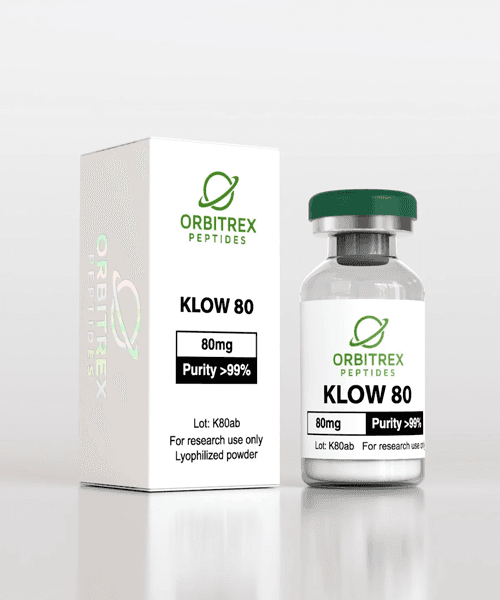
KLOW 80 Blend
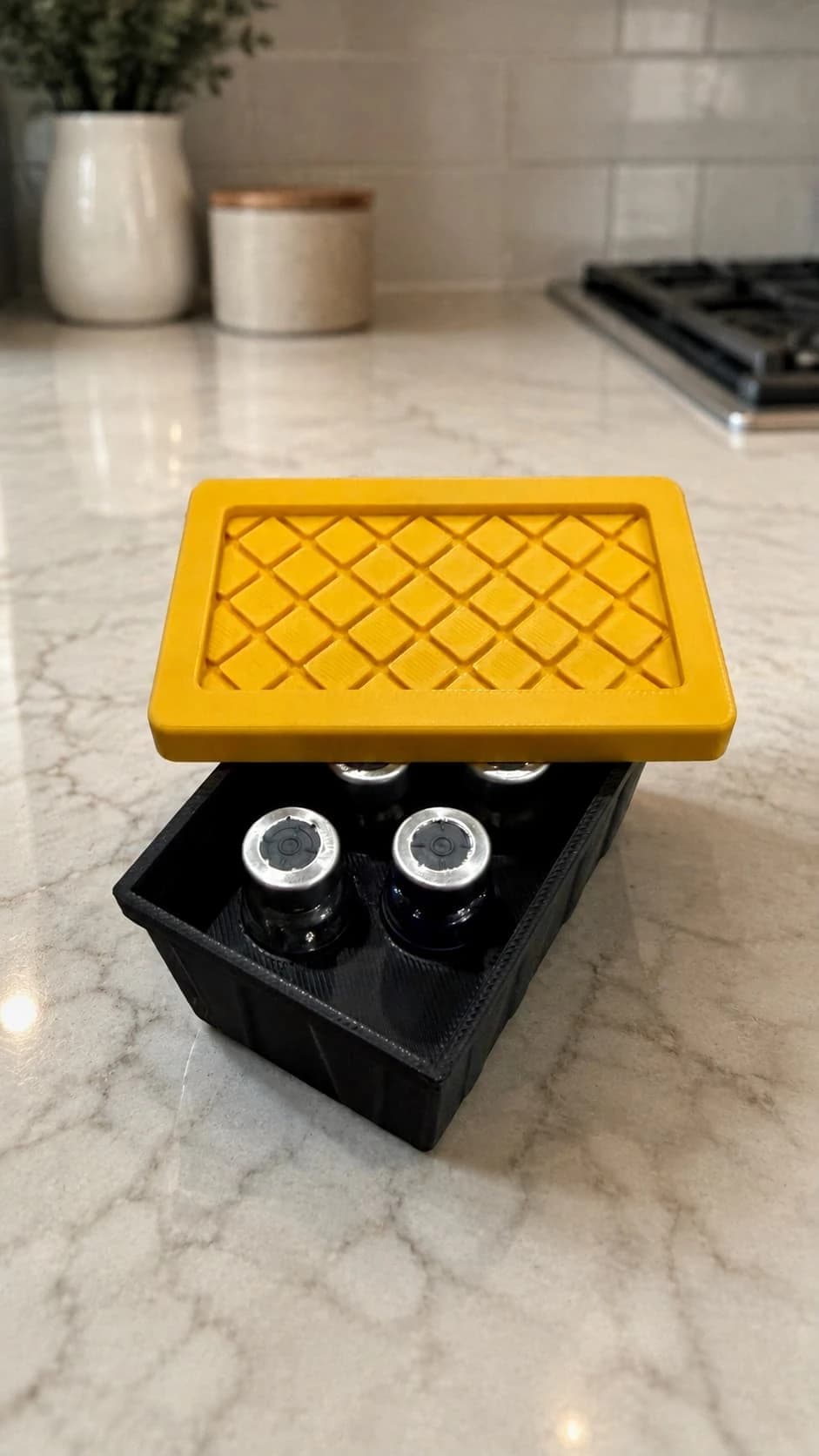
5-Vial Tote Case
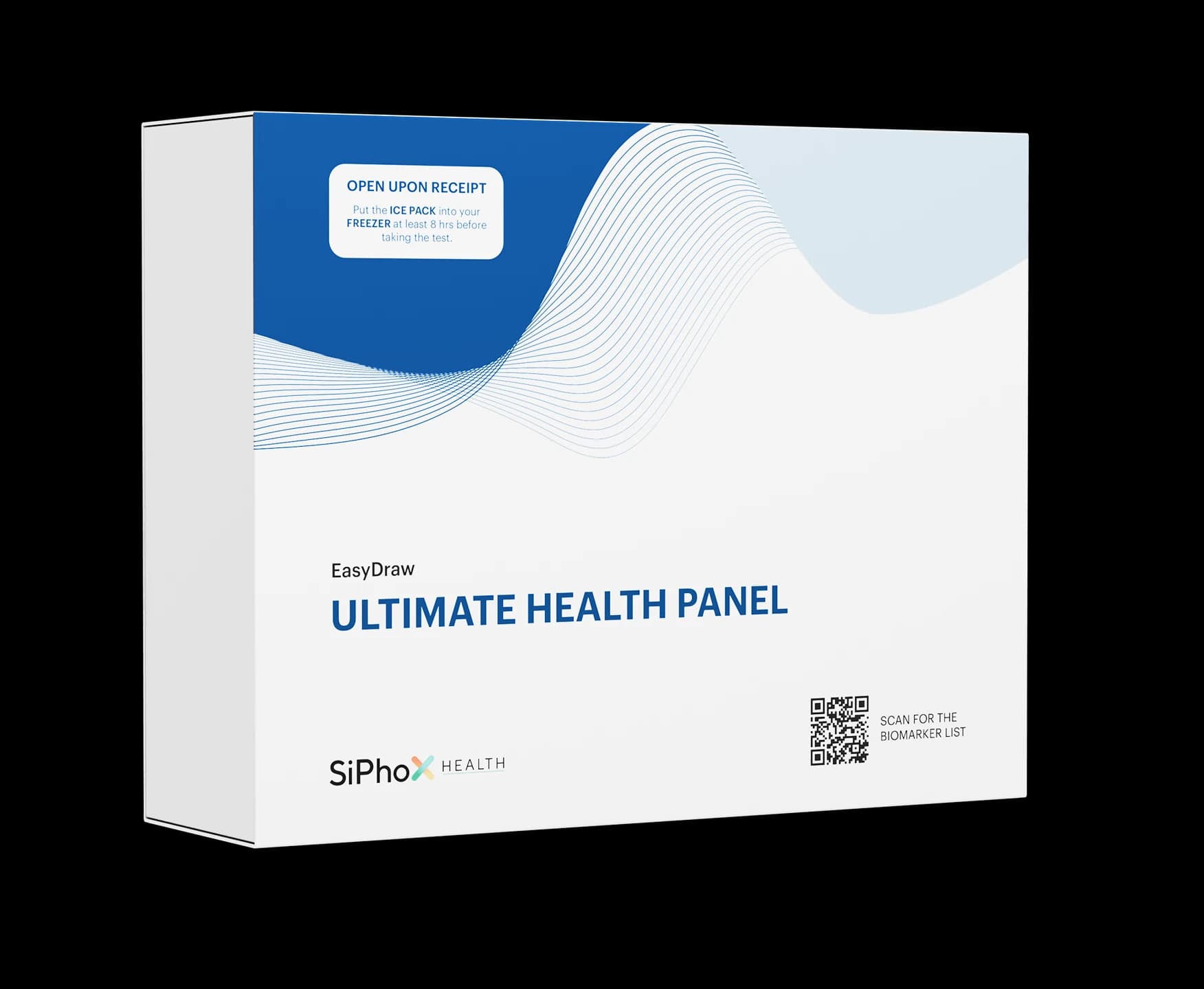
At-Home Blood Test
Research Supplies
Disclosure: supply links may earn PDP a commission at no cost to you.
Peptide Vials
80 mg KLOW blend vials (50 mg GHK-Cu + 10 mg KPV + 10 mg BPC-157 + 10 mg TB-500). Counts assume 3.0 mL per vial and 13 complete 0.225 mL draws per vial, without combining leftover liquid between vials.
| Cycle length | Planning note |
|---|---|
4 weeks 3 vials | 28 draws total 6.3 mL; one 3.0 mL vial is not enough. |
6 weeks 4 vials | 42 draws total 9.45 mL; three vials hold only 39 complete draws. |
8 weeks 5 vials | 56 draws total 12.6 mL; four vials hold only 52 complete draws. |
12 weeks 7 vials | 84 draws total 18.9 mL; six vials hold only 78 complete draws. |
4 weeks
3 vials
28 draws total 6.3 mL; one 3.0 mL vial is not enough.
6 weeks
4 vials
42 draws total 9.45 mL; three vials hold only 39 complete draws.
8 weeks
5 vials
56 draws total 12.6 mL; four vials hold only 52 complete draws.
12 weeks
7 vials
84 draws total 18.9 mL; six vials hold only 78 complete draws.
Insulin Syringes (U-100)
Counts below assume one new syringe for each draw in the arithmetic example.
| Cycle length | Planning note |
|---|---|
4 weeks 28 syringes | 1 syringe per day. |
6 weeks 42 syringes | 1 syringe per day. |
8 weeks 56 syringes | 1 syringe per day. |
12 weeks 84 syringes | 1 syringe per day. |
4 weeks
28 syringes
1 syringe per day.
6 weeks
42 syringes
1 syringe per day.
8 weeks
56 syringes
1 syringe per day.
12 weeks
84 syringes
1 syringe per day.
Bacteriostatic Water
Volume-only arithmetic at the existing 3.0 mL-per-vial assumption; this does not establish preparation or storage instructions.
| Cycle length | Planning note |
|---|---|
4 weeks 1 x 10 mL bottle | 3 vials total 9 mL before handling losses. |
6-8 weeks 2 x 10 mL bottles | 6 weeks: 4 vials total 12 mL before handling losses.; 8 weeks: 5 vials total 15 mL before handling losses. |
12 weeks 3 x 10 mL bottles | 7 vials total 21 mL before handling losses. |
4 weeks
1 x 10 mL bottle
3 vials total 9 mL before handling losses.
6-8 weeks
2 x 10 mL bottles
6 weeks: 4 vials total 12 mL before handling losses.; 8 weeks: 5 vials total 15 mL before handling losses.
12 weeks
3 x 10 mL bottles
7 vials total 21 mL before handling losses.
These are theoretical capacity counts, not a supply prescription or proof that a KLOW schedule is safe. Handling losses can reduce usable volume. Bottle counts compare total volume only; they do not establish sterility or how long an opened or mixed product can be stored.
Companion Supplies & Routine Support
How long does KLOW take to show research effects?
There is no published KLOW study that establishes when the blend begins to produce measurable effects. Any exact claim such as 'KLOW works in two weeks' or 'results start at week four' goes beyond the evidence we currently have.
Individual peptide studies do report changes at different times. For example, an animal study of full-length thymosin beta-4 found differences in wound repair within the first week. Human topical GHK-Cu research has looked at changes over much longer periods.
These studies answer different research questions. They use different peptides, routes, models, and outcomes. Their timelines cannot be combined into one KLOW results timeline.
KLOW results timeline: not established
Community reports may describe changes over several weeks, but those reports are not controlled KLOW studies. PDP treats them as anecdotal information rather than proof of when KLOW starts working.
What changes as a KLOW cycle gets longer?
The longer a KLOW research period becomes, the more total exposure there is to all four peptides. At the same time, direct research on the blend does not become stronger.
That is the main problem with very long KLOW cycles: the longer the cycle gets, the less research we have to guide it.
KPV has limited long-term data
Most KPV evidence comes from laboratory and animal research rather than long-term human studies.
BPC-157 human evidence is limited
Most BPC-157 studies included in recent reviews are preclinical.
TB-500 has major evidence gaps
Much of the research commonly linked to TB-500 actually studies full-length thymosin beta-4.
GHK-Cu research depends on the route
GHK-Cu has more human research than several other KLOW components, but much of it is topical rather than injectable.
The four-peptide blend adds another unknown
Even if each peptide were well understood on its own, that would not prove how all four behave when used together.
Longer is not better studied
An 8-, 12-, or 16-week KLOW schedule should not be treated as a more advanced or better-supported protocol. Longer community schedules simply extend exposure further into an area where direct KLOW research is missing.
How to read KLOW cycle information responsibly
The easiest way to make sense of KLOW cycle information is to ask where each number came from.
- First, check whether the number comes from a KLOW study or from a community protocol.
- Next, check whether the research used the full KLOW blend or only one ingredient.
- Look at the route. Topical GHK-Cu research is not the same as injectable blend research.
- Check whether TB-500 is actually being studied or whether the paper used full-length thymosin beta-4.
- Treat anecdotal schedules as reports of what people are studying, not proof of an ideal cycle.
Using that approach, the current picture is fairly clear. 4-6 weeks is a common shorter community KLOW cycle. 8-12 weeks is a commonly discussed extended range. Up to 16 weeks appears anecdotally. None of these durations has been proven to be the ideal KLOW cycle.
PDP publishes these numbers to document and compare research protocols. We are not recommending that readers follow any of them.
KLOW Cycle Length FAQ
Q1: How long is a KLOW cycle?
There is no clinically established KLOW cycle length. Research-community protocols commonly describe 4-6 week cycles, while 8-12 week schedules are also reported. PDP presents these ranges for educational comparison, not as recommendations.
Q2: What is the typical KLOW peptide cycle length?
Four to six weeks is one of the most common KLOW cycle ranges discussed in research communities. It is a community-reported framework rather than a cycle established by a controlled KLOW study.
Q3: Can a KLOW cycle last 8 weeks?
Eight-week KLOW cycles are reported in community protocols. No controlled study has shown that eight weeks is an ideal or proven KLOW cycle length.
Q4: Can a KLOW cycle last 12 weeks?
Twelve-week KLOW cycles are discussed as extended research-community protocols. There is no published KLOW trial that validates a 12-week schedule.
Q5: Are 16-week KLOW cycles used?
Some anecdotal KLOW protocols extend to about 16 weeks. PDP includes this because researchers may encounter the schedule, but there is no controlled evidence supporting a 16-week KLOW cycle.
Q6: How long should the break be between KLOW cycles?
No ideal KLOW off period has been established. Community protocols often describe 2-4 week breaks after shorter cycles and around four weeks or longer after extended cycles.
Q7: Does KLOW need to be cycled?
No study has compared continuous KLOW exposure with a cycle-and-break approach. Cycling is a research-community convention rather than a proven requirement.
Q8: Why do KLOW protocols include an off period?
Off periods are commonly included to separate research periods and limit continuous exposure. Copper from the GHK-Cu component is also discussed as a reason for breaks, but no KLOW study has established a proven copper-clearance period.
Q9: Does GHK-Cu cause copper buildup during a KLOW cycle?
GHK-Cu carries copper, so prolonged exposure is a reasonable research concern. However, no study has established a KLOW-specific copper buildup threshold or shown that a certain cycle length causes copper accumulation.
Q10: Are KLOW community cycles the same as research study durations?
No. Community cycles describe how the four-peptide KLOW blend is discussed in research protocols. Published study durations usually involve one peptide, a different route, and a specific laboratory or animal model.
Q11: Was GHK-Cu studied for 12 weeks?
Some human topical GHK-Cu research has used study periods around 12 weeks. That does not establish a 12-week injectable KLOW cycle because the route and formulation are different.
Q12: How long does one 80 mg KLOW vial last?
There is no fixed vial duration. It depends on the concentration, amount drawn, and research schedule. The main KLOW dosing guide covers the vial and syringe-unit math.
Q13: How long does KLOW take to work?
No controlled study has established a KLOW results timeline. Studies on the individual peptides use different models and timelines, so they cannot be combined into a reliable onset time for KLOW.
Q14: Does KLOW cycle length change the dosage?
Cycle length and dosage are separate variables. Cycle length describes how long the research period lasts, while dosage describes the amount used during each research exposure.
Q15: Is there a clinical KLOW cycle protocol?
No published clinical study has established a cycle protocol for the four-peptide KLOW blend. Current schedules come mainly from research-community protocols and information drawn from the individual components.
Q16: Does PDP recommend a KLOW cycle?
No. Peptide Dosing Protocols documents KLOW cycle information for research and educational comparison only. The schedules on this page are not recommendations for human use.
References
- 1. Pickart L, Margolina A Regenerative and Protective Actions of the GHK-Cu Peptide in the Light of the New Gene Data International Journal of Molecular Sciences (2018)
- 2. Pickart L, Vasquez-Soltero JM, Margolina A GHK Peptide as a Natural Modulator of Multiple Cellular Pathways in Skin Regeneration BioMed Research International (2015)
- 3. Dalmasso G, Charrier-Hisamuddin L, Nguyen HT, Yan Y, Sitaraman S, Merlin D PepT1-Mediated Tripeptide KPV Uptake Reduces Intestinal Inflammation Gastroenterology (2008)
- 4. Kannengiesser K, Maaser C, Heidemann J, Luegering A, Ross M, Brzoska T, Böhm M, Luger TA, Domschke W, Kucharzik T Melanocortin-Derived Tripeptide KPV Has Anti-Inflammatory Potential in Murine Models of Inflammatory Bowel Disease Inflammatory Bowel Diseases (2008)
- 5. Vasireddi N, Hahamyan H, Salata MJ, Karns M, Calcei JG, Voos JE, Apostolakos JM Emerging Use of BPC-157 in Orthopaedic Sports Medicine: A Systematic Review HSS Journal (2025)
- 6. McGuire FP, Martinez R, Lenz A, Skinner L, Cushman DM Regeneration or Risk? A Narrative Review of BPC-157 for Musculoskeletal Healing Current Reviews in Musculoskeletal Medicine (2025)
- 7. Malinda KM, Sidhu GS, Mani H, Banaudha K, Maheshwari RK, Goldstein AL, Kleinman HK Thymosin Beta4 Accelerates Wound Healing Journal of Investigative Dermatology (1999)
- 8. U.S. Food and Drug Administration July 23-24, 2026 Meeting of the Pharmacy Compounding Advisory Committee U.S. Food and Drug Administration (2026)
Related Dosing Protocols
Educational and research use only
Peptide Dosing Protocols is an independent educational research reference. The cycle lengths and schedules discussed here describe published research or community-reported research protocols. They are not recommendations for human use, medical advice, or instructions to begin a KLOW cycle. KLOW has not been approved by the FDA as a treatment, and no clinical study has established an ideal KLOW cycle.
Researching the KLOW dose and reconstitution math?
The main KLOW guide covers the 80 mg 50:10:10:10 blend, reconstitution, syringe-unit math, frequency, and component breakdown. Those values are presented as research references, not personal dosing recommendations.

Written by Garret Grant
Founder & Lead Researcher · B.S. Civil Engineering, UCLA
Last updated: October 2026
Human-researched and AI-assisted with full editorial review. I verify sources, protocol interpretation, and final judgments personally. See methodology.
Share this page