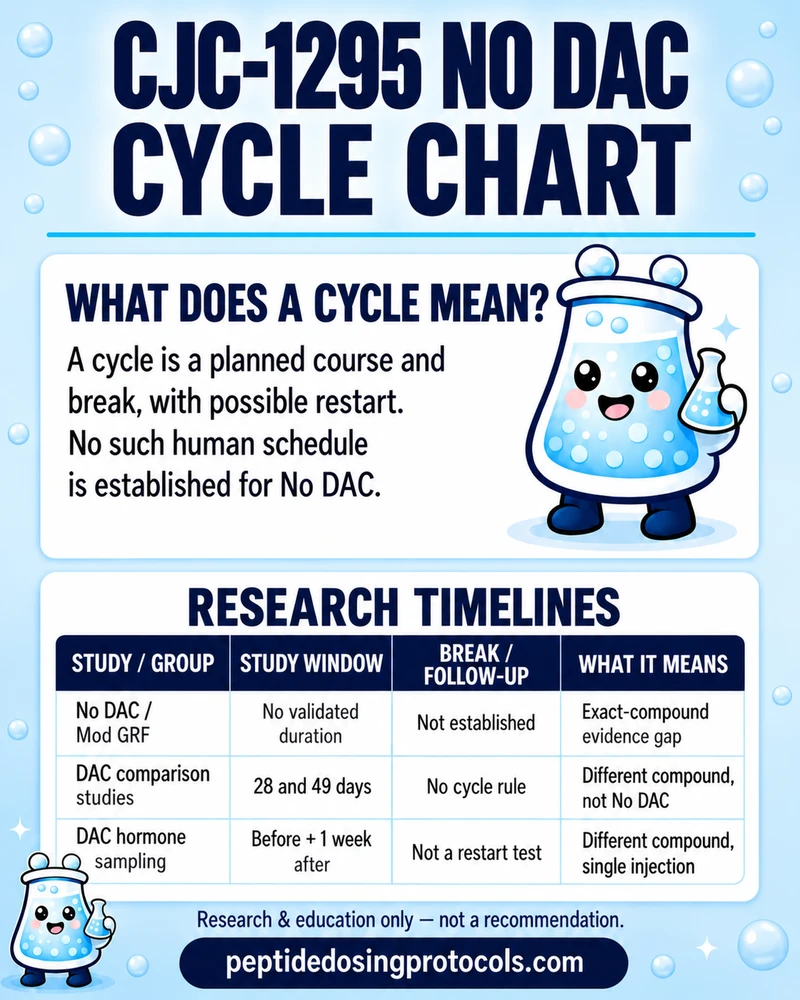
How Long Is a CJC-1295 No DAC Cycle?
There is no evidence-based week count for a routine CJC-1295 No DAC cycle in the research reviewed here. A cycle usually means a planned course followed by time off and perhaps another course. To validate that pattern, a study would need to test the exact compound and follow both the active period and what happens after stopping.
That is a different question from whether a related peptide changes a hormone level. It is also different from how long a vial lasts or when a person notices a change in sleep. Each question needs its own evidence. Combining several incomplete answers does not create a tested schedule.
The useful answer
Neither an eight-week course nor a twelve-week course is established for No DAC by the cited trials. There is also no validated break to put after either number. A precise calendar can be easy to follow while its medical basis remains uncertain.
No DAC, Mod GRF 1-29, and DAC Are Not One Product
The name CJC-1295 is used loosely online. No DAC usually refers to modified GRF 1-29, a modified fragment of growth hormone-releasing hormone, or GHRH. The long-acting CJC-1295 studied in people includes an extra part that binds to albumin, a blood protein. That albumin-binding part is called DAC.
The original development paper describes albumin-linked compounds, tests in rat pituitary cells, and experiments in rats. It explains the design of long-acting CJC-1295. It does not report a multiweek human No-DAC course. A shared starting structure is not enough to make the finished products interchangeable.
Keep these identities separate
Name on a page or label
CJC-1295 No DAC / Mod GRF 1-29
What needs checking
Exact peptide identity and whether it is a single compound
What cannot be assumed
That DAC clinical results apply
Name on a page or label
CJC-1295 with DAC
What needs checking
Albumin-binding version and exact formulation
What cannot be assumed
That its timing fits No DAC
Name on a page or label
CJC-1295 + ipamorelin
What needs checking
Both ingredients and their individual amounts
What cannot be assumed
That either single-compound study validates the blend
Name on a page or label
CJC-1295, without any qualifier
What needs checking
Clarification from the source
What cannot be assumed
That the name alone settles which molecule was used
| Name on a page or label | What needs checking | What cannot be assumed |
|---|---|---|
| CJC-1295 No DAC / Mod GRF 1-29 | Exact peptide identity and whether it is a single compound | That DAC clinical results apply |
| CJC-1295 with DAC | Albumin-binding version and exact formulation | That its timing fits No DAC |
| CJC-1295 + ipamorelin | Both ingredients and their individual amounts | That either single-compound study validates the blend |
| CJC-1295, without any qualifier | Clarification from the source | That the name alone settles which molecule was used |
The No-DAC protocol background explains terminology and calculation examples. Examples on a protocol page do not become clinical evidence for a cycle simply because the arithmetic is consistent.
Community Reports: Untested Cycle Lengths
Anecdotes do not establish a cycle
Online course lengths and breaks are not clinically established recommendations. Product identity, purity, route, other compounds, outcomes, and side effects are often unclear. A posted plan is not a completed result, and a few comments cannot show community consensus.
Original Reddit discussions and searches for independent firsthand reports were reviewed on October 15, 2026. No suitable, clearly documented completed report of standalone, route-confirmed No-DAC use was verified for a cycle comparison. Many results concerned CJC/ipamorelin blends or switched between DAC and No DAC.
For example, a firsthand comment in a DAC-versus-No-DAC discussion describes eight- to ten-week courses of No DAC with ipamorelin, used off and on over several years. The writer describes some benefit, but not a dramatic result, and later changed to other compounds because of the burden of frequent injections. The parent post includes commercial links. This is a mixed-product account, not evidence for No DAC alone.
That account does not give a verified off-period or a controlled comparison of repeat courses. It cannot show which ingredient caused a change or what happened to people who stopped posting. The duration is included to explain the claim readers may encounter, not to turn it into a schedule or a shopping quantity.
What Did the Familiar Human CJC-1295 Studies Test?
The Teichman study reported two trials lasting 28 and 49 days in healthy adults. They tested long-acting CJC-1295, with single exposure in one study and two or three administrations in the other. The study measured drug levels, growth hormone, and IGF-1, a hormone linked to growth hormone.
Comparison evidence, not No-DAC study periods
Every human research row below used the DAC compound.
Research
Teichman: single-exposure trial
Timeline
28-day study window
Meaning for this guide
Not 28 days of daily No-DAC treatment
Research
Teichman: repeat-exposure trial
Timeline
49-day study window
Meaning for this guide
Not a seven-week No-DAC course
Research
Ionescu: hormone-pattern study
Timeline
Overnight sampling before and one week after an injection
Meaning for this guide
A later measurement, not a one-week-on/one-week-off cycle
Research
Direct No-DAC cycle comparison
Timeline
None verified in the reviewed evidence
Meaning for this guide
No supported active period or break to copy
| Research | Timeline | Meaning for this guide |
|---|---|---|
| Teichman: single-exposure trial | 28-day study window | Not 28 days of daily No-DAC treatment |
| Teichman: repeat-exposure trial | 49-day study window | Not a seven-week No-DAC course |
| Ionescu: hormone-pattern study | Overnight sampling before and one week after an injection | A later measurement, not a one-week-on/one-week-off cycle |
| Direct No-DAC cycle comparison | None verified in the reviewed evidence | No supported active period or break to copy |
The Ionescu and Frohman study found that growth hormone still rose and fell in pulses during long-acting stimulation. It did not compare DAC with No DAC. It therefore cannot support a claim that No DAC alone preserves normal pulses, produces better sleep, or needs a particular break.
CJC-1295 No DAC Cycle Supplies Needed
No validated human No-DAC schedule supports a vial, diluent, or syringe count. The exact-compound card is a research catalog listing, not a pharmacy medicine. The DailyPrintz case, SiPhox test and blood-work guide, and Amazon supplies are optional shopping resources. A clinician decides which tests, if any, are appropriate. A commercial panel cannot prove an untested course safe, and a case or mini fridge does not guarantee the required storage temperature. An optional Beyond Whoosh service card may also appear for a CJC-1295/ipamorelin blend. It is not the single-compound No-DAC material discussed here and has no established cycle from these studies.
Research Supplies
Choose your region
Use discount code PEPPAL at Peptide Partners checkout. See why we love Peptide Partners.
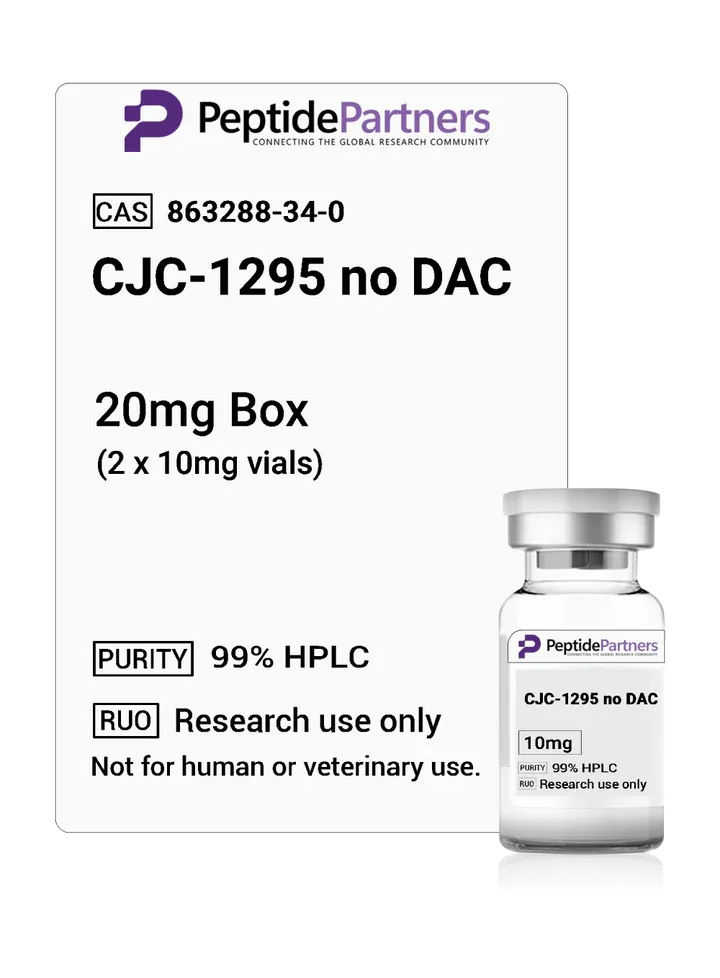
CJC-1295 no DAC (10mg vials)
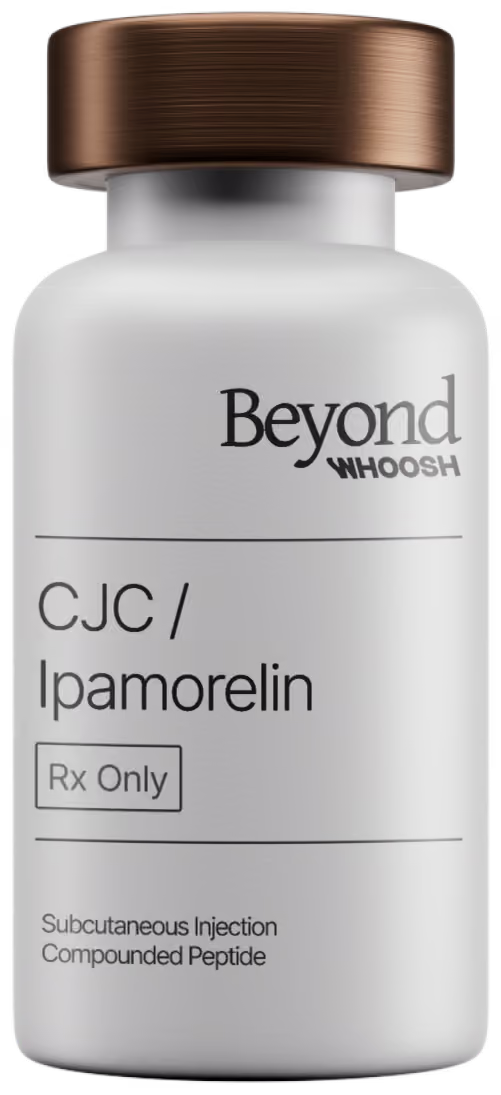
Pharmacy Grade CJC-1295 / Ipamorelin
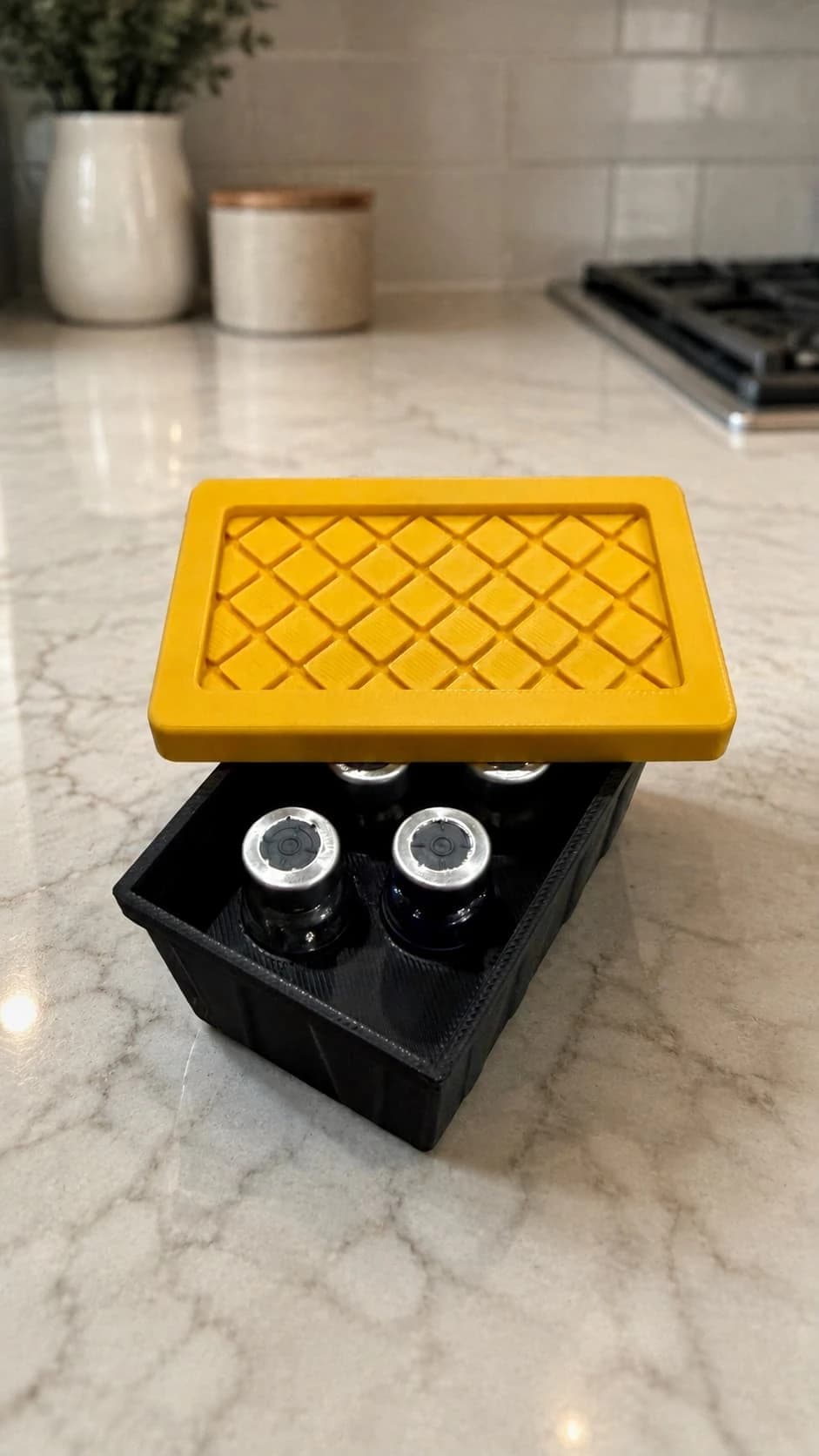
5-Vial Tote Case
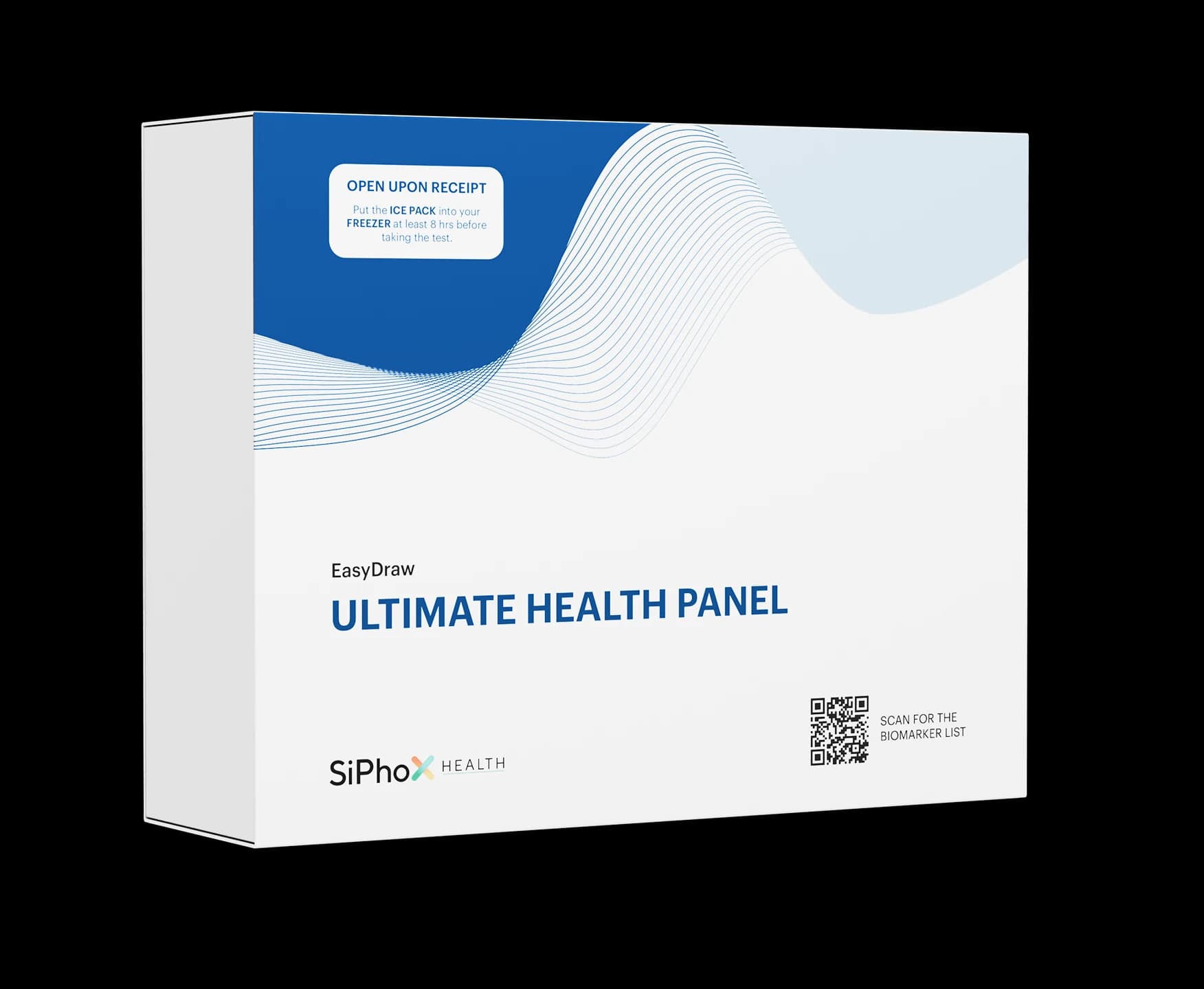
At-Home Blood Test
Research Supplies
Disclosure: supply links may earn PDP a commission at no cost to you.
Exact compound and quantity
| Supply check | What it means |
|---|---|
Single-compound identity Confirm No DAC | Check that the listing is Mod GRF 1-29 without DAC and without ipamorelin or other added compounds. A matching name does not prove that the material matches a clinical product. |
Vials and supplies No established count | An eight- or twelve-week claim cannot determine vial, diluent, or syringe needs. No quantities are derived from community reports or DAC study windows. |
Single-compound identity
Confirm No DAC
Check that the listing is Mod GRF 1-29 without DAC and without ipamorelin or other added compounds. A matching name does not prove that the material matches a clinical product.
Vials and supplies
No established count
An eight- or twelve-week claim cannot determine vial, diluent, or syringe needs. No quantities are derived from community reports or DAC study windows.
Handling, storage, and records
| Supply check | What it means |
|---|---|
Product instructions Exact-product data | Verify formulation, container, storage, stability, and discard information. Adding bacteriostatic water does not create a known usable life or make a research material a medicine. |
Testing and accessories Optional resources | Record the product identity and relevant dates. Clinical testing and device choices need a defined purpose; buying a kit or case does not establish a safe regimen. |
Product instructions
Exact-product data
Verify formulation, container, storage, stability, and discard information. Adding bacteriostatic water does not create a known usable life or make a research material a medicine.
Testing and accessories
Optional resources
Record the product identity and relevant dates. Clinical testing and device choices need a defined purpose; buying a kit or case does not establish a safe regimen.
Supply arithmetic answers how much material a chosen assumption uses. It cannot choose or validate that assumption, establish sterility, or set a restart date.
Companion Supplies & Routine Support
Why Study Length Is Not Time on a Cycle
A trial can include screening, treatment, blood sampling, and later safety checks. Only some of those days may involve giving the study compound. Calling the entire window an active course hides what actually happened. This is especially misleading when a long-lasting compound was given only a few times.
The difference matters even before comparing DAC with No DAC. Twenty-eight days of observation after one exposure is not the same experiment as giving something daily for 28 days. Neither tells us what happens after several rounds of stopping and restarting.
A later paper can also reuse earlier samples. The 2009 serum-protein study examined protein patterns associated with long-acting CJC-1295 exposure. Its later publication date is not evidence that people received years of additional treatment. Count exposure and participants, not just the number of papers.
Are Eight- or Twelve-Week Courses Better Supported?
Neither duration is established as a standard for standalone No DAC. Choosing between them would require evidence that compares useful outcomes and harms under those actual conditions. A longer course is not automatically better, and a shorter course is not automatically safe.
The same problem applies to claims about when results begin. Better sleep, faster recovery, muscle gain, and fat loss are separate outcomes. A hormone measurement cannot tell us when all of them appear, whether they occur at all, or how large a change matters in daily life.
- Check whether the claim names a No-DAC study rather than a DAC paper.
- Check whether the reported result was a blood marker or a benefit the person could measure.
- Check for changes in food intake, training, sleep, or other drugs during the same period.
- Look for a comparison group and follow-up after treatment, rather than only a before-and-after photo.
Do Weekend Breaks or Four Weeks Off Reset Sensitivity?
A receptor is a cell's docking site for a signal. Desensitization means the response to repeated stimulation becomes weaker. That is a possible research question, not proof that a chosen break restores the response. No verified human No-DAC trial here compared weekend gaps, a four-week break, or another reset plan.
To test a reset claim, researchers would need to measure a response before the break and after restarting, while keeping other factors comparable. Feeling less of an effect is not the same measurement. Nor does a strong feeling after restarting establish better results or lower risk.
Time off is not a safety guarantee
An interruption for side effects, lack of benefit, or access problems is not a validated off-cycle phase. There is no evidence-based missed-dose, catch-up, taper, or restart rule supplied by these studies for No DAC.
Can Half-Life or Blood Tests Set the Cycle?
Half-life is the time for a measured drug level to fall by half. It is not the time until all effects end or a person becomes ready for another course. The often-cited multiday CJC-1295 half-life belongs to the DAC research. It cannot be assigned to No DAC.
No precise human No-DAC half-life is established by those papers. Even if that number were known, multiplying it would not establish recovery of every hormone pathway or a safe repeat schedule. Drug levels, hormone signals, symptoms, and lasting outcomes are different things.
If a clinician considers blood testing useful, they need to know the question, the exact product, other medicines, and when exposure occurred. A normal result does not validate a research product. A high or low marker also does not provide a self-directed reason to add more, extend use, or restart.
What Safety Limits Matter Before Any Cycle Claim?
The FDA's CJC-1295 review separates DAC and non-DAC substances and highlights limited safety information, unclear product identity, and concerns about immune reactions. The human clinical data it discusses largely concern DAC. They do not give a reliable No-DAC side-effect rate or establish long-term safety.
An immune reaction means the body's defenses react to a substance. Peptide clumps or impurities can affect that risk. A purity result answers only the tests that were performed; it does not by itself prove sterility (freedom from contaminating germs), correct strength, stability after mixing, or suitability for human use. The FDA explains these differences for compounded drugs. Research vials are a further distinct category.
There is no approved No-DAC label that supplies a complete personal screening plan. Medical history, unexplained symptoms, pregnancy, and other medicines need professional assessment. Having no immediate symptoms does not settle long-term risk. A planned end date is not a reason to wait when new problems appear.
Seek care for serious symptoms
Trouble breathing, fainting, chest pain, or swelling of the face or throat needs urgent medical care. New or persistent symptoms need clinical review rather than a calendar-based restart or a larger amount.
What Evidence Would Establish a Useful Duration?
A useful study would name the exact No-DAC material, confirm its quality, and use a defined route in a defined group of people. It would measure meaningful benefits as well as harms. If the goal were to test cycling, it would compare the proposed breaks and follow repeated exposure.
Until then, the most practical questions are straightforward: What problem is being addressed? Is there an established treatment for it? What evidence applies to this exact product? What would lead a clinician to change the plan? These questions are more useful than choosing a course because a chart contains a familiar number of weeks.
CJC-1295 No DAC Cycle FAQs
Q1: Is eight weeks a proven CJC-1295 No DAC cycle?
No. The reviewed evidence does not establish eight weeks, twelve weeks, or another standard No-DAC course. Reports using ipamorelin as well do not answer the standalone question.
Q2: Do the 28- and 49-day studies support a four- to seven-week course?
No. Those study windows belong to long-acting CJC-1295 with DAC. They also include observation after limited administrations, not daily No-DAC use for the full window.
Q3: Does No DAC mean the same thing as Mod GRF 1-29?
That is the usual catalog terminology. Still confirm the exact identity and whether other compounds are included. A product called only CJC-1295 is not specific enough to match it to a study.
Q4: Is a short half-life a reason to use it without breaks?
No. Clearance of a compound and the effects of repeated use are different questions. A short-acting label does not establish long-term safety or show that a break is unnecessary.
Q5: Does four weeks off reset the receptors?
No verified human No-DAC study here establishes that reset period. A return of a symptom or blood marker toward its starting value is not proof that another course will be safe or effective.
Q6: Can a normal IGF-1 test make a cycle safe?
No. IGF-1 is one hormone marker. A normal result cannot establish product quality, rule out all risks, or validate a duration. A clinician should decide whether testing is useful and what to do with the result.
Q7: How many vials are needed for a No-DAC cycle?
No evidence-based count is established because there is no validated human schedule. Pack size, concentration math, and community durations cannot supply a recommended quantity or a safe opened-vial lifetime.
Q8: Can I use the same cycle for a CJC/ipamorelin blend?
A blend needs its own evidence. Adding another active compound changes the question even if the No-DAC ingredient is identical. Neither a single-compound study nor a mixed online report establishes the combination's best duration.
Sources & Research
- 1. Jetté L, Léger R, Thibaudeau K, et al. Human growth hormone-releasing factor (hGRF)1-29-albumin bioconjugates activate the GRF receptor on the anterior pituitary in rats: identification of CJC-1295 as a long-lasting GRF analog Endocrinology (2005)
- 2. Teichman SL, Neale A, Lawrence B, et al. Prolonged stimulation of growth hormone (GH) and insulin-like growth factor I secretion by CJC-1295, a long-acting analog of GH-releasing hormone, in healthy adults Journal of Clinical Endocrinology & Metabolism (2006)
- 3. Ionescu M, Frohman LA Pulsatile secretion of growth hormone (GH) persists during continuous stimulation by CJC-1295, a long-acting GH-releasing hormone analog Journal of Clinical Endocrinology & Metabolism (2006)
- 4. Sackmann-Sala L, Ding J, Frohman LA, Kopchick JJ Activation of the GH/IGF-1 axis by CJC-1295, a long-acting GHRH analog, results in serum protein profile changes in normal adult subjects Growth Hormone & IGF Research (2009)
- 5. U.S. Food and Drug Administration December 4, 2024 Pharmacy Compounding Advisory Committee: CJC-1295-related bulk drug substances FDA meeting presentations (2024)
- 6. U.S. Food and Drug Administration Understanding the Risks of Compounded Drugs FDA
Related Dosing Protocols
Educational use only
Peptide Dosing Protocols is an independent educational reference. This page is not medical advice or a recommendation to use research products. Consult a licensed healthcare provider about hormone symptoms and treatment decisions.
Keep the compound identity clear
Review No-DAC terminology and the limits of calculation examples before comparing it with other hormone-related peptides.

Written by Garret Grant
Founder & Lead Researcher · B.S. Civil Engineering, UCLA
Last updated: October 2026
Human-researched and AI-assisted with full editorial review. I verify sources, protocol interpretation, and final judgments personally. See methodology.
Share this page