
How Long Is a BPC-157 Cycle?
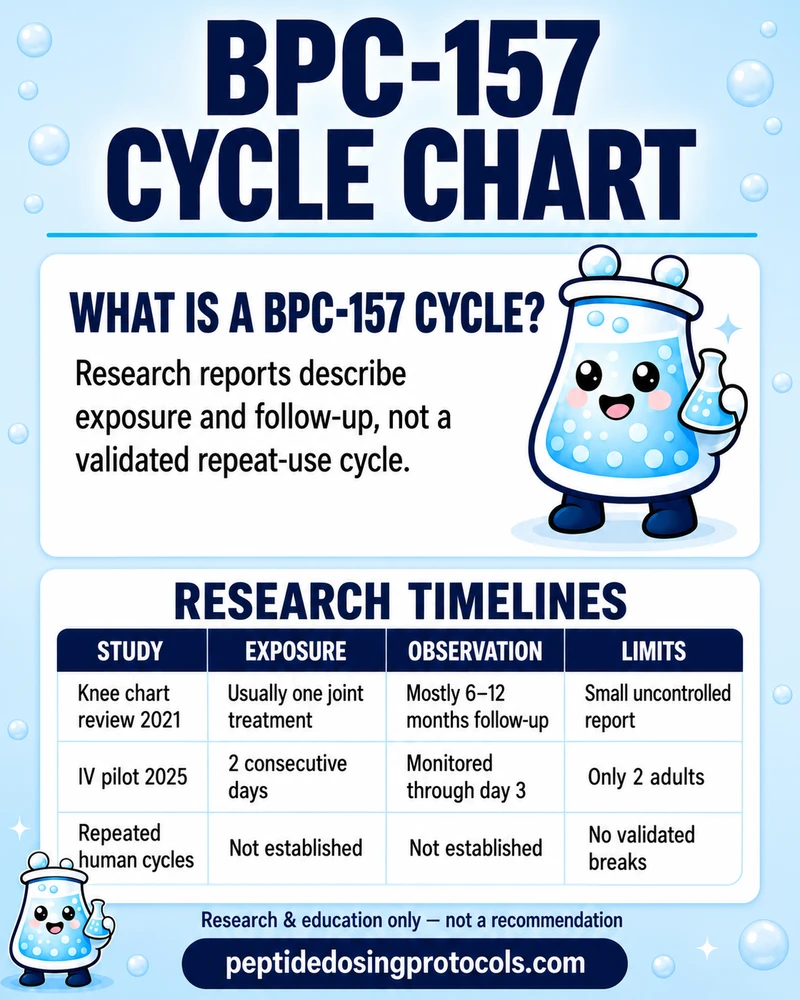
There is no established human BPC-157 cycle length in the sources reviewed. A cycle usually means a planned period of use, followed by time off and perhaps another course. To validate that pattern, a study must actually test it. A report of improvement after a procedure cannot supply the missing schedule.
The human evidence includes small clinical reports, an older meeting abstract, and registered research plans. Their routes, conditions, and time windows differ. None provides a general answer for how long someone should inject or swallow BPC-157, take a break, and restart.
Keep dose and duration questions separate
The BPC-157 protocol background covers dose-related terms and product types. This page evaluates timing evidence. A community schedule does not become clinically proven because it appears beside preparation instructions or vial math.
Community Reports: Untested Cycle Lengths
Not clinically researched cycle guidance
These examples come from people describing their own use online. Clinical studies have not established the cycle lengths or breaks below. We cannot confirm what products they used, how they took them, or what else they took. We also cannot check their results or side effects. Repeated claims and upvotes do not prove that a schedule works or is safe.
The discussions reviewed include 4-, 6-, and 8-week use, longer use, and disagreement about breaks. Many reports combine BPC-157 with other peptides. These personal stories differ. They do not prove that a four-to-eight-week cycle works or is safe.
A March 2025 r/bpc_157 retrospective describes a completed eight-week course with TB-500. A July 2026 six-week injection report describes mixed results: no improvement in the right arm and some improvement in the left. The writer was still doing physical therapy and was unsure what had caused the change. Another cycle-length discussion includes four-week courses and claimed long-term use. These different accounts do not identify an effective duration or prove which compound caused a change.
The small human studies below used different routes and designs. A joint procedure or a two-day study of treatment into a vein cannot support weeks of injections under the skin. No human on-and-off schedule or safe repeat-course break is established by these threads.
Community sources reviewed October 14, 2026. These are a few discussions, not a survey. They do not show that the wider community agrees on a schedule.
What Timelines Did Human Reports Use?
The table separates when treatment occurred from when researchers asked about outcomes. The distinction is essential: a follow-up call months later does not mean treatment continued for months.
BPC-157: treatment time versus later checks
Report and route
Knee pain, 2021: joint injection
Time receiving treatment
Usually one treatment; a few repeat injections after reinjury
Observation
Variable follow-up, mostly 6–12 months
Main limit
Looked back at symptoms; no comparison group
Report and route
Bladder symptoms, 2024: bladder-wall injection
Time receiving treatment
One procedure guided by a scope inside the bladder
Observation
Bladder scope exam at 6 weeks; questionnaires mostly 4–6 months later
Main limit
Small report with no comparison group; checks at different times
Report and route
Small safety study, 2025: infusion into a vein (IV)
Time receiving treatment
Infusions on 2 days in a row
Observation
Monitoring through day 3
Main limit
Only 2 adults; no long-term safety conclusion
| Report and route | Time receiving treatment | Observation | Main limit |
|---|---|---|---|
| Knee pain, 2021: joint injection | Usually one treatment; a few repeat injections after reinjury | Variable follow-up, mostly 6–12 months | Looked back at symptoms; no comparison group |
| Bladder symptoms, 2024: bladder-wall injection | One procedure guided by a scope inside the bladder | Bladder scope exam at 6 weeks; questionnaires mostly 4–6 months later | Small report with no comparison group; checks at different times |
| Small safety study, 2025: infusion into a vein (IV) | Infusions on 2 days in a row | Monitoring through day 3 | Only 2 adults; no long-term safety conclusion |
These were different study settings, not alternative cycle options. No repeat-course break was validated.
Primary sources: knee report, bladder report, and IV pilot. The 2026 FDA review also examines their limitations.
BPC-157 Cycle Supplies Needed
There is no validated human BPC-157 cycle from which to calculate a required vial count. This section identifies the product and supply limits without turning a community report into a shopping or injection plan. The case, blood-test kit, and Amazon links below are optional shopping resources. A clinician should choose which blood tests, if any, are appropriate; a commercial panel cannot prove that an untested cycle is safe. Check device compatibility and product-specific storage needs. A case or mini fridge does not by itself meet a medicine’s temperature requirements.
Research Supplies
Choose your region
Use discount code PEPPAL at Peptide Partners checkout. See why we love Peptide Partners.
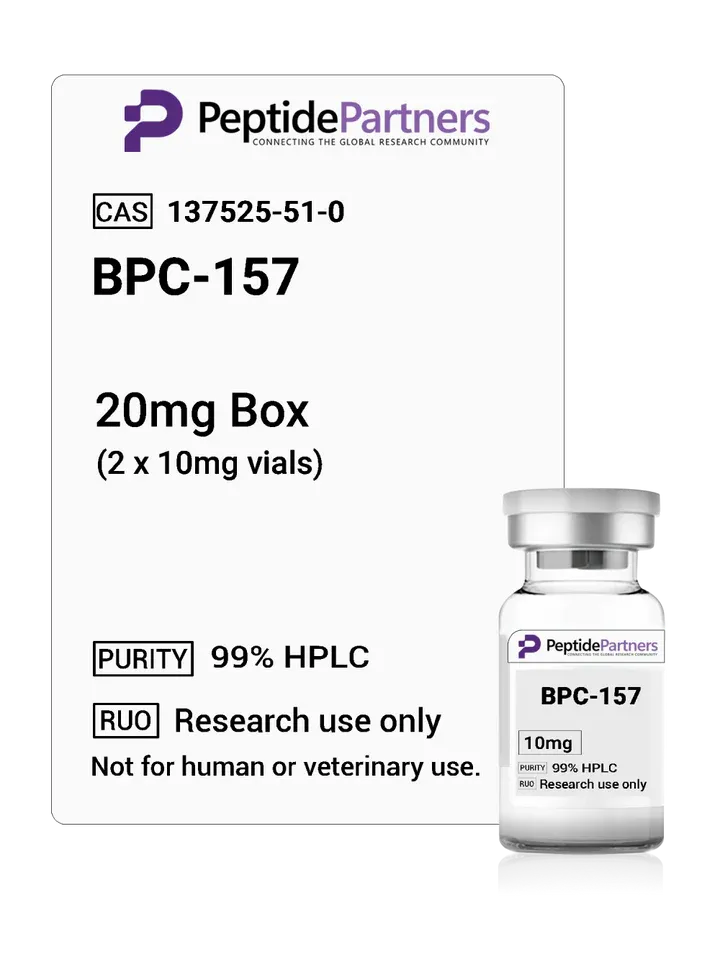
BPC-157 (10mg vials)
Pharmacy Grade BPC-157
Pharmacy Grade BPC-157 Capsules
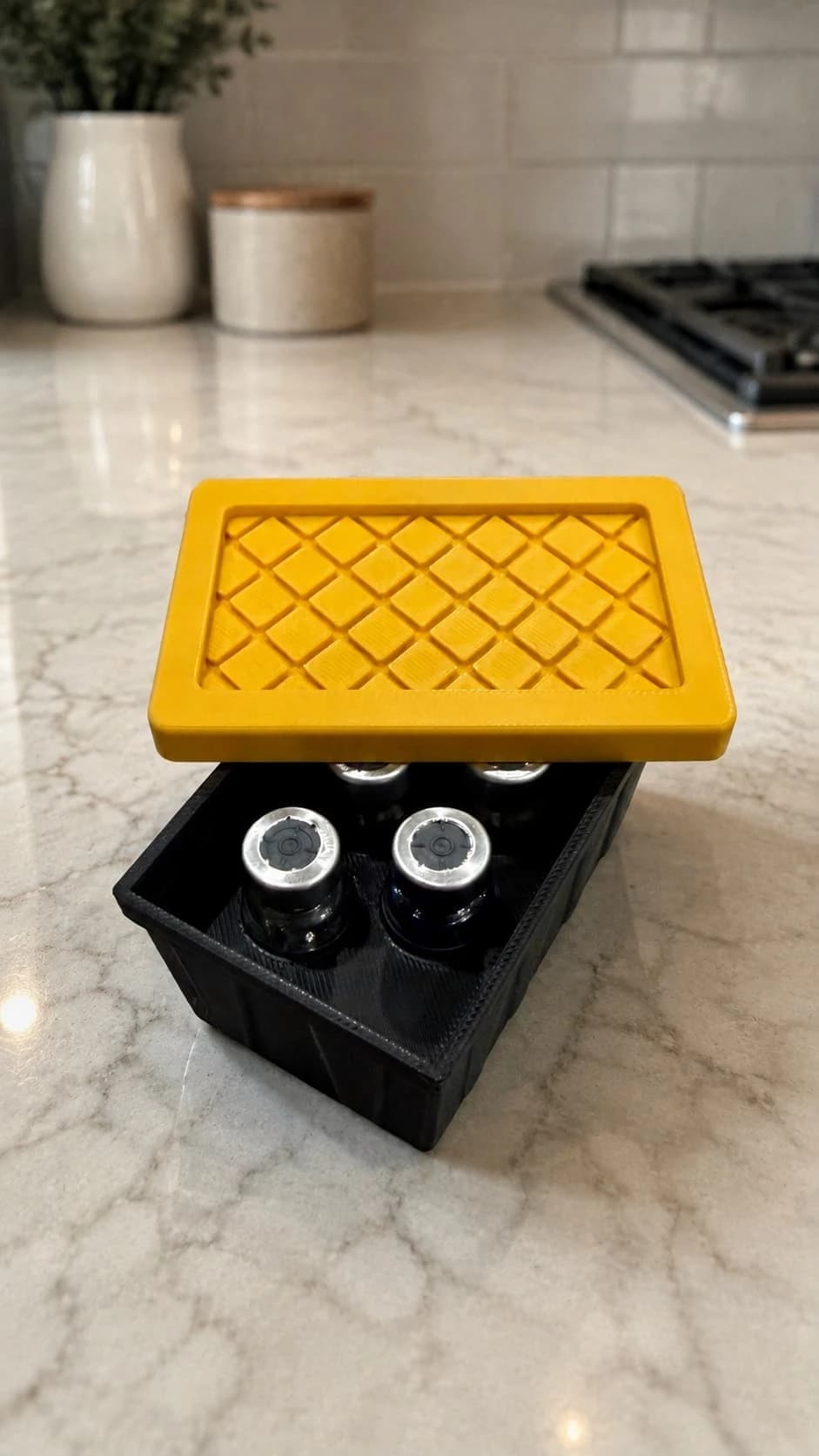
5-Vial Tote Case
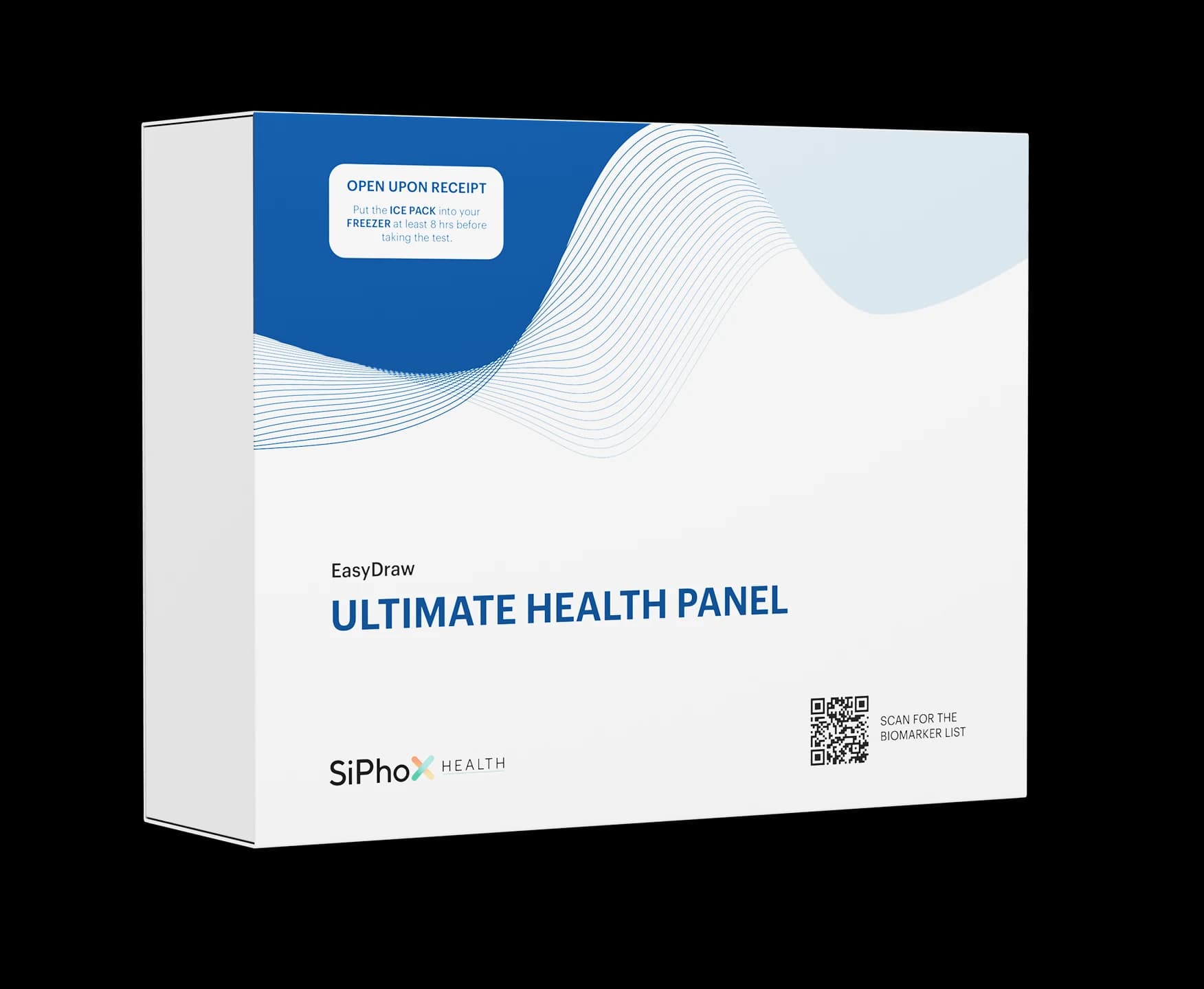
At-Home Blood Test
Research Supplies
Disclosure: supply links may earn PDP a commission at no cost to you.
Compound and formulation
| Supply check | What to verify |
|---|---|
Identity check Exact product required | Keep single-compound BPC-157 separate from TB-500 blends. Oral, joint, bladder, IV, and subcutaneous reports cannot share one supply calculation. |
Identity check
Exact product required
Keep single-compound BPC-157 separate from TB-500 blends. Oral, joint, bladder, IV, and subcutaneous reports cannot share one supply calculation.
Vials and preparation materials
| Supply check | What to verify |
|---|---|
Human cycle quantity Not established | A seller’s vial strength does not establish a human dose, course length, diluent amount, or syringe count. Those quantities are not estimated from anecdotes here. |
Human cycle quantity
Not established
A seller’s vial strength does not establish a human dose, course length, diluent amount, or syringe count. Those quantities are not estimated from anecdotes here.
Storage and handling information
| Supply check | What to verify |
|---|---|
Research product documentation Product-specific | Check the actual product documentation, batch information, and storage requirements. Product testing or supplies do not establish safety or suitability for human use. |
Research product documentation
Product-specific
Check the actual product documentation, batch information, and storage requirements. Product testing or supplies do not establish safety or suitability for human use.
Research-only products are not approved human medicines. No supply quantity on this page establishes a safe cycle, break, or restart interval.
Companion Supplies & Routine Support
Why the Knee Report Is Not a Multiweek Cycle
The knee paper reviewed prior clinic records rather than randomly assigning treatment. Sixteen patients were contacted: 12 had received BPC-157 alone and four a combination described as BPC-157 with TB4. The study gathered patients’ reports of pain relief.
It did not give everyone a matching course of daily treatment. Two patients received another injection after reinjury. Those individual events do not establish a scheduled restart interval. Nor does a later report of less pain prove that the compound stayed in the body for that whole time.
Pain is important, but it is not the same measurement as tissue healing. A report can describe symptoms without showing that a tendon, ligament, or cartilage injury has repaired. A stronger recovery claim would need suitable tests of structure or function, with the outcomes chosen before treatment.
Without a comparison group, several explanations remain possible. Symptoms can change naturally, other care can help, and people can remember earlier pain imperfectly. These limits do not prove the report is false. They show why it cannot identify the best course length or prove that the peptide caused the outcome.
What Does the Bladder Pilot Add?
The 2024 pilot involved 12 women with interstitial cystitis, a bladder-pain condition. It used a procedure directed at the bladder wall, not a course of daily injections under the skin. The reported symptom improvement is an early finding in this specific group and care setting.
Timing needs care. The full paper’s methods describe a repeat bladder scope exam, called a cystoscopy, at six weeks. Most questionnaires asking people to look back at their symptoms came four to six months later. Those are different checks. Combining them into a simple six-week treatment period would misstate when treatment happened and when results were checked.
A small study with no comparison group cannot determine how much improvement came from the active compound, the procedure, other factors, or the condition’s changing course. It also cannot establish a general treatment for unrelated gut, muscle, or tendon complaints.
One procedure does not establish ongoing use
A report about a local procedure can raise a research question. It does not justify copying the observation period into a daily injection calendar or repeating the procedure after an arbitrary break.
What Can the Two-Person IV Pilot Show?
The 2025 IV report enrolled two adults who had previously received IV BPC-157. It reported no side effects or notable changes in the measured checks during its brief observation window. This is a very small short-term observation, not proof of general safety.
The sample matters. Two people cannot reliably reveal an uncommon reaction. Prior exposure also means the report does not tell us how a broad group of first-time users would respond. A short window cannot assess effects that emerge after longer or repeated use.
Safety and effectiveness are different questions. An unchanged blood test does not show that an injury healed, that a symptom improved because of the compound, or that a longer course would be beneficial. A safety-focused pilot should not be rewritten as an effective cycle study.
The same limit applies to reassuring online stories. Several uneventful experiences can be real without establishing the chance of harm. To estimate risk, researchers need enough participants, clear records of side effects, and follow-up suited to the risk being measured.
What About Gut Studies and Registered Trials?
The FDA review describes a 2005 ulcerative-colitis meeting abstract: 53 participants were assigned by chance to groups in a two-week rectal-enema study. An enema delivers liquid into the lower bowel. The incomplete report and poorly described follow-up do not establish a repeat-use plan. It would be inaccurate to say there has never been any randomized human research.
A meeting abstract is a short report, often too brief to assess all methods and results. It deserves a different label from a full paper. The existence of an abstract is not enough to validate every later claim about a compound or a different route.
The older oral trial record describes a planned safety study, including a phase with repeated use. Its status is unknown and it has no posted results. A registered calendar tells us what researchers planned; it does not prove that the study finished or that its schedule was safe.
A newer hamstring-injury trial record describes 14 days of study treatment with rehab and later checks of results. No results are posted in the record reviewed. Until results are available and assessed, this is a research plan rather than evidence for a two-week recovery cycle.
Track the stage of the evidence
Planned, started, completed, and published are different stages. A trial registration can be useful and still leave the main clinical question unanswered. Do not treat a projected completion date as a result.
Can One Route Set the Cycle for Another?
No. The route changes how a compound reaches the body and which tissues receive it. An injection into a joint, an infusion into a vein, a bladder procedure, a capsule, and an injection beneath the skin are different ways of giving treatment.
Route labels in plain English
Route
Intra-articular
Meaning
Placed into a joint
Evidence boundary
Does not establish a routine under-skin injection course
Route
Intravenous
Meaning
Given into a vein
Evidence boundary
Does not show how a swallowed product enters the body or set a home injection plan
Route
Subcutaneous
Meaning
Placed beneath the skin
Evidence boundary
Needs evidence for that route and proposed duration
Route
Oral or rectal
Meaning
Swallowed or delivered to the lower bowel
Evidence boundary
Needs results for that exact product and way of giving it
| Route | Meaning | Evidence boundary |
|---|---|---|
| Intra-articular | Placed into a joint | Does not establish a routine under-skin injection course |
| Intravenous | Given into a vein | Does not show how a swallowed product enters the body or set a home injection plan |
| Subcutaneous | Placed beneath the skin | Needs evidence for that route and proposed duration |
| Oral or rectal | Swallowed or delivered to the lower bowel | Needs results for that exact product and way of giving it |
The presence of human research for one route cannot be used to erase the gaps for another.
Product identity matters too. A research vial, a capsule with a particular salt form, and a blend may differ from the material in a study. A familiar peptide name is a starting point for checking a match, not proof that the study applies.
Claims that one form is more stable or easier to absorb require evidence for that form. Even a sound formulation finding would not by itself establish the best treatment length. Absorption, effectiveness, and repeat-use safety remain separate questions.
Why a Short Half-Life Does Not Set a Cycle
A 2022 study of how the body handles a drug tracked BPC-157 in rats and dogs after injections into a vein or muscle. It reported a half-life under 30 minutes under the studied conditions. These are animal findings, not a proven half-life for injections under the skin in people.
Half-life is the time it takes for the measured amount to fall by about half. It does not tell us when every biological effect ends. It also does not tell us whether a tissue has healed, whether a side effect can still occur, or when another course is safe.
This prevents two opposite mistakes. Fast removal from the body is not a reason to assume frequent or long-term use is harmless. A lasting reported effect is not proof that the molecule remains active for months. Drug levels, the body’s responses, symptoms, and recovery can follow different timelines.
Animal injury models can guide research, but their exposure periods cannot simply become human cycles. The species, injury, way of giving treatment, and measured result differ. An experiment that measures a tissue sample after a few days cannot answer a question about repeated courses in people over a year.
Are Common Four-to-Eight-Week Schedules Proven?
The sources reviewed do not establish a four-, six-, or eight-week BPC-157 course as a standard human cycle. Precise-looking week counts are common in community discussions, but precision is not the same as evidence. A source should explain where its number came from.
“Continue until healed”
This assumes the user can tell when healing is complete and that further exposure helps. Pain change alone cannot answer either question.
“Longer is better for chronic problems”
A chronic symptom does not prove that a longer untested course adds enough benefit to outweigh its risks.
“Take weekends off”
A weekly pause is not a proven way to stop the effect from weakening with use or to make repeated use safe.
“Repeat when symptoms return”
Returning symptoms can require a new assessment. They do not prove that another course is the appropriate response.
These claims need studies that compare the actual schedules and track meaningful outcomes. A study that never tested the proposed timing cannot become its evidence just because it used the same peptide name.
How Long Should a BPC-157 Break Last?
No evidence-based restart interval was established in the reviewed human sources. A two-week or four-week break should not be presented as a proven reset. Likewise, missing break data do not prove that uninterrupted use is safe.
A repeat-course study would need to specify the first course, the gap, the next course, and the total number of repeats. It would need to record both benefit and harm after each stage. Following someone after a single treatment does not answer all those questions.
Tolerance means a response gets weaker with repeated exposure. To claim that time off restores it, research must first show the loss of response and then test the proposed break. Neither a short half-life nor a person’s sense that the effect is weakening establishes that chain.
A break is not a general safety fix
Time off cannot establish that a product is correctly identified or free from contamination. It also cannot prove that a previous reaction will not recur. Calendar rules and product-quality risks are separate issues.
Do BPC-157 and TB-500 Blends Have the Same Cycle?
A combination needs its own evidence. Results involving BPC-157 alone cannot establish how a blend behaves, and a result from a mixed group cannot cleanly identify which ingredient contributed. More ingredients create more questions rather than automatically making a schedule more complete.
Names also need checking. Material described as TB4 in a paper should not automatically be relabeled as every commercial product sold as TB-500. Similar names are not enough to prove that molecules, formulations, or exposures match.
The same applies to combinations with GHK-Cu or other peptides. Separate study timelines cannot be added together to create a validated stack cycle. A course chosen for one ingredient is not evidence that the other ingredients should share its duration or break.
The research card on this page uses the directory’s single-compound BPC-157 category. That avoids silently substituting a blend. It does not show that a seller’s product matches a clinical study or is suitable for human use.
Safety and FDA Context
FDA flags BPC-157 for possible immune reactions and concerns about peptide impurities and identifying the active material. It says the available safety information is insufficient to determine whether the substance would harm people when given in the proposed ways.
The current FDA safety page says a request to list BPC-157 for use in compounded drugs was withdrawn. That listing status is not drug approval and does not remove the safety concerns. A change in a list should not be turned into a claim that a treatment schedule has become proven.
A research-use label or batch certificate is also not clinical evidence. Quality testing may answer questions about the sample tested. It cannot establish a safe course length, identify every possible reaction, or replace a human trial of the intended use.
A licensed clinician can assess the underlying injury or illness, other medicines, and symptoms that need attention. Starting or extending an experimental course should not replace that assessment. This is especially important when a pain or gut complaint has not been diagnosed.
What the evidence supports
Describe the study setting, the time receiving treatment, and the time spent checking results accurately. Keep unknown cycle lengths and breaks unknown. Small reports are a reason for better research, not a basis for a universal treatment calendar.
A Checklist for Reading BPC-157 Cycle Advice
- Open the original paper or trial record. Check whether it contains results or only a study plan.
- Confirm the exact compound and route. Do not substitute an oral or under-skin schedule for a local procedure.
- Separate treatment days from the last phone call, examination, or blood test.
- Check the outcome. Less reported pain is different from verified tissue healing or improved function.
- Ask whether the proposed course length or break was actually compared with another option.
- Check how harms were collected and how long participants were followed after exposure.
A useful record for a clinical discussion includes the exact product, route, dates, symptoms, and other treatments. It can help clarify what happened without pretending that an uncontrolled experience proves cause and effect.
The best short answer to a cycle question may be that the evidence does not yet establish one. That answer is more useful than borrowing a week count from a different route, a laboratory experiment, or a seller’s dosing chart.
BPC-157 Cycle FAQs
Q1: Is four or eight weeks a proven BPC-157 cycle?
No. The reviewed human evidence does not establish either duration as a standard course. A common online schedule is not the same as a tested treatment plan. The relevant study would need to match the compound, route, condition, and timing being claimed.
Q2: Was the knee study a six-to-twelve-month treatment course?
No. Those months describe later observation in a report that looked back at earlier care. They do not describe a daily course lasting that long. The difference between treatment time and later checks is essential when reading any claim based on that paper.
Q3: Does the IV study prove BPC-157 is safe?
No. A very small short-term pilot can report what happened to its participants. It cannot establish uncommon risks, long-term safety, or the safety of repeated courses. It also cannot validate another route or a treatment benefit the study did not test.
Q4: Does BPC-157 need a two-week or four-week break?
Neither interval was validated as a standard restart break in the sources reviewed. A break is not proved useful simply because it is common in online schedules. A lack of evidence for breaks is also not proof that continuous use is safe.
Q5: Can an oral study support an injectable cycle?
Not by itself. The exact product and how it is given affect how it reaches the body. Each raises its own research questions. A trial registration without results is weaker still: it records a plan, not a demonstrated benefit or safety finding.
Q6: Are there really no randomized human studies?
That blanket statement is too strong. A short report at a research meeting described an older ulcerative-colitis study that assigned people to groups by chance. Its limited reporting does not establish a general cycle, and it should not be presented as a complete modern trial of injury recovery.
Q7: Does a short half-life mean frequent use is safe?
No. How fast the body removes a substance is only one part of the picture. Its effects and side effects can follow a different timeline. Animal half-life results also cannot tell us how each human product enters and leaves the body.
Q8: Can I repeat a cycle if pain comes back?
Returning pain is a clinical question, not a validated restart trigger. It can reflect several causes, and a prior change does not prove that BPC-157 caused the improvement. A clinician can assess the condition rather than assuming another experimental course is needed.
Q9: Can normal blood tests confirm that another course is safe?
No single set of tests establishes the safety of an untested repeated-use plan. Tests can help answer specific medical questions, but they do not measure every tissue effect, immune response, or product-related risk. A clinician should read the results alongside the person’s symptoms and health history.
Q10: Does combining BPC-157 with TB-500 prove a better cycle?
No. A blend needs evidence for the combination and the exact materials used. Studies of individual ingredients cannot establish a shared course or break. A mixed study group also makes it harder to tell which ingredient contributed to a reported effect.
Sources & Research
- 1. Lee E, Padgett B. Intra-Articular Injection of BPC 157 for Multiple Types of Knee Pain Alternative Therapies in Health and Medicine (2021)
- 2. Lee E, Walker C, Ayadi B. Effect of BPC-157 on Symptoms in Patients with Interstitial Cystitis: A Pilot Study Alternative Therapies in Health and Medicine (2024)
- 3. Lee E, Burgess K. Safety of Intravenous Infusion of BPC157 in Humans: A Pilot Study Alternative Therapies in Health and Medicine (2025)
- 4. He L, Feng D, Guo H, et al. BPC-157 pharmacokinetics, distribution, metabolism, and excretion in rats and dogs Frontiers in Pharmacology (2022)
- 5. U.S. Food and Drug Administration July 2026 Pharmacy Compounding Advisory Committee: BPC-157 review FDA briefing document (2026)
- 6. U.S. Food and Drug Administration Compounding substances with potential significant safety risks: BPC-157 FDA
- 7. ClinicalTrials.gov NCT02637284: planned oral BPC-157 safety study; no posted results Trial registry
- 8. ClinicalTrials.gov NCT07437547: registered BPC-157 hamstring-injury study; no posted results Trial registry
Related Dosing Protocols
Educational use only
Peptide Dosing Protocols is an independent educational reference. Nothing here is medical advice or a recommendation for human use. Consult a licensed healthcare provider about treatment decisions.
Read the evidence with the compound background
Check the exact product and how it was used when weighing unproven cycle claims.

Written by Garret Grant
Founder & Lead Researcher · B.S. Civil Engineering, UCLA
Last updated: October 2026
Human-researched and AI-assisted with full editorial review. I verify sources, protocol interpretation, and final judgments personally. See methodology.
Share this page