
Is Tirzepatide Taken in Cycles?
For obesity, the evidence supports thinking in terms of treatment and long-term maintenance, meaning continued care to help keep weight off, rather than a preset cycle followed by a reset. A clinician may change or stop treatment for many reasons. That is different from assuming everyone should take a break after a fixed number of weeks.
The word cycle can hide several separate questions: How long does the starting phase last? When is response reviewed? What happens at a stable weight? What happens after stopping? Each needs its own answer. A single number cannot cover them all.
Keep duration separate from dose instructions
This page reviews timing and maintenance evidence. The tirzepatide protocol background covers the compound and dosing context. Use the current instructions for the exact prescription product and the prescriber's plan for personal treatment decisions.
Which Prescription Product and Condition Are We Discussing?
Zepbound is approved for weight reduction and long-term maintenance in eligible adults, alongside a reduced-calorie diet and increased activity. It also has an approved use for moderate to severe obstructive sleep apnea in adults with obesity. This condition causes repeated breathing pauses when the airway becomes blocked during sleep.
The current Mounjaro label covers blood-sugar control in type 2 diabetes, including patients age 10 and older. As updated in August 2026, it also covers lowering the risk of heart attack, stroke, or death from heart or blood-vessel disease in adults with type 2 diabetes at high risk. This guide's weight-maintenance discussion concerns adult obesity trials.
These approved uses share an ingredient but do not make every treatment goal identical. A stopping decision for someone with diabetes must consider blood sugar as well as weight. A sleep-apnea plan also involves breathing during sleep. Do not judge the whole treatment only by a number on the scale.
Community Reports: Untested Cycle Lengths
Not clinically researched cycle guidance
These examples come from people describing their own use online. Clinical studies have not established the cycle lengths or breaks below. We cannot confirm what products they used, how they took them, or what else they took. We also cannot check their results or side effects. Repeated claims and upvotes do not prove that a schedule works or is safe.
Community discussion includes treatment breaks and maintenance experiments, but it does not establish a recommended on-and-off cycle. No sufficiently clear, comparable on-and-off cycle lengths were verified in these discussions to report as a community pattern. Approved tirzepatide treatment and prescription decisions take priority over online schedules.
An October 2023 r/Tirzepatide discussion and a July 2026 cycling question in r/tirzepatidecompound show users debating interruptions rather than showing that a cycle has been tested. The compounded-product forum also does not show that those products match approved Zepbound or Mounjaro.
Zepbound is approved for weight loss and for helping keep weight off long term. In SURMOUNT-4, stopping after the first 36 weeks of treatment led to major weight regain over the next 52 weeks. People who continued treatment kept their earlier weight loss and lost more. That is evidence about withdrawal, not a direction to repeat that pattern. Discuss interruptions or changes with the prescriber.
Community sources reviewed October 14, 2026. These are a few discussions, not a survey. They do not show that the wider community agrees on a schedule.
How Long Did the Major Studies Last?
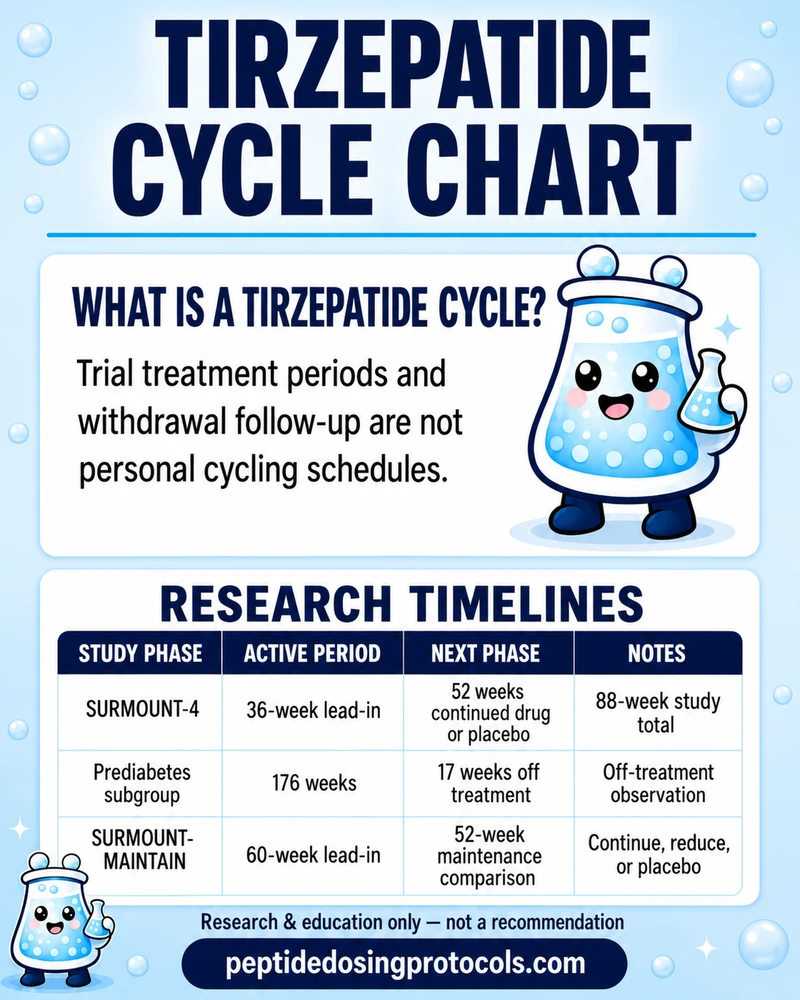
The table separates active treatment from a comparison after stopping or later checks without treatment. The trials did not all ask the same question. Some tested initial weight loss, while others tested whether a prior loss could be maintained.
Tirzepatide research durations
These are trial designs, not a recommended schedule.
Study
SURMOUNT-1
Treatment period
72 weeks
Later phase or key distinction
Includes gradual dose increases; not 72 weeks at the final dose
Study
SURMOUNT-4
Treatment period
36 weeks of treatment before the comparison
Later phase or key distinction
52 more weeks: continue tirzepatide or switch to placebo; 88 weeks total
Study
SURMOUNT-1 prediabetes subgroup
Treatment period
176 weeks assigned treatment
Later phase or key distinction
17 weeks off treatment; assessment through week 193
Study
SURMOUNT-MAINTAIN
Treatment period
60 weeks of treatment before the comparison
Later phase or key distinction
52-week maintenance comparison; 112 weeks total
| Study | Treatment period | Later phase or key distinction |
|---|---|---|
| SURMOUNT-1 | 72 weeks | Includes gradual dose increases; not 72 weeks at the final dose |
| SURMOUNT-4 | 36 weeks of treatment before the comparison | 52 more weeks: continue tirzepatide or switch to placebo; 88 weeks total |
| SURMOUNT-1 prediabetes subgroup | 176 weeks assigned treatment | 17 weeks off treatment; assessment through week 193 |
| SURMOUNT-MAINTAIN | 60 weeks of treatment before the comparison | 52-week maintenance comparison; 112 weeks total |
Sources: SURMOUNT-1 (2022), SURMOUNT-4 (2024), the SURMOUNT-1 long-term report (2025), and SURMOUNT-MAINTAIN (2026), linked below.
Placebo is a look-alike treatment without the active drug. Someone switched to placebo stops receiving the drug, even if they stay in the study. Likewise, a final follow-up visit after stopping is not another treatment week. Those distinctions prevent a study diagram from becoming a misleading cycle chart.
Tirzepatide Cycle Supplies Needed
Supplies depend on the prescribed tirzepatide product and its own instructions. The research-catalog card is separate from prescription treatment. It is not an approved medicine or a substitute for a pharmacy-dispensed product. The case, blood-test kit, and Amazon links below are optional shopping resources. A clinician should choose which blood tests, if any, are appropriate; a commercial panel cannot prove that an untested cycle is safe. Check device compatibility and product-specific storage needs. A case or mini fridge does not by itself meet a medicine’s temperature requirements.
Research Supplies
Choose your region
Use discount code PEPPAL at Peptide Partners checkout. See why we love Peptide Partners.
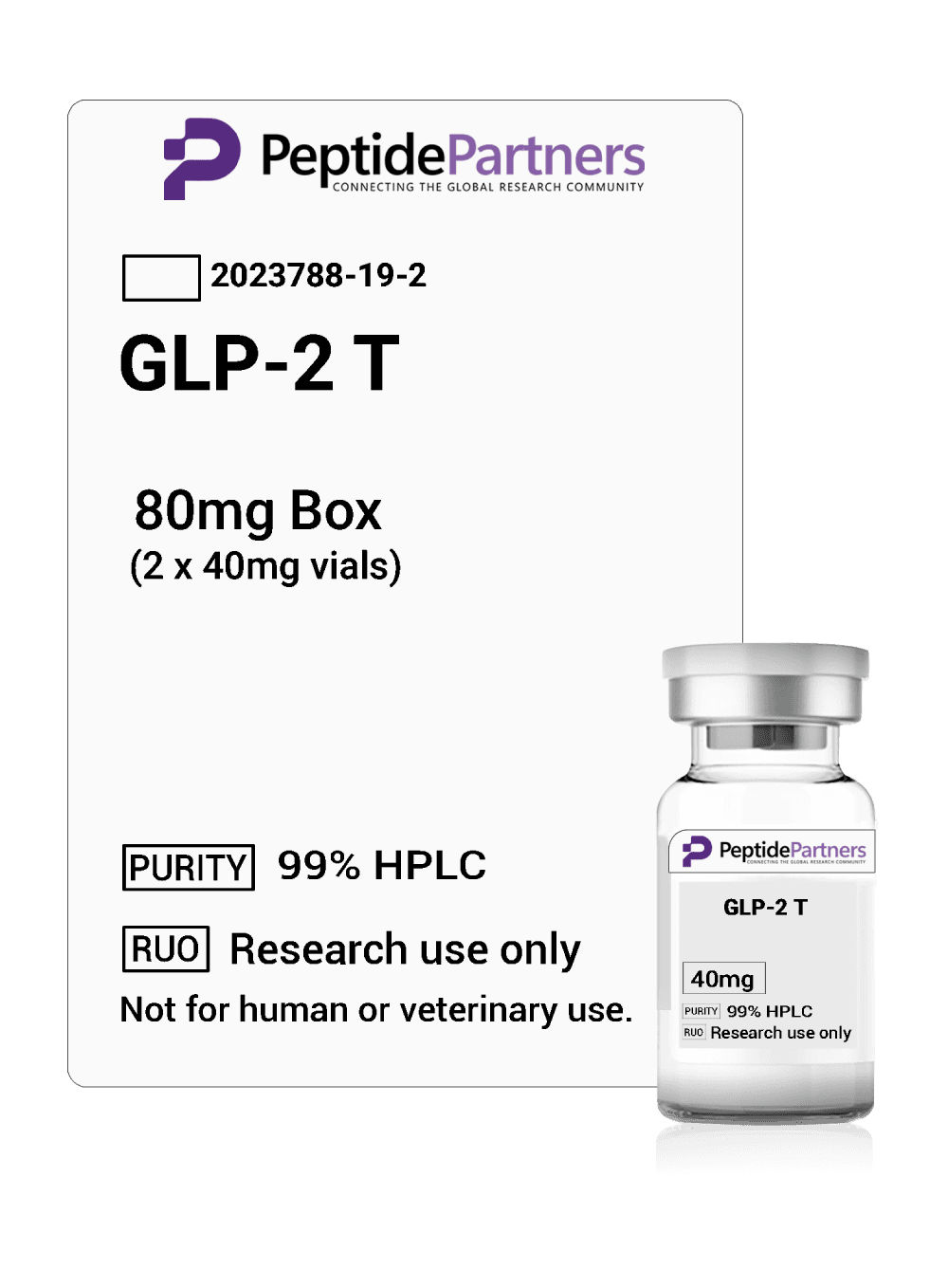
GLP-2 Tirzepatide (40mg vials)
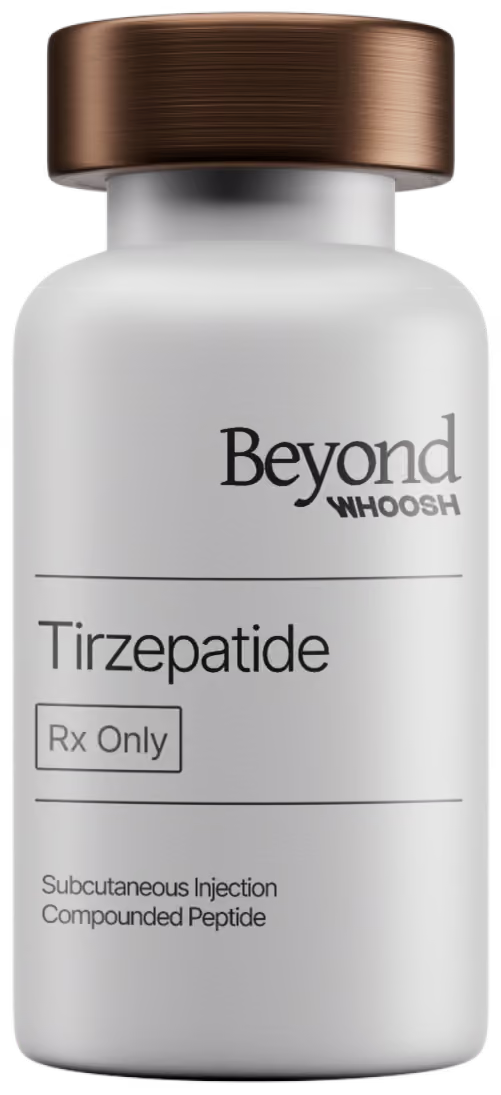
Pharmacy Grade Tirzepatide
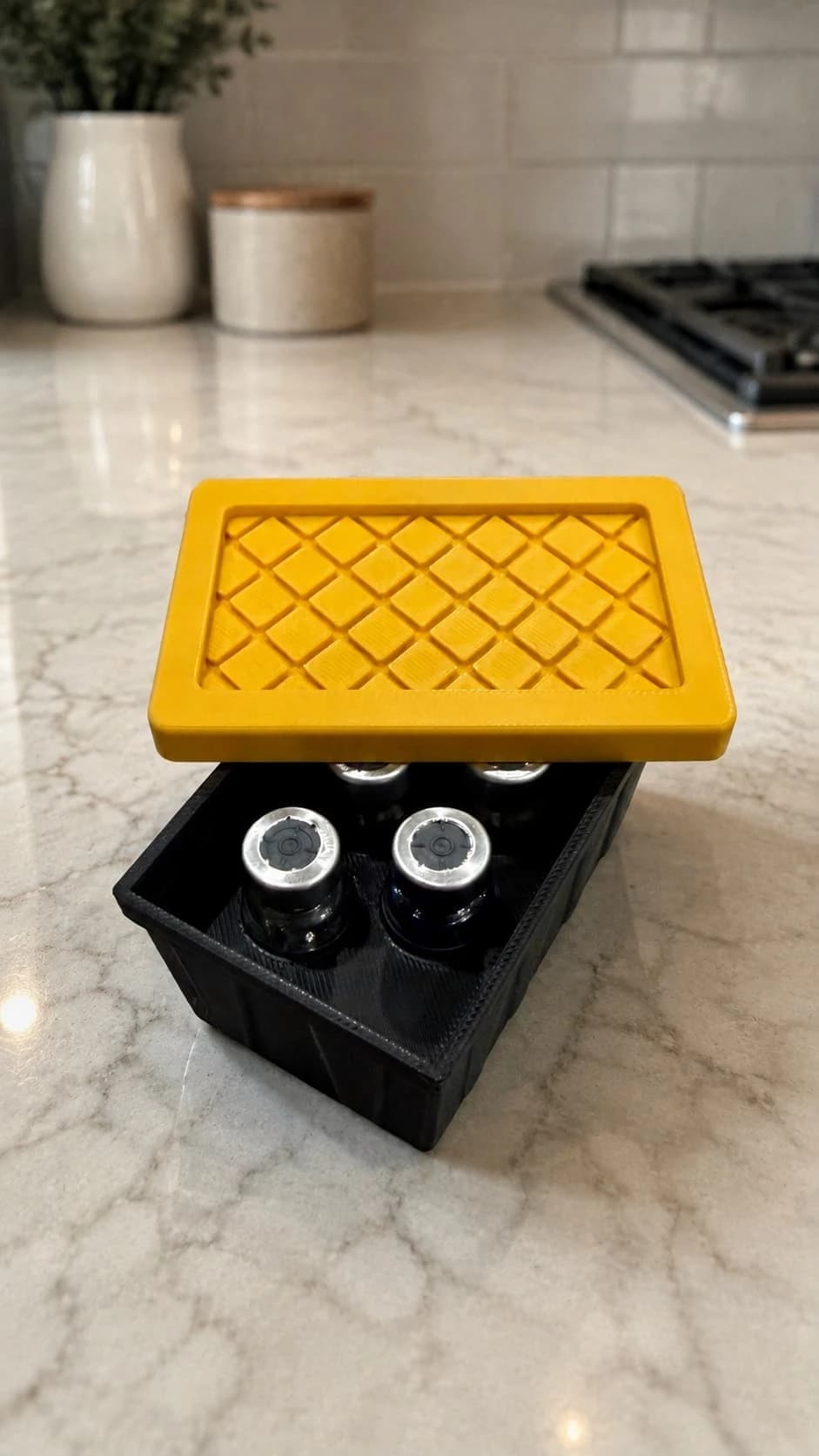
5-Vial Tote Case

At-Home Blood Test
Research Supplies
Disclosure: supply links may earn PDP a commission at no cost to you.
Prescribed product and device
| Supply check | What to verify |
|---|---|
Product and strength As prescribed | Confirm the exact brand, formulation, device, and refill quantity with the dispensing pharmacy. Do not calculate a prescription supply from the research vial shown here. |
Product and strength
As prescribed
Confirm the exact brand, formulation, device, and refill quantity with the dispensing pharmacy. Do not calculate a prescription supply from the research vial shown here.
Preparation and storage
| Supply check | What to verify |
|---|---|
Product instructions Formulation-specific | Tirzepatide pens and vial presentations are not interchangeable preparation kits. Follow the instructions for the exact dispensed product; do not infer that a pen needs diluent or a separate syringe. |
Product instructions
Formulation-specific
Tirzepatide pens and vial presentations are not interchangeable preparation kits. Follow the instructions for the exact dispensed product; do not infer that a pen needs diluent or a separate syringe.
A clinician and pharmacist should confirm treatment supplies. Trial duration and community reports do not determine a personal refill quantity or a restart plan.
Companion Supplies & Routine Support
Why the Starting Phase Is Not a Short Cycle
The Zepbound label separates starting treatment from ongoing maintenance. Its 2.5 mg starting dose is used for the first four weeks and is not a maintenance dose. Dose increases are spaced to reduce digestive side effects, such as nausea, vomiting, or diarrhea. This is a treatment-start process, not evidence for monthly on-and-off use.
In SURMOUNT-1, the 72-week treatment period included up to 20 weeks of gradual dose increases. Participants were not all at their final assigned dose from day one. That matters when comparing early changes with a trial's final result.
Two people who have both been treated for three months may have taken different amounts or had different side effects or dose changes. Counting calendar weeks alone is not enough to compare their responses. A research timeline should make the starting phase visible without turning it into a personalized dose ladder.
What Did SURMOUNT-4 Find After Stopping?
In SURMOUNT-4, 670 adults without diabetes who finished the first 36 weeks of treatment were assigned by chance to continue tirzepatide or receive placebo. Their average weight loss before that split was 20.9%. The next comparison lasted 52 weeks.
From week 36 to week 88, those switched to placebo gained an average of 14.0% of their week-36 body weight. Those continuing treatment lost a further 5.5%. The 14.0% figure is not the percentage of previously lost weight regained. Its starting point is body weight when people were assigned to those groups.
Both groups continued lifestyle support. The result supports an ongoing treatment effect; it does not guarantee a particular outcome for every patient. Participants had already finished the starting phase. This comparison therefore does not describe everyone who starts treatment, including people who stop early.
A withdrawal trial is not a restart trial
This comparison did not test repeated breaks followed by planned restarts. It cannot tell us that a particular gap improves later response.
What Changed With SURMOUNT-MAINTAIN in 2026?
SURMOUNT-MAINTAIN tested a question beyond simple continuation or withdrawal. After 60 weeks of treatment, participants were assigned to one of three groups for 52 weeks. They either stayed on the highest dose they could tolerate, 10 or 15 mg, reduced to 5 mg weekly, or switched to placebo.
From week 84, people who regained a substantial amount of weight could receive tirzepatide as rescue treatment. That means treatment could be restarted or increased when needed, and the analysis took this into account. It would be wrong to say that everyone in the placebo group spent a full year without medication. This detail matters when reading the results.
Both groups that stayed on tirzepatide did better than the placebo group on the study’s main measure. This provides evidence for a specific reduced-dose option in a selected group. It does not support choosing longer gaps between doses, tiny doses, repeated breaks, or gradually reducing the dose to zero.
The distinction that matters
Reduced-dose maintenance is still treatment. It should not be relabeled as an off-cycle or a drug holiday.
What Do 176 Weeks On Treatment and 17 Weeks Off Mean?
The long-term SURMOUNT-1 report focused on 1,032 participants with obesity and prediabetes at the start. Assigned treatment lasted 176 weeks, followed by 17 weeks off treatment. This was a specific subgroup. The result did not cover everyone in the original trial.
The report found sustained weight reduction during treatment and fewer new type 2 diabetes diagnoses with tirzepatide than placebo. The later assessment helped examine what happened after treatment ended. It did not compare different break lengths or establish a 17-week reset.
Longer follow-up gives information that a short study cannot. It still has limits: the participants were selected, the study had a fixed end, and individual treatment choices remain broader than one trial. Evidence extending over several years is neither a mandatory lifetime prescription nor proof that stopping will preserve the same benefit.
Does a Plateau Mean Treatment Has Stopped Working?
A plateau means weight is no longer changing much. That observation alone cannot tell us whether treatment is still helping maintain the current weight. Losing weight and preventing regain are different outcomes. Deciding that a stable scale proves failure overlooks the maintenance question.
SURMOUNT-3 tested tirzepatide after a 12-week intensive lifestyle program. People who had lost at least 5% of their weight were then assigned by chance to 72 weeks of medication or placebo. The first 12 weeks tested lifestyle changes alone. They were not 12 extra weeks on tirzepatide.
The study supports evaluating medication alongside lifestyle care. It does not show that everyone who follows a diet or exercise plan can stop without regain. A useful maintenance discussion can cover eating patterns, activity, health changes, side effects, and the treatment goal without treating one slow week as a reason to improvise a cycle.
How Should You Compare Weight-Change Numbers?
Start by finding the starting point for the calculation, called the baseline. A trial may report change from the first visit, from the start of maintenance, or as a share of weight already lost. Those numbers cannot be compared without their labels. A result from a selected maintenance group also should not be treated as the expected result for a new patient.
For a simple example, imagine a person starts at 100 kilograms and loses 20%, reaching 80 kilograms. Gaining 10% of that new weight would add 8 kilograms. They would weigh 88 kilograms and still be below the original weight. This is only a math example, not a predicted tirzepatide outcome.
Next, check whether the number is an average of measured results or an estimate from a statistical model. Researchers must decide how to account for missed visits, people who stop treatment, and added rescue treatment. These choices help answer a defined research question. They also mean that a headline percentage should not be read as a simple promise about what every participant experienced.
Are Breaks, Tapering, and Restarting the Same Thing?
No. A missed dose is an unplanned gap. A temporary hold may be part of medical care. Reduced-dose maintenance keeps treatment in place. Tapering means gradually lowering treatment, often toward stopping. A recurring cycle means repeating use and non-use. Evidence for one does not automatically support the others.
Different questions require different evidence
Claim
A break restores response
What would need to be tested
Planned breaks versus ongoing treatment, followed by measured response
Claim
A taper prevents regain after stopping
What would need to be tested
A taper-to-zero plan versus another stopping strategy, with follow-up
Claim
Longer gaps maintain the same benefit
What would need to be tested
The exact longer gap, with results for benefit and safety
Claim
Restarting at a previous dose is always suitable
What would need to be tested
The gap, past side effects, health changes, and product instructions
| Claim | What would need to be tested |
|---|---|
| A break restores response | Planned breaks versus ongoing treatment, followed by measured response |
| A taper prevents regain after stopping | A taper-to-zero plan versus another stopping strategy, with follow-up |
| Longer gaps maintain the same benefit | The exact longer gap, with results for benefit and safety |
| Restarting at a previous dose is always suitable | The gap, past side effects, health changes, and product instructions |
The trials summarized here do not establish a universal restart plan. Someone whose treatment has been interrupted should ask the prescriber or pharmacist how to resume. A rule for one missed dose should not be stretched into a plan for returning after weeks or months.
Why Weight, Diabetes, and Sleep Apnea Need Separate Reviews
The FDA's sleep-apnea approval summary describes two 52-week trials. They studied adults with obesity and moderate to severe obstructive sleep apnea, including groups with and without positive airway pressure treatment. This uses a device to keep the airway open during sleep. Their key outcome included the number of breathing interruptions during sleep.
A weight-loss target and a sleep test answer different questions. Reaching a target weight does not by itself show that sleep-apnea treatment can be stopped. Changes to a breathing device or other treatment need review by the relevant clinician.
The same logic applies to diabetes: a treatment can affect more than body size. A duration article should not reduce a person's whole care plan to a goal about appearance or suggest that maintaining a lower weight removes every reason for treatment.
Which Safety Issues Can Change the Plan?
The Mounjaro prescribing information has a boxed warning, the FDA’s strongest warning, about tumors in thyroid C-cells in rats. Whether this happens in humans is unknown. The label says not to use tirzepatide if you or a family member has had medullary thyroid cancer, a cancer of those cells. It also says not to use it if you have MEN2, or multiple endocrine neoplasia type 2. MEN2 is a genetic condition that raises the risk of tumors in hormone-producing glands. A known serious allergy to tirzepatide or any other product ingredient is another reason it must not be used.
Other warnings include pancreatitis, which is inflammation of the pancreas, and gallbladder problems. Severe digestive problems, such as vomiting or diarrhea, can lead to dehydration and kidney injury. Low blood sugar is also a risk when used with insulin or certain diabetes medicines. A calendar break does not guarantee protection from these problems.
The Zepbound label also warns about pregnancy and reduced protection from birth-control pills when starting treatment or increasing the dose. It warns about aspiration, when stomach contents enter the lungs during general anesthesia or deep sedation for a procedure. Tirzepatide slows stomach emptying, so food may remain even after fasting. Tell the treating team about planned procedures and these other situations. Do not use an online cycle chart to decide whether to pause treatment.
Do not wait for a planned course to end
Severe or persistent abdominal pain, repeated vomiting with trouble keeping fluids down, or signs of a serious allergic reaction need prompt medical assessment. Trouble breathing or facial swelling requires urgent care.
Review should include what benefit the medicine is providing, what is difficult about treatment, and what alternatives are available. A plan can change without calling it a failed cycle. The aim is appropriate care, not reaching a fixed number of injections.
Do These Studies Apply to Research Vials?
A vial labeled tirzepatide is not automatically the prescription medicine used in clinical care. FDA approval applies to specific products. Research-use material, compounded prescriptions, and approved products have different approval and oversight rules. They should not be presented as products that can be freely swapped.
FDA warns about unapproved GLP-1 products, dosing errors, and products marketed for human use while labeled for research. Compounded drugs are not FDA-approved. FDA advises obtaining a prescription and using a state-licensed pharmacy for treatment.
What the supplier card means
The card is a research-directory listing, not a prescription referral or evidence that its product reproduces trial results. Supplier availability, a purity claim, and a discount do not establish medical suitability or a safe schedule.
The evidence question comes first: what exactly was studied, in whom, for how long, and against which comparison? A commercial listing cannot answer those questions just by using the same ingredient name.
Tirzepatide Duration & Cycle FAQs
Q1: Is four weeks a full tirzepatide cycle?
No. Four weeks describes the starting phase for Zepbound. It is not a complete obesity-treatment course or evidence for taking a monthly break.
Q2: Is 12 weeks a proven stop date?
The studies reviewed do not establish a universal 12-week stop-and-restart plan. Benefits, side effects, and treatment goals need review; a calendar number alone cannot decide whether care should continue or change.
Q3: Does the 14% regain result mean 14% of the lost weight came back?
No. In SURMOUNT-4, that percentage used body weight at week 36 as its starting point. A percentage of current body weight and a percentage of prior weight loss use different starting amounts and cannot be swapped.
Q4: Has lower-dose maintenance actually been studied?
Yes. SURMOUNT-MAINTAIN results published in 2026 came from a trial that assigned people to groups by chance. Lower-dose maintenance should be distinguished from stopping, widely spaced injections, or a gradual taper to zero. Those are different treatment strategies.
Q5: Does a plateau prove I need a break?
No. Stable weight may mean the medicine is helping prevent regain. A plateau alone does not establish loss of response or prove that a break will help. Review the broader treatment goals with the prescriber.
Q6: Was the 17-week off-treatment period a recommended reset?
No. It was an observation period after the long-term study treatment ended. The researchers did not establish that interval as a useful break before another course.
Q7: Can a trial's final week tell me when my own results will stop?
No. A trial endpoint is a planned measurement date. Individual responses differ, and a study average cannot predict a personal maximum, deadline, or ideal treatment duration.
Q8: Can I restart my old dose after a long interruption?
Do not assume that a past dose is the right restart dose. Discuss the gap, prior side effects, current health, other medicines, and exact product with the prescriber or pharmacist. This page does not provide a restart dosing plan.
Q9: Does this mean everyone must stay on tirzepatide for life?
No. Evidence for continued benefit does not create one lifelong rule for everyone. It supports planning for maintenance and possible regain while weighing benefit, risk, access, and preferences with a clinician.
Q10: What should a maintenance discussion cover?
Clarify the health goal, how benefit will be measured, what side effects matter, and what would lead to a change. Include a plan for interrupted access and a way to contact the treating team before improvising a new schedule.
Sources & Research
- 1. Eli Lilly and Company Zepbound prescribing information Official U.S. product labeling
- 2. Eli Lilly and Company Mounjaro prescribing information Official U.S. product labeling
- 3. Jastreboff AM, Aronne LJ, Ahmad NN, et al. Tirzepatide once weekly for the treatment of obesity: SURMOUNT-1 New England Journal of Medicine (2022)
- 4. Aronne LJ, Sattar N, Horn DB, et al. Continued treatment with tirzepatide for maintenance of weight reduction: SURMOUNT-4 JAMA (2024)
- 5. Jastreboff AM, le Roux CW, Stefanski A, et al. Tirzepatide for obesity treatment and diabetes prevention New England Journal of Medicine (2025)
- 6. Horn DB, Aronne LJ, Wharton S, et al. Tirzepatide for maintenance of bodyweight reduction: SURMOUNT-MAINTAIN The Lancet (2026)
- 7. Wadden TA, Chao AM, Machineni S, et al. Tirzepatide after intensive lifestyle intervention: SURMOUNT-3 Nature Medicine (2023)
- 8. U.S. Food and Drug Administration FDA approves first medication for obstructive sleep apnea FDA (2024)
- 9. U.S. Food and Drug Administration Concerns with unapproved GLP-1 drugs used for weight loss FDA
Related Dosing Protocols
Educational use only
Peptide Dosing Protocols is an independent educational reference. This page is not medical advice or a recommendation to use research products. Consult a licensed healthcare provider about starting, changing, stopping, or restarting prescribed treatment.
Keep the product and evidence together
Read the compound background alongside current prescription labeling and the maintenance research.

Written by Garret Grant
Founder & Lead Researcher · B.S. Civil Engineering, UCLA
Last updated: October 2026
Human-researched and AI-assisted with full editorial review. I verify sources, protocol interpretation, and final judgments personally. See methodology.
Share this page