

PT-141 Quick Start
PT-141 (also called bremelanotide, peptide 141, or pt141) is a synthetic cyclic peptide that activates two melanocortin receptors in the brain, MC3R and MC4R. It is the active ingredient in Vyleesi, an FDA-approved injection for premenopausal women with acquired, generalized hypoactive sexual desire disorder (HSDD). It is not an erection drug like sildenafil or tadalafil. It works through the central nervous system, not by changing blood flow.
This page is an educational protocol reference. The dosing information here describes the FDA-approved Vyleesi label and published clinical trial protocols. It is not a recommendation for personal use and does not cover every clinical scenario.
Approved route
Subcutaneous injection (Vyleesi autoinjector). Intranasal PT-141 is investigational and compounded.
Approved dose
1.75 mg subcutaneous, ≥45 minutes before sexual activity, per the Vyleesi label.
Approved frequency
No more than one dose per 24 hours; no more than 8 doses per month.
Approved population
Premenopausal women with acquired, generalized HSDD. Not approved for postmenopausal women, men, or pediatric use.
Research status
Mechanism well characterized. Direct human Phase 3 data exists for female HSDD only.
Disclaimer
This page is an educational research and label reference. It is not medical advice and is not a recommendation for personal use. PT-141 used outside the FDA-approved Vyleesi indication is off-label and not supported by Phase 3 evidence in those populations.
PT-141 Dosing Protocol & Schedule
PT-141 is studied in two main administration formats: the FDA-approved subcutaneous injection (Vyleesi) and an investigational intranasal route used in earlier Phase 2 work. Dosing is meaningfully different between the two routes because of how each is absorbed.
PT-141 Protocol Formats
Choose the format you are researching to see route-specific notes.
FDA-approved injectable route for premenopausal women with HSDD.
The FDA-approved label for Vyleesi (bremelanotide injection) lists 1.75 mg subcutaneous at least 45 minutes before anticipated sexual activity, no more than one dose in any 24-hour period, and no more than 8 doses per month. The injection is given in the abdomen or thigh. This is the only PT-141 protocol that has been evaluated in Phase 3 trials. This is not a dosing recommendation.
In the Phase 3 RECONNECT trials (Kingsberg 2019), about 1,200 premenopausal women self-administered 1.75 mg subcutaneous bremelanotide or placebo using an autoinjector, on demand, for 24 weeks. Both trials met their co-primary endpoints of improved sexual desire and reduced distress related to low desire. The 1.75 mg flat dose was used regardless of body weight.
Vyleesi Label Protocol (FDA-approved)
Parameter
Dose
Value
1.75 mg
Source
Vyleesi label / Mayo Clinic drug summary
Parameter
Route
Value
Subcutaneous (abdomen or thigh)
Source
Vyleesi label
Parameter
Timing
Value
≥45 minutes before sexual activity
Source
Vyleesi label
Parameter
Maximum frequency
Value
1 dose per 24 hours
Source
Vyleesi label
Parameter
Maximum monthly use
Value
8 doses per month
Source
Vyleesi label
Parameter
Approved population
Value
Premenopausal women with HSDD
Source
Vyleesi label
| Parameter | Value | Source |
|---|---|---|
| Dose | 1.75 mg | Vyleesi label / Mayo Clinic drug summary |
| Route | Subcutaneous (abdomen or thigh) | Vyleesi label |
| Timing | ≥45 minutes before sexual activity | Vyleesi label |
| Maximum frequency | 1 dose per 24 hours | Vyleesi label |
| Maximum monthly use | 8 doses per month | Vyleesi label |
| Approved population | Premenopausal women with HSDD | Vyleesi label |
Reflects the FDA-approved Vyleesi label as summarized by Mayo Clinic (last updated Feb 2026). This is not a personal dosing recommendation.
Compounded nasal sprays used off-label; based on early Phase 2 research, not Phase 3-approved.
Intranasal PT-141 was studied in earlier development as a possible non-injectable route. The Phase 2 trial reported by Diamond et al. (2006) evaluated intranasal PT-141 in healthy men and men with mild-to-moderate erectile dysfunction. The published intranasal arms studied 7.5 mg, 15 mg, and 20 mg doses, with pro-erectile effects observed. Pharmaceutical development later moved to the injectable route for the female HSDD indication, and intranasal PT-141 was never advanced to Phase 3 or FDA approval. This is not a dosing recommendation.
Compounded nasal sprays sold through some men's clinics use lower per-actuation amounts than the original Phase 2 doses. These products are not FDA-approved formulations, dosing varies by compounding pharmacy, and per-spray delivery depends on the specific metered device. The community-used range frequently cited is 1-2 mg per actuation, but the actual delivered amount depends on the compounded concentration and device. There is no Phase 3 evidence supporting any specific intranasal protocol.
Evidence boundary
Intranasal PT-141 is not FDA-approved. The strongest published human evidence is a Phase 2 trial in men with ED at higher per-dose amounts than typical compounded sprays. No published Phase 3 trial has evaluated intranasal PT-141 for any indication.
Cycle Guidelines
PT-141 use patterns reported in the literature and FDA label
Approach
FDA-approved on-demand (Vyleesi)
Pattern
1.75 mg subQ ≥45 min before activity, ≤1/24h, ≤8/month
Reference Source
Vyleesi label (Mayo Clinic summary)
Approach
Phase 3 trial schedule
Pattern
1.75 mg subQ on demand for 24 weeks
Reference Source
Kingsberg 2019 (RECONNECT)
Approach
Long-term safety extension
Pattern
1.75 mg subQ on demand for an additional 52 weeks
Reference Source
Simon 2019 (open-label extension)
Approach
Phase 2 intranasal (men with ED)
Pattern
7.5-20 mg intranasal in trial arms studied
Reference Source
Diamond 2006
| Approach | Pattern | Reference Source |
|---|---|---|
| FDA-approved on-demand (Vyleesi) | 1.75 mg subQ ≥45 min before activity, ≤1/24h, ≤8/month | Vyleesi label (Mayo Clinic summary) |
| Phase 3 trial schedule | 1.75 mg subQ on demand for 24 weeks | Kingsberg 2019 (RECONNECT) |
| Long-term safety extension | 1.75 mg subQ on demand for an additional 52 weeks | Simon 2019 (open-label extension) |
| Phase 2 intranasal (men with ED) | 7.5-20 mg intranasal in trial arms studied | Diamond 2006 |
Frequency recommendations reflect trial protocols and the FDA-approved label, not personal use guidance.
Receptor downregulation has been raised as a theoretical concern with very frequent melanocortin agonist exposure, which is part of why the Vyleesi label caps monthly use at 8 doses. Long-term safety beyond the 76 weeks studied in Kingsberg 2019 and Simon 2019 has not been formally established.
Boundary
Peptide Dosing Protocols does not publish personalized dosing recommendations. Information here reflects the FDA-approved label and published clinical trials.
PT-141 Supplies Needed
Supply estimates below assume a 10 mg research vial reconstituted with 2 mL of bacteriostatic water (5 mg/mL), a 1.75 mg per-dose plan (the FDA-approved Vyleesi dose), and the maximum 8 doses per month allowed under the Vyleesi label. Affiliate disclosure: PDP may earn a commission when you use eligible supplier links, at no extra cost to you.
Recommended U.S. and Canada Supply
Choose your region
Use discount code PEPPAL at Peptide Partners checkout. See why we love Peptide Partners.
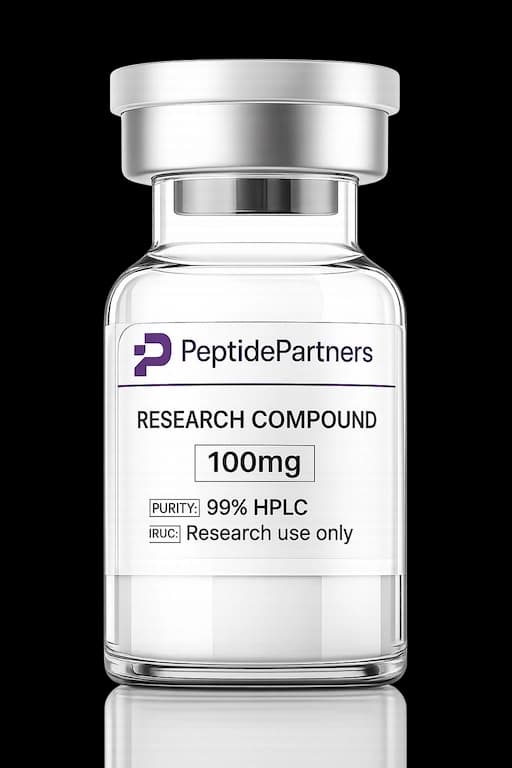
PT-141 (10mg vials)
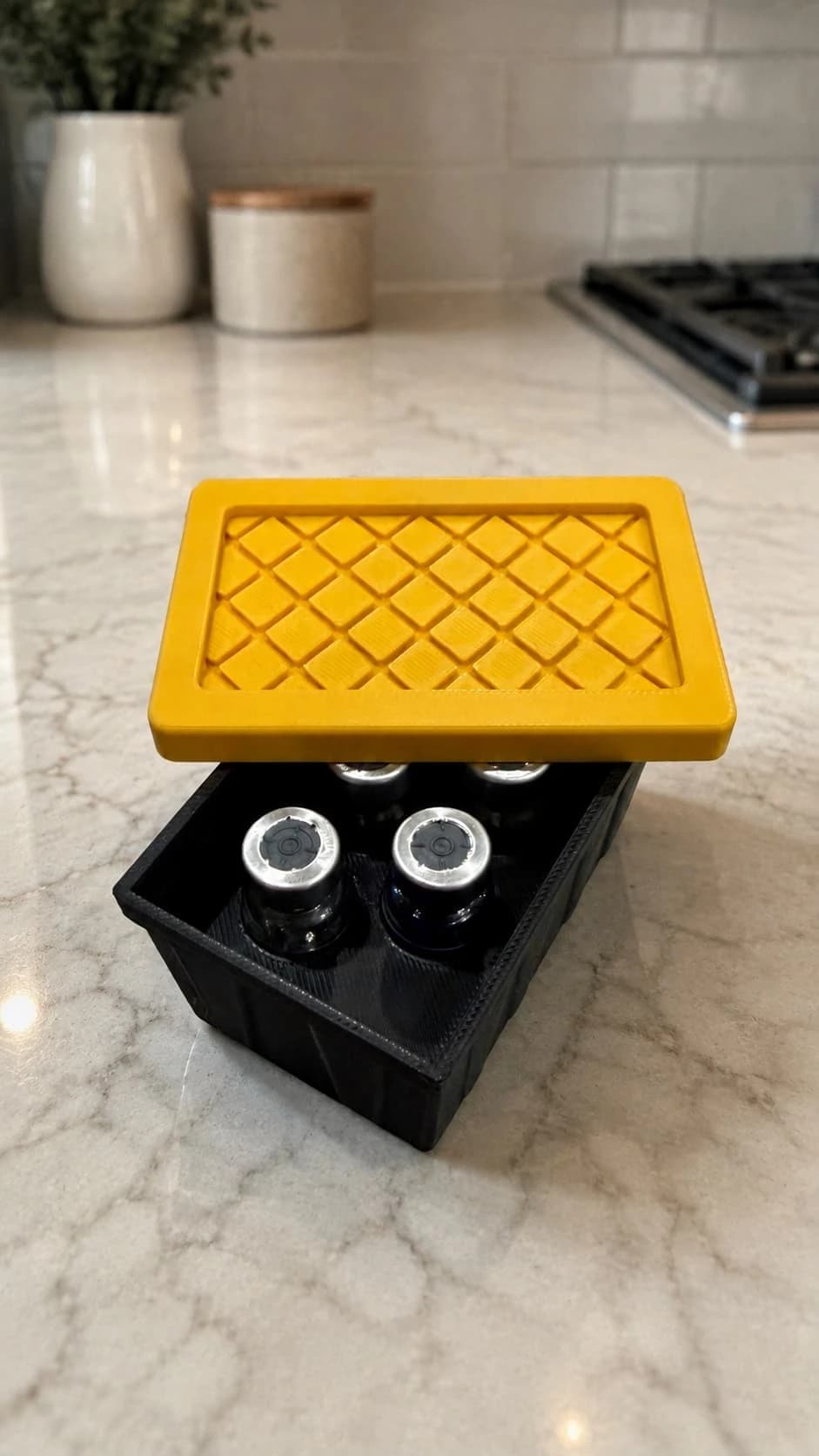
5-Vial Tote Case
At-Home Blood Test
Research Supplies
Disclosure: supply links may earn PDP a commission at no cost to you.
Peptide Vials (10 mg research vial assumed)
At 1.75 mg per dose and 8 doses per month maximum, one 10 mg vial covers approximately 5-6 label-allowed doses.
| Plan length | Planning note |
|---|---|
1 month 2 vials | 8 doses needed; 2 vials provide ~11 doses with margin. |
2 months 3 vials | 16 doses needed; 3 vials provide ~17 doses. |
3 months 5 vials | 24 doses needed; 5 vials provide ~28 doses with margin. |
1 month
2 vials
8 doses needed; 2 vials provide ~11 doses with margin.
2 months
3 vials
16 doses needed; 3 vials provide ~17 doses.
3 months
5 vials
24 doses needed; 5 vials provide ~28 doses with margin.
Insulin Syringes (U-100)
0.3 mL / 30-unit syringes are easier to read for the 35-unit (0.35 mL) draw at 5 mg/mL concentration.
| Plan length | Planning note |
|---|---|
1 month 10 syringes | 8 injections; 2 spares for priming/dropped syringes. |
2 months 20 syringes | 16 injections; small spare margin. |
3 months 30 syringes | 24 injections; small spare margin. |
1 month
10 syringes
8 injections; 2 spares for priming/dropped syringes.
2 months
20 syringes
16 injections; small spare margin.
3 months
30 syringes
24 injections; small spare margin.
Bacteriostatic Water
Use 2 mL per 10 mg vial for the math used here. One 10 mL bottle covers up to five 10 mg vials.
| Plan length | Planning note |
|---|---|
1 month, 2 months, 3 months 1 x 10 mL bottle | 1 month: Two vials use 4 mL total; large margin.; 2 months: Three vials use 6 mL total.; 3 months: Five vials use 10 mL total; consider a second bottle for margin. |
1 month, 2 months, 3 months
1 x 10 mL bottle
1 month: Two vials use 4 mL total; large margin.; 2 months: Three vials use 6 mL total.; 3 months: Five vials use 10 mL total; consider a second bottle for margin.
Round up for priming losses, dropped syringes, and stability margin. Supplies math here assumes the maximum 8 doses per month allowed under the Vyleesi label; actual personal use varies and is not advised by this page.
Companion Supplies & Routine Support
PT-141 (Bremelanotide) Reconstitution Calculator

Powered by PepPal
PT-141 (Bremelanotide) Reconstitution Calculator
Start with the protocol example, then customize every field.
Loaded reference
PDP research-vial example
This calculator does not apply to Vyleesi autoinjectors or nasal products.
Your draw
35units
0.35 mL on a U-100 insulin syringe
- Concentration
- 5 mg/mL
- Target in mg
- 1.75 mg
- Math-only doses per vial
- 5.7
One free emailed save per person, checked by PepPal.
Educational calculation tool only. The loaded amount is a reference from this page, not a personal dose recommendation. Confirm the vial label, route, syringe type, and actual liquid added before relying on a result.
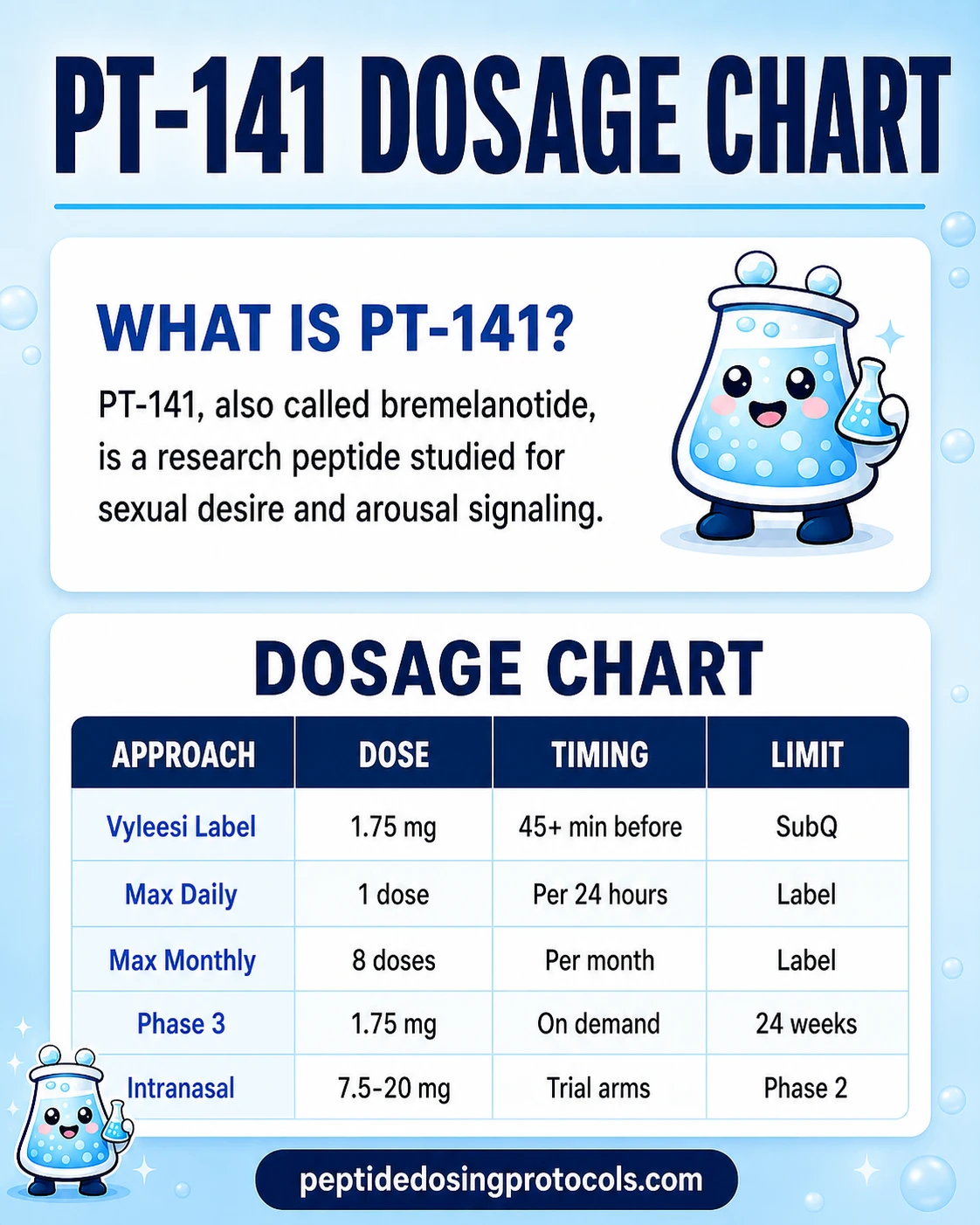
PT-141 Dosage Chart
This PT-141 dosage chart summarizes the Vyleesi label, Phase 3, and intranasal trial dose contexts shown in the dosing section above.
PT-141 Reconstitution Guide
Reconstitution applies to research-grade lyophilized PT-141 vials. The FDA-approved Vyleesi product is sold as a pre-filled autoinjector and does not require reconstitution. The math below describes what concentration results from a generic 10 mg research vial with different bacteriostatic water volumes.
10 mg research vial reconstitution math
BAC water added
1 mL
Final concentration
10 mg/mL
0.10 mL draw delivers
1.0 mg
Volume to deliver 1.75 mg
0.175 mL (~17.5 units on a U-100 syringe)
BAC water added
2 mL
Final concentration
5 mg/mL
0.10 mL draw delivers
0.5 mg
Volume to deliver 1.75 mg
0.35 mL (~35 units on a U-100 syringe)
BAC water added
2.5 mL
Final concentration
4 mg/mL
0.10 mL draw delivers
0.4 mg
Volume to deliver 1.75 mg
0.4375 mL (~43.75 units on a U-100 syringe)
| BAC water added | Final concentration | 0.10 mL draw delivers | Volume to deliver 1.75 mg |
|---|---|---|---|
| 1 mL | 10 mg/mL | 1.0 mg | 0.175 mL (~17.5 units on a U-100 syringe) |
| 2 mL | 5 mg/mL | 0.5 mg | 0.35 mL (~35 units on a U-100 syringe) |
| 2.5 mL | 4 mg/mL | 0.4 mg | 0.4375 mL (~43.75 units on a U-100 syringe) |
Concentration is based on simple dilution math. This is not a personal dosing recommendation.
- 01
Inspect the vial
Check the label, lot number, and that the lyophilized cake or powder looks intact and uncolored.
- 02
Wipe the stopper
Use a fresh alcohol swab on the stopper of both the BAC water vial and the PT-141 vial.
- 03
Draw bacteriostatic water
Pull the chosen volume of BAC water into a syringe (commonly 2 mL for a 10 mg vial).
- 04
Add water slowly
Inject the BAC water onto the inner wall of the PT-141 vial rather than directly onto the powder.
- 05
Swirl, do not shake
Roll the vial gently between your palms until fully clear. Shaking can damage the peptide.
- 06
Inspect the solution
It should be clear and colorless. Do not use if cloudy or discolored.
- 07
Refrigerate
Store reconstituted PT-141 at 36-46°F (2-8°C) and label the date.
Calculator
For other vial sizes or BAC water volumes, use the reconstitution calculator to confirm draw volume.
How PT-141 Works
PT-141 increases sexual desire and arousal by acting on the brain. It is a cyclic heptapeptide that activates two of the five melanocortin receptors, MC3R and MC4R. These receptors are densely expressed in the hypothalamus, especially in the paraventricular nucleus (PVN), which is one of the brain's main control hubs for autonomic and reproductive function.
When MC4R is activated in the PVN, it stimulates downstream oxytocin neurons that project to the spinal cord and influence sexual response. This is a centrally-initiated mechanism. PT-141 does not work by changing penile blood flow the way a PDE5 inhibitor like sildenafil does. That difference is why PT-141 affects desire, while sildenafil affects mechanical erectile function.
PT-141 also has moderate affinity for MC1R (the pigmentation receptor) and negligible activity at MC2R (the cortisol-axis receptor) or MC5R. The MC1R activity is part of why darkening of the skin, gums, or breasts is listed as a possible adverse effect on the Vyleesi label.
Receptor target
Cyclic heptapeptide agonist of MC3R and MC4R; moderate MC1R; negligible MC2R/MC5R.
Central pathway
PVN MC4R activation → oxytocin release → spinal cord autonomic output influencing sexual response.
Pharmacology
Cyclic backbone and D-Phe7 substitution improve enzymatic stability versus linear MSH analogs.
Who PT-141 Is For and Who Should Avoid It
FDA-approved population (Vyleesi)
Vyleesi is approved only for premenopausal women with acquired, generalized HSDD that is not better explained by a medical or psychiatric condition, relationship distress, or medication side effects. The Vyleesi label states that postmenopausal women and men should not use it, and that it is not approved to enhance sexual performance. There is no FDA-approved PT-141 protocol for any other population.
Use in Women: FDA-Approved Indication Notes
Women in the RECONNECT Phase 3 program self-administered 1.75 mg bremelanotide on demand and showed significant improvements in desire and reduced distress versus placebo over 24 weeks. The 1.75 mg dose was used regardless of body weight. The label does not advise weight-based dose adjustment. This is not a dosing recommendation.
Should not use
The Vyleesi label and the Mayo Clinic drug summary state that PT-141 should not be used in people with uncontrolled hypertension or known cardiovascular disease, because of the transient blood pressure rise after dosing. It is also not recommended during pregnancy or while planning pregnancy, and there is no adequate safety data for breastfeeding.
Use with caution
Severe kidney or liver disease may slow clearance. Conditions that delay gastric emptying may worsen with PT-141 because melanocortin agonism slows gastric emptying. Naltrexone is listed as a notable interaction (PT-141 may reduce naltrexone exposure when both are used). PT-141 should not be combined with another melanocortin agonist such as Melanotan II, because the receptors overlap and the safety of combined exposure has not been studied.
PT-141 Side Effects & Safety
Side effect rates below come from the FDA-approved Vyleesi label and from the Phase 3 RECONNECT trial publication (Kingsberg 2019). The most common adverse event was nausea, reported by about 40% of bremelanotide users at the 1.75 mg dose. Most events were mild to moderate, decreased over time with repeat use, and did not lead to discontinuation in most participants.
Nausea
Most common; reported in roughly 40% of bremelanotide users in Phase 3 trials. Usually mild and decreasing over time.
Flushing
Common, especially in the first hour after dosing.
Headache
Reported in a subset of users.
Injection site reactions
Redness, soreness, or itching at the injection site is the most common local effect.
Transient blood pressure rise
Typically a few mmHg systolic, peaking within hours and returning to baseline. The label contraindicates use in uncontrolled hypertension and CV disease.
Skin/gum/breast darkening
Listed on the label, more likely with daily or near-daily use; tied to MC1R activity. Rare with the labeled on-demand schedule.
Theoretical and route-specific risks
Intranasal PT-141 sold as a compounded product has not been evaluated in Phase 3 trials. Per-spray delivery varies with device, technique, and nasal congestion, which makes consistent dosing harder. Quality control for any non-FDA-approved peptide product is a separate risk and is one reason the Vyleesi label dose is anchored to a sealed autoinjector formulation.
Important
PT-141 should not be combined with Melanotan II or other melanocortin agonists. The receptor overlap means safety effects can compound, and there is no clinical data supporting that combination.
PT-141 Timeline & What to Monitor
Vyleesi is dosed at least 45 minutes before sexual activity because clinical trials structured the protocol around that interval. This timing reflects the trial design, not a personal use recommendation.
Reported subcutaneous PT-141 timeline
Time after subQ dose
0-30 minutes
What was reported
Possible flushing; nausea may begin
Source context
Vyleesi label / RECONNECT trial reports
Time after subQ dose
30-60 minutes
What was reported
Pharmacodynamic effects begin
Source context
Phase 3 trial protocol design
Time after subQ dose
1-3 hours
What was reported
Reported peak effect window
Source context
Trial-reported timing
Time after subQ dose
4-12 hours
What was reported
Effects taper; nausea typically resolves within hours
Source context
Vyleesi label
| Time after subQ dose | What was reported | Source context |
|---|---|---|
| 0-30 minutes | Possible flushing; nausea may begin | Vyleesi label / RECONNECT trial reports |
| 30-60 minutes | Pharmacodynamic effects begin | Phase 3 trial protocol design |
| 1-3 hours | Reported peak effect window | Trial-reported timing |
| 4-12 hours | Effects taper; nausea typically resolves within hours | Vyleesi label |
These intervals describe what was reported in trials and on the FDA label, not what any individual will experience.
What to monitor in a research or clinical context: blood pressure (because of the transient rise), nausea severity, and any darkening of the skin, gums, or breasts (especially with frequent use). The Vyleesi label suggests a clinician check-in if the condition has not improved after 8 weeks. Long-term safety beyond the 76-week extension period reported in Simon 2019 has not been formally established.
PT-141 Clinical Evidence Context
Direct human evidence for PT-141 is strongest in one population: premenopausal women with HSDD. The two RECONNECT Phase 3 trials (Kingsberg 2019) enrolled approximately 1,200 women across both studies, used 1.75 mg subcutaneous bremelanotide on demand for 24 weeks, and met both co-primary endpoints (improved desire score and reduced distress) at p < 0.001 in the integrated analysis. A 52-week open-label extension (Simon 2019) reported a consistent safety profile through longer use.
Phase 3 (women, HSDD)
RECONNECT trials, ~1,200 women, 1.75 mg SC on demand, 24 weeks. Significant gains in desire and reduction in distress vs placebo. Basis of FDA approval.
Long-term safety (women, HSDD)
52-week open-label extension supported the on-demand 1.75 mg SC dose with no new safety signals.
Phase 2 (men, ED, intranasal)
Diamond 2006 reported pro-erectile effects of intranasal PT-141 in men with ED. Pharmaceutical development moved to injectable; intranasal route was not advanced to Phase 3.
Phase 2 (women, arousal)
Safarinejad 2008 and Clayton 2016 evaluated bremelanotide in female sexual dysfunction; informed the Phase 3 dose selection of 1.75 mg.
Mechanism / preclinical
Pfaus 2004 in rats showed melanocortin agonism increases sexual solicitation behavior; consistent with the central mechanism via PVN MC4R.
What the evidence does not establish: there is no Phase 3 evidence supporting PT-141 use in men, in postmenopausal women, or via the intranasal route for any indication. Use outside the FDA-approved Vyleesi protocol relies on Phase 2 data, label-extrapolation, or community-derived practice. The pharmacology is well-characterized; the human efficacy outside the female HSDD indication is not.
PT-141 Storage & Handling
Storage reference
State
Lyophilized (Powder Form)
Storage
-4°F (-20°C) long-term; refrigerator acceptable short-term
Notes
Use the supplier's stability data when available.
State
Reconstituted (Liquid Form)
Storage
35.6-46.4°F (2-8°C)
Notes
Inspect each draw for clarity; discard if cloudy or discolored.
State
Vyleesi autoinjector
Storage
Room temperature, away from heat, moisture, and direct light; do not freeze
Notes
Per the FDA-approved label.
| State | Storage | Notes |
|---|---|---|
| Lyophilized (Powder Form) | -4°F (-20°C) long-term; refrigerator acceptable short-term | Use the supplier's stability data when available. |
| Reconstituted (Liquid Form) | 35.6-46.4°F (2-8°C) | Inspect each draw for clarity; discard if cloudy or discolored. |
| Vyleesi autoinjector | Room temperature, away from heat, moisture, and direct light; do not freeze | Per the FDA-approved label. |
Storage information for research-grade vials is general practice; supplier label and stability data take priority. Vyleesi storage follows the FDA label.
Reconstituted research-grade PT-141 is commonly described as stable for several weeks under refrigeration, though stability depends on the supplier's specific formulation. Do not freeze reconstituted solution. Use a fresh alcohol swab on the stopper before each draw.
PT-141 Protocol Mistakes & Troubleshooting
- 01
Cloudy or discolored solution
Do not use. Discard and start with a new vial.
- 02
Wrong BAC water volume added
Recalculate the new concentration before dosing. Do not assume the original target volume still applies.
- 03
Used unpreserved sterile water instead of bacteriostatic water
Bacteriostatic water contains benzyl alcohol as a preservative; sterile water without preservative is intended for single-use only and is not a substitute for multi-dose vials.
- 04
Significant nausea after a dose
The Vyleesi label notes nausea is most common at first use and tends to decrease over time. The label lists anti-emetic medication as a clinician option.
- 05
Injection site reaction
The Vyleesi label directs rotating sites between the abdomen and thigh. Persistent reactions warrant clinician review.
- 06
Inconsistent intranasal dosing
Per-spray delivery varies with device, congestion, and technique. There is no Phase 3-validated intranasal protocol; this is one reason the FDA-approved route is subcutaneous.
- 07
Skin or gum darkening
This is more likely with frequent use and should be discussed with a clinician; the Vyleesi label addresses it directly.
If significant chest pain, severe headache, fainting, or signs of an allergic reaction occur, seek qualified medical care. This page does not provide emergency guidance.
PT-141 Regulatory Status
As of June 2026, bremelanotide is FDA-approved as Vyleesi for the treatment of acquired, generalized hypoactive sexual desire disorder (HSDD) in premenopausal women. The approval was granted by the U.S. FDA on June 21, 2019. There is no FDA approval for any other indication or population.
FDA-approved drug
Vyleesi (bremelanotide injection), 1.75 mg subcutaneous, premenopausal women with HSDD, approved 2019.
Off-label / research use
PT-141 use in men, postmenopausal women, or via intranasal route is off-label and not FDA-approved.
Compounded products
Compounded nasal sprays sold through some men's clinics are not FDA-approved formulations and dosing varies by pharmacy.
International approvals
Approvals outside the U.S. vary; check local regulators for current status.
PT-141 vs PDE5 Inhibitors vs Melanotan II
PT-141 compared with other compounds in adjacent search clusters
Mechanism
PT-141 (bremelanotide)
Central MC3R/MC4R agonist
Sildenafil / Tadalafil
Peripheral PDE5 inhibitor (vascular smooth muscle)
Melanotan II
Non-selective melanocortin agonist
Effect target
PT-141 (bremelanotide)
Sexual desire and arousal
Sildenafil / Tadalafil
Erectile function (mechanical)
Melanotan II
Pigmentation; some libido effects
FDA approval
PT-141 (bremelanotide)
Yes - Vyleesi for premenopausal women with HSDD
Sildenafil / Tadalafil
Yes - erectile dysfunction (men)
Melanotan II
No - not FDA-approved for any indication
Route
PT-141 (bremelanotide)
Subcutaneous injection (or investigational intranasal)
Sildenafil / Tadalafil
Oral
Melanotan II
Subcutaneous injection
Combination notes
PT-141 (bremelanotide)
Should not combine with Melanotan II (same receptor family)
Sildenafil / Tadalafil
No formal combination data with PT-141
Melanotan II
Should not combine with PT-141
| PT-141 (bremelanotide) | Sildenafil / Tadalafil | Melanotan II | |
|---|---|---|---|
| Mechanism | Central MC3R/MC4R agonist | Peripheral PDE5 inhibitor (vascular smooth muscle) | Non-selective melanocortin agonist |
| Effect target | Sexual desire and arousal | Erectile function (mechanical) | Pigmentation; some libido effects |
| FDA approval | Yes - Vyleesi for premenopausal women with HSDD | Yes - erectile dysfunction (men) | No - not FDA-approved for any indication |
| Route | Subcutaneous injection (or investigational intranasal) | Oral | Subcutaneous injection |
| Combination notes | Should not combine with Melanotan II (same receptor family) | No formal combination data with PT-141 | Should not combine with PT-141 |
Comparison reflects regulatory and mechanistic differences, not a recommendation.
PT-141 and PDE5 inhibitors address different problems. PT-141 affects the desire/arousal pathway centrally; PDE5 inhibitors affect blood flow peripherally. They are not interchangeable. PT-141 and Melanotan II overlap on the melanocortin receptor family and should not be combined; the safety of dual melanocortin agonism has not been formally studied.
Bremelanotide / PT-141 Blood Tests & Monitoring
Bremelanotide affects sexual-function pathways and can also affect blood pressure. Monitoring focuses on cardiovascular context, reproductive context, and medication interactions.
Blood test markers to discuss with a clinician
Marker
Blood pressure and resting heart rate
Why it matters
Bremelanotide can raise blood pressure for a period of time, so baseline cardiovascular context matters.
Timing
Baseline
Marker
Pregnancy test
Why it matters
Pregnancy status is relevant before exposure in people who can become pregnant.
Timing
Baseline
Marker
Total and free testosterone
Why it matters
Can help evaluate whether low desire is partly related to androgen status in the right clinical context.
Timing
Optional
Marker
Prolactin
Why it matters
Elevated prolactin can affect libido and may change how sexual-function symptoms are interpreted.
Timing
Optional
Marker
TSH and free T4
Why it matters
Thyroid changes can affect energy, mood, and sexual function.
Timing
Optional
| Marker | Why it matters | Timing |
|---|---|---|
| Blood pressure and resting heart rate | Bremelanotide can raise blood pressure for a period of time, so baseline cardiovascular context matters. | Baseline |
| Pregnancy test | Pregnancy status is relevant before exposure in people who can become pregnant. | Baseline |
| Total and free testosterone | Can help evaluate whether low desire is partly related to androgen status in the right clinical context. | Optional |
| Prolactin | Elevated prolactin can affect libido and may change how sexual-function symptoms are interpreted. | Optional |
| TSH and free T4 | Thyroid changes can affect energy, mood, and sexual function. | Optional |
Monitoring guidance is label-informed for cardiovascular and reproductive cautions, with optional hormone labs based on clinical context.
At-home blood test option
Easy at home option to monitor core metrics during research cycles.
Partner link: PDP may earn a commission at no cost to you.
Simple timing framework
Baseline
Discuss baseline review before use, especially if there is high blood pressure, cardiovascular disease, pregnancy potential, hormone therapy, or psychiatric medication use.
Follow-up
Re-check blood pressure and relevant symptoms after initial use or dose changes.
Longer term
For repeated use, review cardiovascular symptoms, medication changes, and reproductive health history periodically.
How to interpret the labs
- Blood pressure history is especially important because this pathway can have short-term cardiovascular effects.
- Sexual desire can be affected by medications, mood, relationship context, hormones, sleep, and pain.
- Do not use lab results alone to explain complex sexual-function symptoms.
Do not wait for routine labs
Chest pain, severe headache, fainting, or severe blood pressure symptoms need medical review. Persistent nausea, allergic symptoms, or darkening skin changes should be discussed with a clinician.
FAQ
Q1: What is PT-141?
PT-141 is the research name for bremelanotide, a synthetic cyclic heptapeptide that activates melanocortin MC3R and MC4R receptors in the brain. It is FDA-approved as Vyleesi for premenopausal women with acquired, generalized hypoactive sexual desire disorder (HSDD). It is not the same kind of drug as sildenafil or tadalafil; it works centrally on desire rather than peripherally on blood flow.
Q2: What is the FDA-approved PT-141 dose?
The FDA-approved Vyleesi label lists 1.75 mg subcutaneous, given at least 45 minutes before sexual activity, with no more than one dose in 24 hours and no more than 8 doses per month. This is the only PT-141 protocol that has been evaluated in Phase 3 trials.
Q3: Is PT-141 approved for men?
No. The FDA approval (Vyleesi) is specifically for premenopausal women with HSDD. The Vyleesi label states that men and postmenopausal women should not use it. Phase 2 evidence in men with erectile dysfunction exists (Diamond 2006, intranasal route), but pharmaceutical development did not advance that route to Phase 3.
Q4: Is PT-141 nasal spray FDA-approved?
No. The FDA-approved bremelanotide product is an injection (Vyleesi). Intranasal PT-141 was studied in Phase 2 but was never advanced to Phase 3 or approved. Compounded nasal sprays sold through some clinics are not FDA-approved formulations, and dose delivery varies by device and pharmacy.
Q5: How long does PT-141 take to work?
The Vyleesi label and Phase 3 trial design use a ≥45-minute interval before sexual activity. Reported peak effects in trials fell roughly in the 1-3 hour window, with effects gradually tapering after that. Individual experience varies and trial timelines are not personal predictions.
Q6: What are the most common side effects?
Nausea is the most common adverse event, reported in about 40% of bremelanotide users in the Phase 3 RECONNECT trials at the 1.75 mg dose. Most cases were mild to moderate and decreased with repeat use. Other reported effects include flushing, headache, injection-site reactions, and a small transient increase in blood pressure. The label also warns about possible darkening of the skin, gums, or breasts, mainly with frequent use.
Q7: Who should avoid PT-141?
The Vyleesi label says PT-141 should not be used by people with uncontrolled hypertension or known cardiovascular disease, by men, by postmenopausal women, during pregnancy, or in pediatric patients. People taking naltrexone, or with severe kidney/liver disease or conditions affecting gastric emptying, should approach with extra caution and clinical input.
Q8: Can PT-141 be combined with sildenafil or tadalafil?
There is no formal clinical evidence combining PT-141 with PDE5 inhibitors. The mechanisms are different (central vs vascular), and the cardiovascular profiles differ as well. Any combination should involve a clinician, especially because PT-141 transiently raises blood pressure while PDE5 inhibitors lower it.
Q9: Can PT-141 be combined with Melanotan II?
It should not. PT-141 and Melanotan II both act on the melanocortin receptor family, and combining two melanocortin agonists has not been studied for safety. Receptor overlap means side effects can compound.
Q10: How is PT-141 reconstituted?
Vyleesi is sold as a pre-filled autoinjector and does not require reconstitution. For research-grade lyophilized vials, a 10 mg vial reconstituted with 2 mL of bacteriostatic water yields 5 mg/mL, which makes a 1.75 mg dose roughly 0.35 mL or 35 units on a U-100 insulin syringe. Use a fresh alcohol swab on the stopper, add water gently along the inner wall of the vial, swirl until clear, and refrigerate.
Q11: Does Peptide Dosing Protocols recommend a specific dose for me?
No. Peptide Dosing Protocols publishes label-derived and trial-derived protocol information for educational research purposes. We do not provide personal dosing recommendations. Personal use decisions should be made with a qualified clinician.
Q12: Is this medical advice?
No. This page is an educational summary of the FDA-approved Vyleesi label and the published clinical trial evidence on bremelanotide (PT-141). It is not medical advice and is not a substitute for clinical consultation.
Sources & Research
- 1. Mayo Clinic / Merative Micromedex Bremelanotide (subcutaneous route) — Description and Dosing. Mayo Clinic Drugs & Supplements (2026)
- 2. Kingsberg SA, Clayton AH, Portman D, et al. Bremelanotide for the Treatment of Hypoactive Sexual Desire Disorder: Two Randomized Phase 3 Trials. Obstetrics & Gynecology (2019)
- 3. Simon JA, Kingsberg SA, Portman D, et al. Long-Term Safety and Efficacy of Bremelanotide for Hypoactive Sexual Desire Disorder. Obstetrics & Gynecology (2019)
- 4. Clayton AH, Althof SE, Kingsberg S, et al. Bremelanotide for female sexual dysfunctions in premenopausal women: a randomized, placebo-controlled dose-finding trial. Women's Health (London) (2016)
- 5. Diamond LE, Earle DC, Rosen RC, Willett MS, Molinoff PB. Double-blind, placebo-controlled evaluation of the safety, pharmacokinetic properties and pharmacodynamic effects of intranasal PT-141, a melanocortin receptor agonist, in healthy males and patients with mild-to-moderate erectile dysfunction. International Journal of Impotence Research (2006)
- 6. Safarinejad MR. Evaluation of the safety and efficacy of bremelanotide, a melanocortin receptor agonist, in female subjects with arousal disorder: a double-blind placebo-controlled, fixed dose, randomized study. Journal of Sexual Medicine (2008)
- 7. Pfaus JG, Shadiack A, Van Soest T, Tse M, Molinoff P. Selective facilitation of sexual solicitation in the female rat by a melanocortin receptor agonist. Proceedings of the National Academy of Sciences USA (2004)
- 8. Simon JA, Kingsberg SA, Portman D, et al. Prespecified and Integrated Subgroup Analyses from the RECONNECT Phase 3 Studies of Bremelanotide. Journal of Women's Health (2022)
- 9. Pfaus J, Giuliano F, Gelez H. Bremelanotide: An overview of preclinical CNS effects on female sexual function. Journal of Sexual Medicine (2007)
- 10. Loti Labs (Editorial). PT-141 (Bremelanotide): Melanocortin Receptor Agonist Research Guide. Loti Labs Resources (2026)
Related Dosing Protocols

Written by Garret Grant
Founder & Lead Researcher · B.S. Civil Engineering, UCLA
Last updated: August 2026
Human-researched and AI-assisted with full editorial review. I verify sources, protocol interpretation, and final judgments personally. See methodology.
Share this page