
Lilly's retatrutide crackdown just got much bigger
Eli Lilly is no longer targeting the unapproved retatrutide market with lawsuits alone. On August 12, 2026, the company announced six new federal lawsuits and called for a much wider effort against the businesses and services that keep the market running.
In its August 12 announcement, Lilly said it has also referred more than 200 individuals and entities to regulators and law enforcement. It says it has reported more than 14,000 websites, advertisements, social media posts and product listings involving retatrutide across more than 100 countries.
The key change
The lawsuits matter, but Lilly's strategy now reaches beyond peptide sellers. The company is publicly asking payment companies, online platforms and shipping carriers to help shut down the infrastructure used to sell unapproved retatrutide.
Lilly's August 2026 retatrutide enforcement push
Action
New federal lawsuits
Scale reported by Lilly
6
Action
Individuals and entities referred to authorities
Scale reported by Lilly
More than 200
Action
Websites, ads, social posts and listings reported
Scale reported by Lilly
More than 14,000
Action
Countries covered by online reports
Scale reported by Lilly
More than 100
| Action | Scale reported by Lilly |
|---|---|
| New federal lawsuits | 6 |
| Individuals and entities referred to authorities | More than 200 |
| Websites, ads, social posts and listings reported | More than 14,000 |
| Countries covered by online reports | More than 100 |
The referral and online-report figures are figures reported by Eli Lilly. They are not independent enforcement totals from FDA or DOJ.
Who did Eli Lilly sue?
The six cases were filed against a mix of peptide sellers, a pharmacy and businesses Lilly describes as medical or wellness providers. Lilly alleges that the defendants sold unapproved retatrutide products to U.S. consumers.
Six lawsuits announced by Eli Lilly on August 12, 2026
Defendant
Aesthetic Envy Cosmetic Centers LLC
Federal court listed by Lilly
Northern District of California
Defendant
Astra LLC, doing business as Astra Peptides
Federal court listed by Lilly
Western District of Texas
Defendant
Legendary Peptides, LLC
Federal court listed by Lilly
Eastern District of Texas
Defendant
Striker Pharmacy, LLC
Federal court listed by Lilly
Southern District of Texas
Defendant
Texas Peptides Inc.
Federal court listed by Lilly
Western District of Texas
Defendant
Lone Star Peptide Co.
Federal court listed by Lilly
Southern District of Texas
| Defendant | Federal court listed by Lilly |
|---|---|
| Aesthetic Envy Cosmetic Centers LLC | Northern District of California |
| Astra LLC, doing business as Astra Peptides | Western District of Texas |
| Legendary Peptides, LLC | Eastern District of Texas |
| Striker Pharmacy, LLC | Southern District of Texas |
| Texas Peptides Inc. | Western District of Texas |
| Lone Star Peptide Co. | Southern District of Texas |
These are newly filed lawsuits. Allegations in a complaint are not the same as a final court finding.
The cases are important because Lilly is targeting several parts of the market at once. Its announcement specifically refers to compounding pharmacies, medical spas and online sellers, including sellers that describe their products as being for research use only.
Lilly is now targeting the infrastructure behind sellers
The most important part of Lilly's announcement may not be the lawsuits at all. Lilly is asking other companies to make it harder for unapproved retatrutide sellers to operate.
Credit card companies
Lilly is asking card companies and payment processors to cut off the financial infrastructure used by sellers.
Social media
The company wants social platforms to block accounts and content used to market unapproved retatrutide.
E-commerce platforms
Lilly is asking online marketplaces and commerce platforms to stop enabling sales.
Shipping and logistics
The company is calling on shipping and logistics businesses to stop supporting what Lilly describes as illegal trade.
Government agencies
Lilly says it is working with regulators, customs authorities, law enforcement and licensing boards in the U.S. and other countries.
This creates a different type of pressure. A seller does not need to lose a lawsuit to face a major business problem. Losing card processing, advertising access, an e-commerce account or shipping support could also interrupt operations.
An important distinction
Lilly is calling on these companies to act. Its announcement does not establish that every major card network, processor, social platform or shipping carrier has adopted a new blanket ban on retatrutide sellers.
"Research Use Only" is now at the center of the fight
For the research peptide market, one part of this campaign stands out. Lilly specifically says some of its new lawsuits involve businesses that claimed products were for "research-use only" while allegedly marketing them for human use.
Recent FDA enforcement shows the same approach. FDA warning letters repeatedly state that a research-only disclaimer does not end the agency's review. FDA looks at the full context surrounding how a product is presented and sold.
A March 2026 warning letter to Gram Peptides noted that products were labeled "Research Use Only" and not intended for human consumption. FDA still concluded that other statements on the website showed an intended human drug use.
That distinction matters. A disclaimer may describe what a seller says a product is for, but FDA can also examine product pages, educational material, accessories, social content and other surrounding evidence when deciding how a product is actually being marketed.
What evidence has FDA actually cited?
FDA's 2026 warning letters give unusually clear examples of the evidence the agency is examining. These are not hypothetical concerns. They are examples taken directly from published enforcement letters.
Examples FDA cited when evaluating intended human use
FDA action
Gram Peptides
Evidence discussed by FDA
Human weight, appetite, glucose and metabolic claims on product pages; bacteriostatic water sold alongside injectable peptide products.
FDA action
Mile High Compounds
Evidence discussed by FDA
Research-only language appeared alongside peptide sheets that listed uses, dosing and titration schedules; BAC water was also sold with the products.
FDA action
Prime Sciences
Evidence discussed by FDA
Product pages discussed weight loss and other human effects; a reconstitution kit containing BAC water and a syringe was sold alongside peptide products.
| FDA action | Evidence discussed by FDA |
|---|---|
| Gram Peptides | Human weight, appetite, glucose and metabolic claims on product pages; bacteriostatic water sold alongside injectable peptide products. |
| Mile High Compounds | Research-only language appeared alongside peptide sheets that listed uses, dosing and titration schedules; BAC water was also sold with the products. |
| Prime Sciences | Product pages discussed weight loss and other human effects; a reconstitution kit containing BAC water and a syringe was sold alongside peptide products. |
These examples describe FDA's stated reasoning in individual warning letters. They do not mean that one item by itself automatically determines the legal status of every website or product.
In the Mile High Compounds warning letter, FDA pointed to a peptide cheat sheet that included specific human-use claims and dosing schedules even though the storefront described the compounds as being for in-vitro research and education only.
In the Prime Sciences warning letter, FDA also cited a reconstitution kit containing bacteriostatic water and a syringe as evidence supporting its intended-use analysis.
Changing the peptide name may not change the analysis
Some research peptide stores use shortened or coded names instead of the full drug name. Recent FDA letters show that this does not necessarily stop the agency from identifying the compound.
FDA identified "GLP-1-R peptide" as retatrutide in its Gram Peptides letter. In the Mile High Compounds letter, FDA identified "GLP-3 RT" as retatrutide and reviewed the content connected to that coded product.
What the warning letters show
FDA's analysis focuses on more than the name printed on a vial or product page. The agency can look at what the compound is, how it is described, what information surrounds it and how related products are presented.
FDA says retatrutide cannot be compounded
Retatrutide remains an investigational molecule. It is in Phase 3 development and has not been approved for human use by FDA or another regulatory agency.
FDA goes further than simply saying retatrutide is unapproved. On its current GLP-1 enforcement page, the agency states that retatrutide and cagrilintide cannot be used in compounding under federal law.
FDA says neither compound is a component of an FDA-approved drug and neither has been found safe and effective for any condition. The agency also says it has warned telehealth companies, API distributors and outsourcing facilities about retatrutide-related activity.
Compounding and research sales are separate questions
FDA's statement about compounding does not mean every research transaction is automatically the same legal situation. The agency's warning letters show that intended use and the facts surrounding each sale can matter. Businesses facing these questions should rely on qualified legal counsel rather than a website disclaimer.
The FDA crackdown was already growing
Lilly's lawsuits are arriving during a much wider federal push against unapproved GLP-1 products.
In February 2026, FDA announced plans for stronger action against GLP-1 active pharmaceutical ingredients being used in mass-marketed, non-FDA-approved compounded drugs.
One month later, FDA announced warning letters to 30 telehealth companies over marketing practices involving compounded GLP-1 products.
FDA also issued several peptide-vendor warning letters in March 2026. Together, these actions show that the August retatrutide lawsuits did not appear in isolation. Regulatory pressure had already been building.
What about the reported 90,000 seized vials?
One number spreading quickly through the peptide market is nearly 90,000 vials seized in July. The number is real, but it needs context.
Reuters reported that U.S. Customs and Border Protection said seizures rose to nearly 90,000 vials in July 2026.
They were not all retatrutide
The CBP figure Reuters reported covered illicit GLP-1 products more broadly. It should not be described as 90,000 retatrutide vials.
What this means for the GLP grey market
The clearest change is that enforcement is spreading from individual products and sellers to the systems that allow those sellers to reach customers.
Legal pressure
Lilly is suing selected sellers and says it has referred hundreds of other people and businesses to government agencies.
Regulatory pressure
FDA has issued warning letters involving retatrutide and other GLP products and has clearly stated its position on retatrutide compounding.
Import pressure
FDA and customs authorities have increased attention on GLP-1 APIs and finished products entering the United States.
Platform pressure
Lilly says it has reported thousands of websites, ads, posts and listings and wants platforms to remove them.
Payment pressure
Lilly is openly asking credit card companies and payment processors to stop providing infrastructure to sellers.
Shipping pressure
Shipping and logistics companies are also part of Lilly's public call for action.
Taken together, this looks less like an effort to sue every peptide website one at a time and more like an attempt to make the unapproved consumer retatrutide market harder to operate at every level. That is an inference from the pattern of actions, not a statement of Lilly's private strategy.
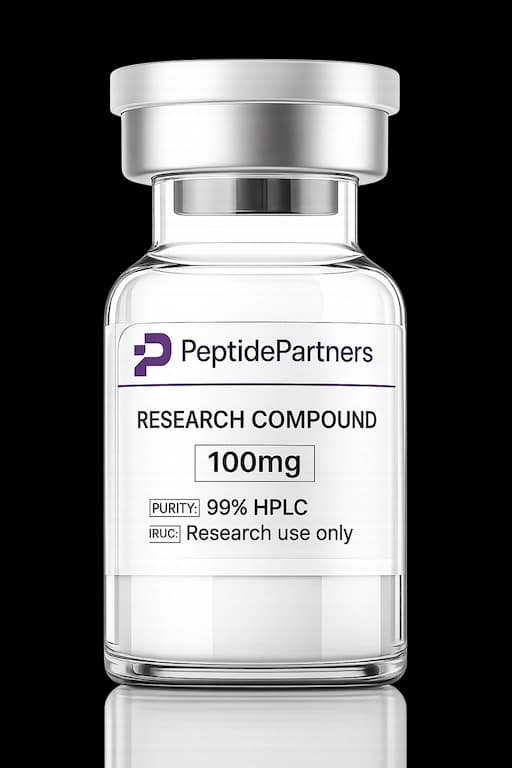
Peptide Partners Retatrutide Research Supply
For current product and testing context, read our Peptide Partners retatrutide review. It checks the 24mg listing, current batch details, and independent testing history. Confirm the live batch, available documents, vial quantity, price, and stock before ordering for qualified laboratory research.
Retatrutide Research Supply
Use discount code PEPPAL at Peptide Partners checkout. See why we love Peptide Partners.
Peptide Partners Retatrutide (24mg Vials)
5-Vial Tote Case
At-Home Blood Test
Research Supplies
Disclosure: supply links may earn PDP a commission at no cost to you.
Affiliate disclosure: PDP may earn a commission from eligible links at no added cost to you. This section covers qualified laboratory research supplies only. Product details, testing, prices, stock, and discount terms can change.
Companion Supplies & Routine Support
What Lilly's announcement does not prove
The scale of the announcement makes it easy to overstate what has already happened. There are several important limits.
- The six lawsuits contain allegations. Filing a lawsuit does not itself prove every claim made in the complaint.
- Lilly's 200+ referral figure means the company says it sent information to authorities. A referral does not mean every person or company will face an enforcement action.
- Reporting more than 14,000 sites, ads, posts and listings does not mean every item was removed.
- Lilly is asking payment processors, card networks, carriers and platforms to take action. Its announcement does not say that every major company has adopted a universal cutoff policy.
- The nearly 90,000-vial customs figure reported by Reuters refers to illicit GLP-1 products broadly, not retatrutide alone.
What happens next?
The next few months should show whether Lilly's campaign changes the market beyond the six named defendants.
Court rulings
The new cases may provide more detail on the legal arguments Lilly is using against different types of sellers.
FDA warning letters
New letters could show whether FDA continues applying the same intended-use analysis to research peptide storefronts.
Payment policies
Changes from major processors or card networks would be one of the clearest signs that Lilly's infrastructure strategy is having a wider effect.
Platform enforcement
Social and e-commerce platforms may face more pressure to remove accounts, advertisements and listings involving unapproved retatrutide.
Retatrutide regulatory filing
Lilly says it now has Phase 3 data supporting planned global submissions. Retatrutide still remains investigational until regulators review and approve it.
For now, the biggest takeaway is simple: the retatrutide grey-market fight has moved well beyond a disclaimer printed on a product page. Lilly and FDA are both looking at the broader system around how these compounds are marketed, sold and distributed.
Eli Lilly Retatrutide Crackdown FAQ
Q1: What did Eli Lilly announce in August 2026?
On August 12, 2026, Lilly announced six federal lawsuits involving alleged sales of unapproved retatrutide. Lilly also said it had referred more than 200 individuals and entities to authorities and reported more than 14,000 websites, ads, social posts and listings.
Q2: Which companies did Eli Lilly sue over retatrutide?
Lilly listed Aesthetic Envy Cosmetic Centers, Astra LLC doing business as Astra Peptides, Legendary Peptides, Striker Pharmacy, Texas Peptides and Lone Star Peptide Co. as defendants in the six newly announced cases.
Q3: Is retatrutide FDA approved?
No. As of August 14, 2026, retatrutide remains investigational and has not been approved by FDA or another regulatory agency for human use.
Q4: Can a pharmacy compound retatrutide?
FDA currently states that retatrutide cannot be used in compounding under federal law. FDA says retatrutide is not a component of an FDA-approved drug and has not been found safe and effective for any condition.
Q5: Does a Research Use Only label protect a retatrutide seller?
A research-only label does not by itself end FDA's intended-use analysis. Recent warning letters show FDA looking at the full context, including product claims, educational material, dosing information, accessories and other evidence surrounding the sale.
Q6: Why does FDA mention bacteriostatic water and syringes in peptide warning letters?
In several warning letters, FDA cited bacteriostatic water, reconstitution kits or syringes sold alongside injectable peptide products as part of its evidence when evaluating intended use. The agency did not treat the research-only disclaimer as the only relevant factor.
Q7: Are payment processors already banning all retatrutide sellers?
Lilly has publicly called on credit card companies and payment processors to cut off infrastructure used by unapproved retatrutide sellers. Lilly's August announcement does not establish that every major processor or card network has adopted a blanket ban.
Q8: Did U.S. Customs seize 90,000 retatrutide vials in July 2026?
Not according to the public reporting reviewed for this article. Reuters reported that CBP seized nearly 90,000 vials of illicit GLP-1 products in July. The figure was not limited to retatrutide.
Q9: Have the six companies already been found liable?
No. These are newly filed lawsuits. The allegations should not be treated as final court findings unless and until the cases produce rulings, settlements or other final outcomes.
Sources & References
- 1. Eli Lilly and Company Lilly calls on online platforms, payment companies and regulators to shut down the illegal retatrutide black market Eli Lilly and Company (2026)
- 2. U.S. Food and Drug Administration FDA's Concerns with Unapproved GLP-1 Drugs Used for Weight Loss FDA (2026)
- 3. U.S. Food and Drug Administration Gram Peptides - Warning Letter 721806 FDA (2026)
- 4. U.S. Food and Drug Administration Mile High Compounds LLC - Warning Letter 721600 FDA (2026)
- 5. U.S. Food and Drug Administration Prime Sciences - Warning Letter 721805 FDA (2026)
- 6. U.S. Food and Drug Administration FDA Intends to Take Action Against Non-FDA-Approved GLP-1 Drugs FDA (2026)
- 7. U.S. Food and Drug Administration FDA Warns 30 Telehealth Companies Against Illegal Marketing of Compounded GLP-1s FDA (2026)
- 8. Brendan Pierson Lilly sues six companies over alleged illegal sales of experimental obesity drug retatrutide Reuters (2026)
- 9. Eli Lilly and Company What to know about retatrutide Eli Lilly and Company (2026)
Related Dosing Protocols
Educational and news use only
Peptide Dosing Protocols is an independent educational reference. This article summarizes public enforcement actions, regulatory statements and allegations in newly filed lawsuits. It is not legal or medical advice and is not a recommendation for human use of any compound.
Follow the latest peptide research and enforcement news
Read more evidence-based coverage of peptide research, regulatory changes and developments that affect the research market.

Written by Garret Grant
Founder & Lead Researcher · B.S. Civil Engineering, UCLA
Last updated: August 2026
Human-researched and AI-assisted with full editorial review. I verify sources, protocol interpretation, and final judgments personally. See methodology.
Share this page