

What the Research Shows
5-Amino-1MQ, short for 5-amino-1-methylquinolinium, is an experimental small molecule that blocks an enzyme called NNMT. Researchers study NNMT because it helps control nicotinamide, NAD+, methyl metabolism, and energy use inside fat tissue.
The most promising 5-Amino-1MQ benefits come from mouse studies. These studies found lower body weight or fat mass, smaller fat cells, improved glucose handling, and less fat buildup in the liver. A separate study in aged mice also found better grip strength. None of these findings prove the same results will happen in people.
Human results have not been proven
The studies reviewed for this article were cell, genetic, or animal studies. We did not find a published controlled human trial showing that 5-Amino-1MQ causes weight loss, fat loss, more energy, or better body composition as of July 30, 2026.
5-Amino-1MQ evidence at a glance
Question
Does it lower body weight?
Best current answer
It lowered weight or limited weight gain in several obese-mouse studies.
Evidence level
Preclinical
Question
Does it reduce fat mass?
Best current answer
Mouse studies found lower fat mass, smaller fat cells, or less liver fat.
Evidence level
Preclinical
Question
Does it suppress appetite?
Best current answer
Food intake usually did not change, so appetite suppression is not the main supported mechanism.
Evidence level
Preclinical
Question
Does it increase energy?
Best current answer
NNMT research supports changes in cellular energy use, but a predictable stimulant-like effect has not been proven.
Evidence level
Mechanistic and anecdotal
Question
Does it work in humans?
Best current answer
A human weight-loss or body-composition benefit has not been established.
Evidence level
No controlled outcome evidence found
| Question | Best current answer | Evidence level |
|---|---|---|
| Does it lower body weight? | It lowered weight or limited weight gain in several obese-mouse studies. | Preclinical |
| Does it reduce fat mass? | Mouse studies found lower fat mass, smaller fat cells, or less liver fat. | Preclinical |
| Does it suppress appetite? | Food intake usually did not change, so appetite suppression is not the main supported mechanism. | Preclinical |
| Does it increase energy? | NNMT research supports changes in cellular energy use, but a predictable stimulant-like effect has not been proven. | Mechanistic and anecdotal |
| Does it work in humans? | A human weight-loss or body-composition benefit has not been established. | No controlled outcome evidence found |
Preclinical means cell or animal research done before human trials. These findings can explain a research target, but they do not establish a safe or effective human result.
What Does 5-Amino-1MQ Do?
5-Amino-1MQ blocks nicotinamide N-methyltransferase, usually shortened to NNMT. NNMT converts nicotinamide, a form of vitamin B3, into 1-methylnicotinamide. It also uses a methyl donor called SAM during that process.
NNMT inhibition explained
When NNMT activity is high, more nicotinamide is moved away from the NAD+ salvage pathway and more methyl groups are used. Blocking NNMT may leave more nicotinamide and SAM available for other cell processes. In a landmark mouse study, lowering NNMT increased NAD+ and SAM in fat tissue and increased energy use. That study validated NNMT as a metabolic target, but it did not test 5-Amino-1MQ in people. Kraus et al., 2014
Human research also shows that NNMT is linked to metabolic health. A study of human fat tissue found higher NNMT expression in people with insulin resistance or type 2 diabetes. Exercise and bariatric surgery were linked to lower NNMT expression. This supports the target, but it does not prove that blocking NNMT with 5-Amino-1MQ will improve human outcomes. Kannt et al., 2015
How it may affect NAD+ and metabolism
NAD+ helps cells make energy and run many repair and signaling reactions. Because NNMT uses nicotinamide, blocking NNMT may change how much nicotinamide is available for NAD+ production. Cell and mouse studies support this pathway, but there is no proof that 5-Amino-1MQ raises NAD+ enough in people to create a clear energy, longevity, or weight-loss benefit.
Does 5-Amino-1MQ give you energy?
There is no human trial showing that 5-Amino-1MQ produces a reliable energy boost. Mouse research suggests that NNMT inhibition can change energy use inside cells, and an eight-week study in aged mice found better grip strength. That is not the same as feeling stimulated, having more daily energy, or gaining muscle in humans. Dimet-Wiley et al., 2024
Some community reports mention warmth, alertness, or sleep changes. These are subjective reports, not proof of increased metabolism or fat loss. A stimulant-like feeling could also be an unwanted effect rather than a benefit.
Does 5-Amino-1MQ affect appetite?
Appetite suppression is not the main mechanism supported by the animal research. In the 11-day, 28-day, and seven-week mouse studies, food intake did not explain the body-weight or fat-mass findings. There is still no controlled human study showing whether 5-Amino-1MQ lowers, raises, or does not change appetite.
5-Amino-1MQ Benefits: Evidence by Claim
The word benefit can hide large differences in evidence. A change in mouse fat cells is not equal to a proven human result. The table below separates the main claims from what has actually been measured.
Potential 5-Amino-1MQ benefits and evidence strength
Claimed benefit
Lower body weight
What research found
Treated obese mice lost weight or gained less weight than controls in several studies.
What is not established
A predictable amount of human weight loss
Claimed benefit
Fat-mass reduction
What research found
Mouse studies found lower whole-body fat, smaller fat pads, and smaller fat cells.
What is not established
Reliable human fat loss or a specific body-fat change
Claimed benefit
Metabolic support
What research found
Mouse studies found better glucose tolerance, insulin sensitivity, or metabolic markers.
What is not established
Treatment of diabetes or metabolic disease in people
Claimed benefit
Liver-fat reduction
What research found
Obese mice showed lower liver fat and improved liver tissue findings.
What is not established
A human liver benefit or safe use in liver disease
Claimed benefit
NAD+ pathway effects
What research found
NNMT knockdown and cell research found changes in NAD+, SAM, and related pathways.
What is not established
A proven energy, anti-aging, or longevity effect
Claimed benefit
Appetite suppression
What research found
Food intake was generally unchanged in the main mouse studies.
What is not established
Reliable appetite control in people
Claimed benefit
Muscle function
What research found
Aged mice had greater grip strength after NNMT inhibitor treatment.
What is not established
Muscle gain, athletic improvement, or bodybuilding results in people
| Claimed benefit | What research found | What is not established |
|---|---|---|
| Lower body weight | Treated obese mice lost weight or gained less weight than controls in several studies. | A predictable amount of human weight loss |
| Fat-mass reduction | Mouse studies found lower whole-body fat, smaller fat pads, and smaller fat cells. | Reliable human fat loss or a specific body-fat change |
| Metabolic support | Mouse studies found better glucose tolerance, insulin sensitivity, or metabolic markers. | Treatment of diabetes or metabolic disease in people |
| Liver-fat reduction | Obese mice showed lower liver fat and improved liver tissue findings. | A human liver benefit or safe use in liver disease |
| NAD+ pathway effects | NNMT knockdown and cell research found changes in NAD+, SAM, and related pathways. | A proven energy, anti-aging, or longevity effect |
| Appetite suppression | Food intake was generally unchanged in the main mouse studies. | Reliable appetite control in people |
| Muscle function | Aged mice had greater grip strength after NNMT inhibitor treatment. | Muscle gain, athletic improvement, or bodybuilding results in people |
What benefits have not been proven?
- Predictable human weight loss or fat loss
- A guaranteed change in waist size or body-fat percentage
- Reliable appetite suppression
- A stimulant-like energy boost
- Muscle gain or improved athletic performance
- Anti-aging or longer life
- A safe long-term human cycle
Does 5-Amino-1MQ Work for Weight Loss?
Direct answer
5-Amino-1MQ has produced weight and fat changes in obese mice, but it has not been proven to cause weight loss in humans. The animal findings are promising enough for more research, but they are not a clinical result or a promise of before-and-after changes.
The 11-day mouse study
In the first major 5-Amino-1MQ obesity study, treated diet-induced obese mice lost about 5.1% of their starting body weight over 11 days. Control mice gained about 1.4%. The treated group also had about 35% less mass in one white-fat depot and more than 30% smaller fat cells. Food intake did not significantly change. Neelakantan et al., 2018
This study is important because the change was not explained by eating less. It supports a metabolic effect in mice. It does not show that a person would lose 5% of body weight in 11 days, and that number should never be converted into a human promise.
The seven-week diet-combination study
A later study combined 5-Amino-1MQ with a switch from a high-fat diet to a lower-calorie diet. After about seven weeks, the combined group had a 29.3% drop in fat mass from baseline, compared with 2.9% in mice that changed diet without the inhibitor. The combined group also had lower liver fat and a better lean-mass-to-body-weight ratio. Sampson et al., 2021
The compound was not tested alone in this study
The seven-week study tested 5-Amino-1MQ together with a major diet change. The result shows that the combination outperformed the diet change alone in mice, but it cannot tell us how much of the total change came from the compound by itself.
The 28-day metabolic study
A 2024 study gave obese mice 5-Amino-1MQ once daily for 28 days. Treatment limited body-weight and fat-mass gain without changing food intake or lean mass. It also improved glucose tolerance, insulin sensitivity, high insulin levels, liver fat, and several liver markers. Babula et al., 2024
The 2024 study adds a longer test period and more metabolic measurements. It is still an animal study, and several authors were connected to the company developing NNMT inhibitors. Independent replication and human trials are still needed.
Weight loss versus fat loss
Scale weight
Includes fat, lean tissue, water, food in the gut, and glycogen.
Fat mass
Measures stored body fat and is closer to the main outcome studied in 5-Amino-1MQ mouse research.
Lean mass
Includes muscle, organs, bone, and body water. A higher lean-mass ratio does not always mean new muscle was built.
Visual change
Can be altered by lighting, pose, hydration, and training even when body fat has not changed much.
5-Amino-1MQ Results: What Can Be Measured?
A claim that 5-Amino-1MQ is working means very little unless the result is defined. Body weight, body fat, waist size, appetite, energy, glucose markers, and side effects are different outcomes. They should not be treated as one result.
Objective and subjective 5-Amino-1MQ results
Result type
Objective
Examples
Body weight, waist size, body-fat estimate, blood markers
Main limit
Measurements can still change with hydration, device error, and testing conditions.
Result type
Subjective
Examples
Energy, warmth, hunger, sleep, mood
Main limit
A personal feeling does not prove target activity or fat loss.
Result type
Visual
Examples
Mirror changes and before-and-after photos
Main limit
Lighting, pose, pump, and camera setup can create a false difference.
Result type
Safety and tolerance
Examples
Sleep disruption, stomach changes, heart-rate changes, other symptoms
Main limit
Short-term tolerance does not prove long-term safety.
| Result type | Examples | Main limit |
|---|---|---|
| Objective | Body weight, waist size, body-fat estimate, blood markers | Measurements can still change with hydration, device error, and testing conditions. |
| Subjective | Energy, warmth, hunger, sleep, mood | A personal feeling does not prove target activity or fat loss. |
| Visual | Mirror changes and before-and-after photos | Lighting, pose, pump, and camera setup can create a false difference. |
| Safety and tolerance | Sleep disruption, stomach changes, heart-rate changes, other symptoms | Short-term tolerance does not prove long-term safety. |
Why reported results vary
- Starting body weight and body-fat level
- Calories, protein intake, and diet changes
- Exercise and daily activity
- Length of the observation period
- Oral versus injected research format
- Product identity, concentration, and purity
- Use of other compounds at the same time
- The device or method used to measure body composition
Because these factors can move at the same time, an uncontrolled personal report cannot show that 5-Amino-1MQ caused the change. The best research design compares a treatment group with a control group while keeping other conditions as similar as possible.
5-Amino-1MQ Research Supply
If you are comparing research supply options, check the current product format, batch testing, COA details, and storage information before ordering.
Recommended U.S. and Canada Supply
Choose your region
Use discount code SAVE10 at Peptira checkout. See why we love Peptira.
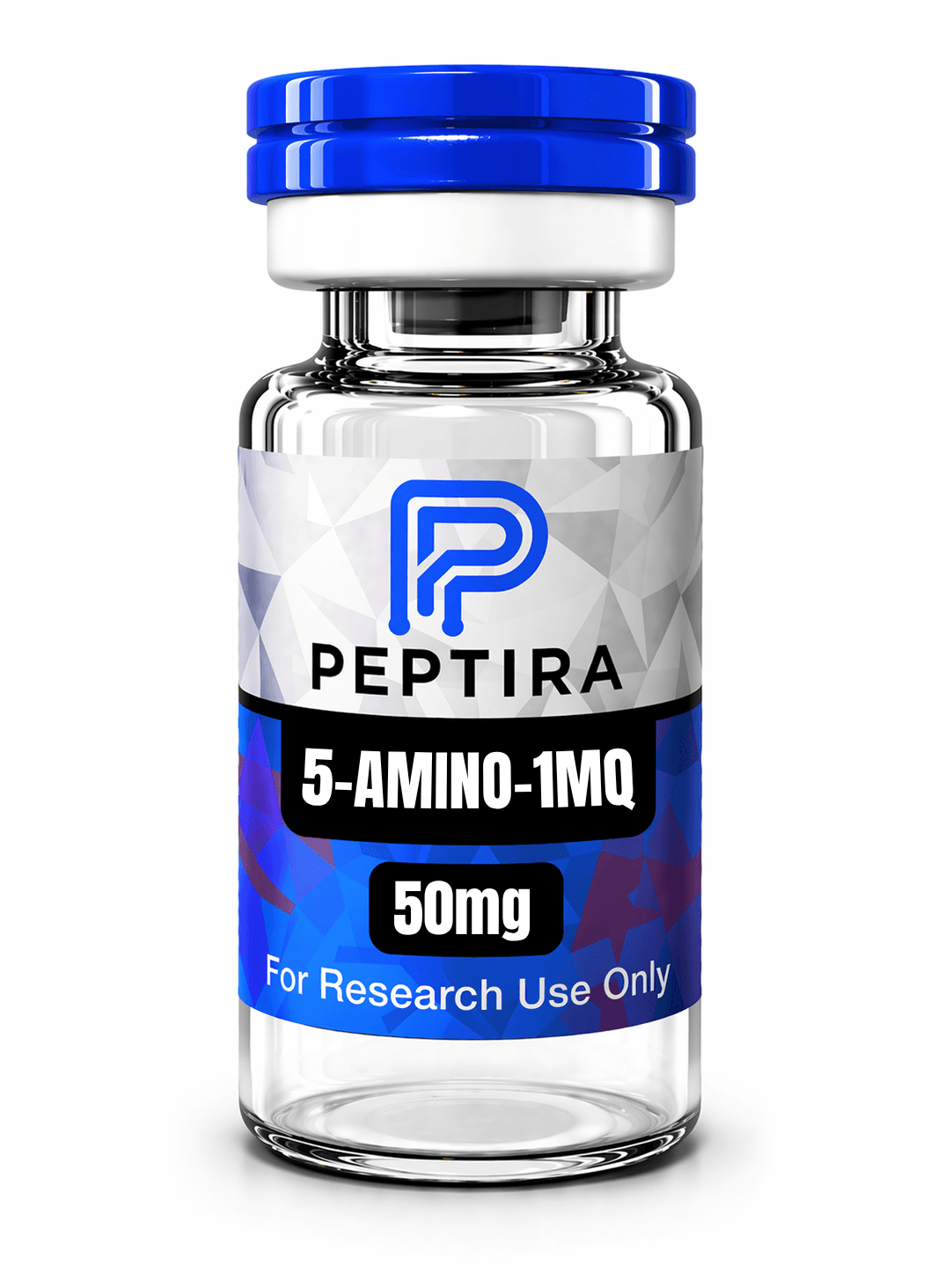
5-Amino-1MQ
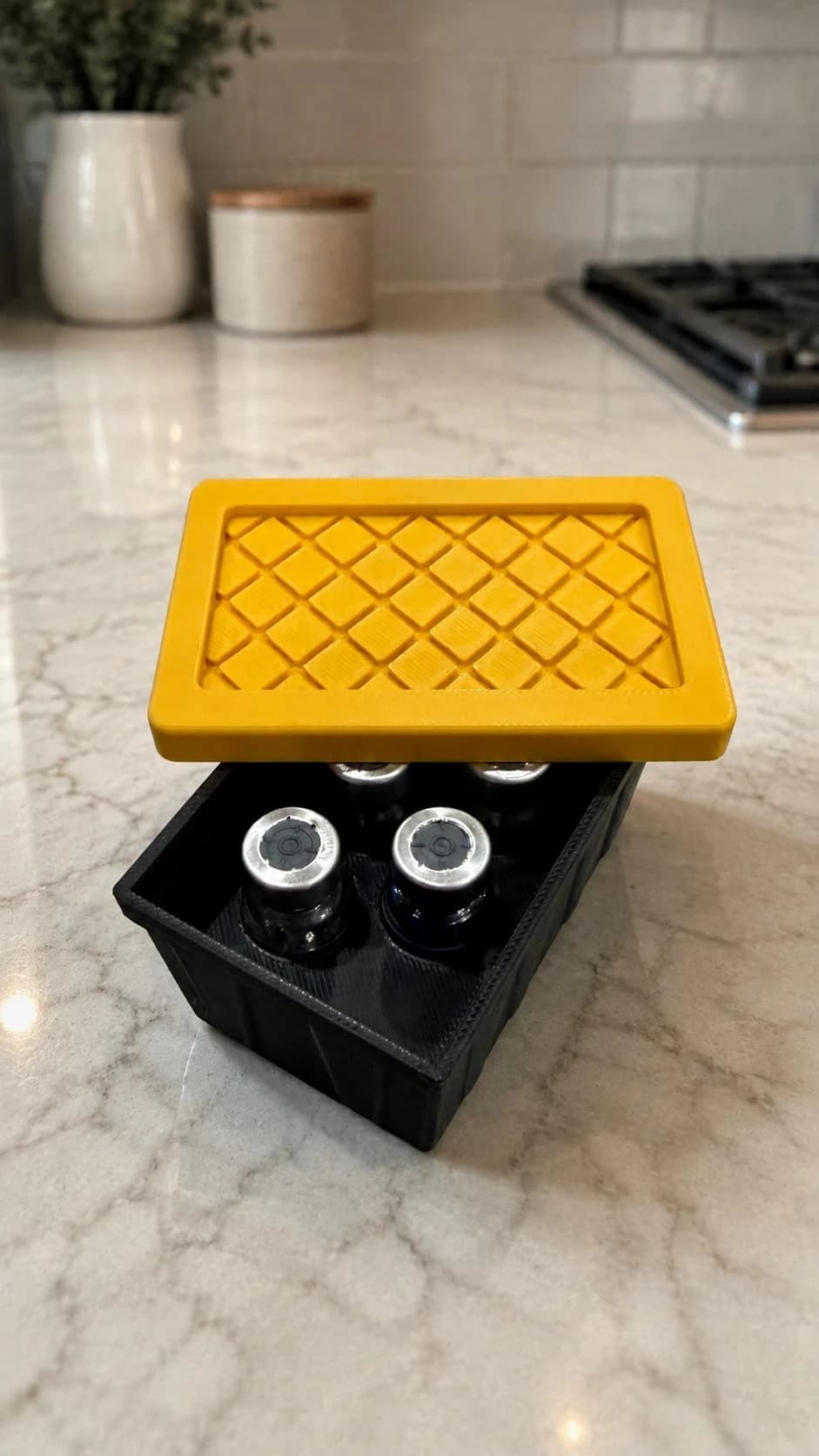
5-Vial Tote Case
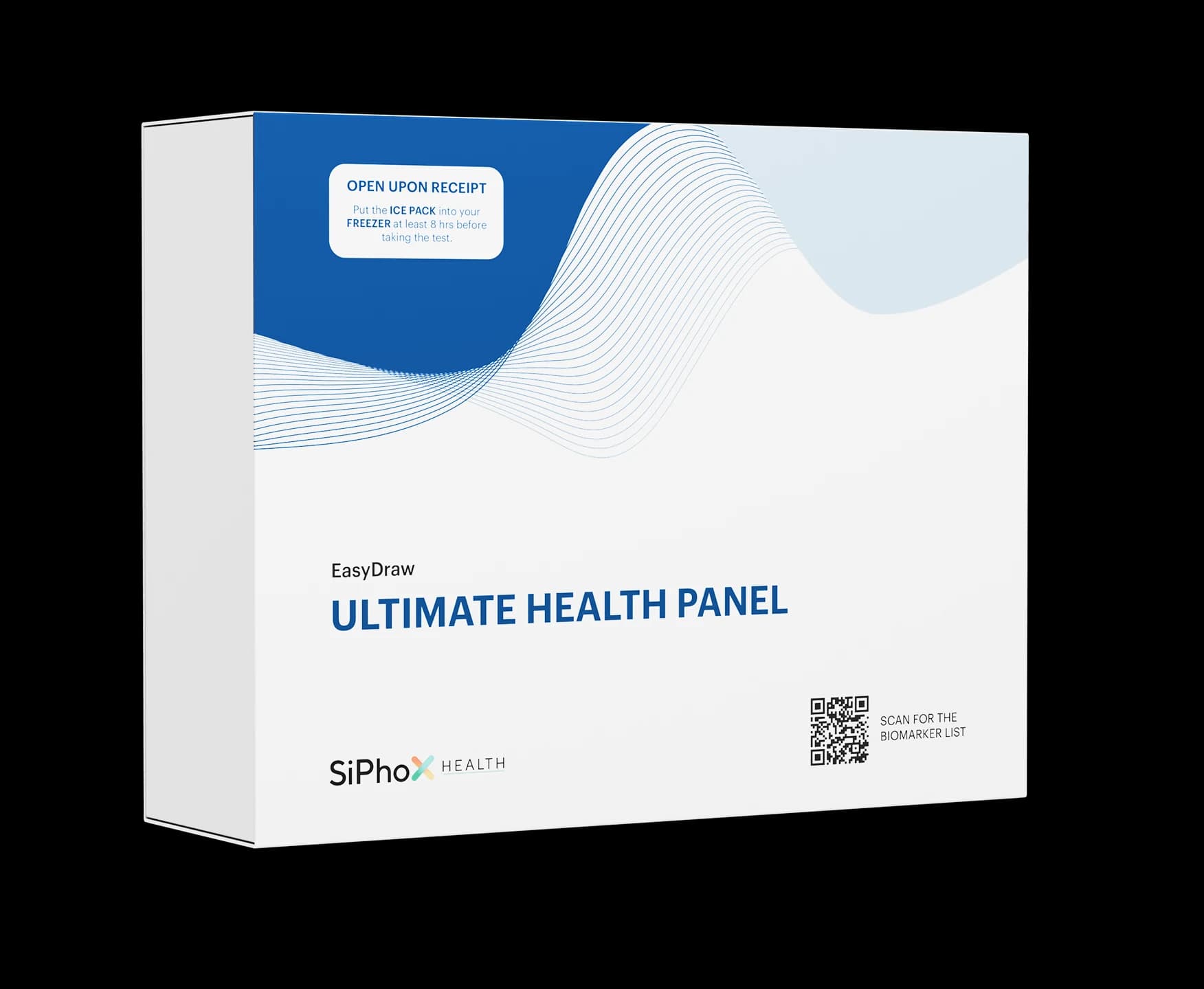
At-Home Blood Test
Research Supplies
Disclosure: supply links may earn PDP a commission at no cost to you.
Affiliate disclosure: PDP may earn a commission from eligible supply links at no added cost to you. Product details, testing, prices, and discount terms can change, so check the current listing before ordering.
Companion Supplies & Routine Support
How Long Does 5-Amino-1MQ Take to Work?
No validated human timeline exists
Mouse studies detected body-weight or metabolic differences within 11 to 28 days, and longer studies ran for seven or eight weeks. These animal timelines cannot be converted into an exact human schedule. The common human result windows shared online come from community reports, not controlled trials.
Timeline from published animal studies
What the published research timelines measured
Study window
6 to 11 days
What was measured
Body-weight differences appeared during an 11-day obese-mouse study, with fat tissue measured at the end.
What it cannot prove
Visible human fat loss in the same number of days
Study window
28 days
What was measured
Body composition, glucose handling, insulin, liver tissue, and blood markers were measured in obese mice.
What it cannot prove
A one-month human result or safe human amount
Study window
About 7 weeks
What was measured
Weight, fat mass, lean-mass ratio, liver fat, and metabolism were tracked in mice receiving a diet change plus NNMT inhibition.
What it cannot prove
The effect of the compound without the diet change
Study window
8 weeks
What was measured
Grip strength and muscle function were studied in aged mice.
What it cannot prove
Human muscle gain, workout performance, or daily energy
| Study window | What was measured | What it cannot prove |
|---|---|---|
| 6 to 11 days | Body-weight differences appeared during an 11-day obese-mouse study, with fat tissue measured at the end. | Visible human fat loss in the same number of days |
| 28 days | Body composition, glucose handling, insulin, liver tissue, and blood markers were measured in obese mice. | A one-month human result or safe human amount |
| About 7 weeks | Weight, fat mass, lean-mass ratio, liver fat, and metabolism were tracked in mice receiving a diet change plus NNMT inhibition. | The effect of the compound without the diet change |
| 8 weeks | Grip strength and muscle function were studied in aged mice. | Human muscle gain, workout performance, or daily energy |
Community-reported timeline
Community standard, not clinical research
There is no human study that proves a 4-, 8-, or 12-week result window. The ranges below reflect the common research-community pattern summarized in the full 5-Amino-1MQ protocol. They are anecdotal and should not be read as a promise, a safe cycle, or a recommendation for use.
Common community observation pattern
Anecdotal only; not validated in a human trial.
Observation window
Weeks 1 to 2
What is often reported
Warmth, alertness, sleep changes, or no noticeable effect
How to interpret it
A sensation does not prove fat loss, and no sensation does not prove inactivity.
Observation window
Weeks 4 to 6
What is often reported
First waist, scale, or visual changes in some reports
How to interpret it
Diet, water, exercise, and measurement error can explain part or all of the change.
Observation window
Weeks 8 to 12
What is often reported
A broader body-composition review in community protocols
How to interpret it
This is a community convention, not a proven peak-effect window.
| Observation window | What is often reported | How to interpret it |
|---|---|---|
| Weeks 1 to 2 | Warmth, alertness, sleep changes, or no noticeable effect | A sensation does not prove fat loss, and no sensation does not prove inactivity. |
| Weeks 4 to 6 | First waist, scale, or visual changes in some reports | Diet, water, exercise, and measurement error can explain part or all of the change. |
| Weeks 8 to 12 | A broader body-composition review in community protocols | This is a community convention, not a proven peak-effect window. |
When is a result meaningful?
- Record a clear baseline before the observation period.
- Use the same scale, tape measure, or body-composition device each time.
- Measure under similar conditions, including time of day and hydration.
- Look for a trend across several measurements instead of one reading.
- Record diet, activity, sleep, and other compounds that could explain the change.
- Separate subjective effects from body-composition results.
5-Amino-1MQ Before and After: How to Evaluate Claims
A 5-Amino-1MQ before-and-after photo may show that a person looked different on two days. It cannot prove what caused the difference. There is no verified set of clinical before-and-after photos showing a standard human response to 5-Amino-1MQ.
Why photos can be misleading
Lighting and camera angle
Side lighting, a closer camera, and a lower angle can make muscle lines look sharper.
Pose and muscle pump
Flexing or taking a photo after training can create a large visual change without new fat loss.
Water and glycogen
Salt, carbohydrates, sweating, and hydration can quickly change scale weight and appearance.
Diet and exercise
A calorie deficit or new training plan may explain the result even when a compound was also used.
Other compounds
A result cannot be assigned to 5-Amino-1MQ when several substances changed at once.
Unknown product identity
An online testimonial may not confirm what was actually in the product or how much it contained.
What a more credible comparison should include
- The same lighting, pose, camera, distance, and time of day
- A clearly stated start date and follow-up date
- Body weight and waist measurements at both points
- The same body-composition method at both points
- Diet, calorie, protein, and activity changes
- A full list of other compounds or supplements used
- Product identity or batch documentation when available
- A clear statement that one result does not predict another person's result
Testimonials are not trials
A personal testimonial can describe one person's experience. It cannot rule out diet changes, placebo effects, other compounds, normal weight changes, or selective photo choices. Controlled human trials are needed before a typical result can be claimed.
Does 5-Amino-1MQ Work Orally?
Oral effectiveness has not been established in humans. A 2024 mouse absorption study found poor oral bioavailability in mice, even though the compound can cross cell membranes and can be measured after other routes. The same research group has noted that oral handling may differ between mice and rats, which makes species differences important. Babula et al., 2024
Cell-permeability results do not prove that an oral capsule reaches an effective level in the human body. Oral and injected research results should not be treated as equal without human absorption and blood-level data. For route-specific community protocols and reconstitution information, see the full 5-Amino-1MQ dosing guide.
Human Studies and Major Evidence Gaps
The strongest direct evidence for 5-Amino-1MQ still comes from mice. Human studies have linked NNMT activity with insulin resistance, but that is not the same as treating people with 5-Amino-1MQ. A target can be biologically important without a specific inhibitor being safe or effective in humans.
Cell studies
Show that 5-Amino-1MQ can block NNMT and change related metabolites in controlled lab conditions.
Genetic mouse studies
Show that lowering NNMT can change energy use, fat gain, glucose control, NAD+, and SAM.
5-Amino-1MQ mouse studies
Show changes in body weight, fat mass, fat-cell size, glucose markers, liver fat, and aged-muscle function.
Human association studies
Show that NNMT expression is linked with insulin resistance, but do not test 5-Amino-1MQ treatment.
Controlled human outcome trials
No published trial was found that establishes weight loss, fat loss, body-composition change, or a standard results timeline.
What a useful human trial would need to measure
- Safety and side effects
- Blood levels and oral bioavailability
- How long the compound remains in the body
- Direct proof that NNMT is being inhibited
- Body weight, fat mass, and lean mass
- Glucose, insulin, liver, and lipid markers
- Changes after treatment stops
- Results compared with a placebo group
Why human-equivalent dose math does not predict results
Body-surface-area math can help researchers choose a starting range for future safety work. It cannot prove a safe human amount, predict oral absorption, or forecast how much weight a person would lose. Species can differ in metabolism, tissue exposure, side effects, and the way the compound is absorbed.
Independent research is limited
Several major 5-Amino-1MQ studies came from the same research network, and some authors reported ties to a company developing NNMT inhibitors. This does not make the findings false, but it increases the need for independent replication before strong conclusions are made.
Benefits, Side Effects, and Unknowns
Potential benefits should be weighed against the lack of human safety data. An animal study that reports no visible adverse effects does not prove that long-term use is safe in people. It may miss rare events, interactions, or problems that only appear after longer exposure.
- Long-term human safety is unknown.
- A safe oral or injected human amount has not been established.
- Drug and supplement interactions have not been mapped in controlled trials.
- The effects of repeated community cycles are unknown.
- Product identity and concentration can change the meaning of online experience reports.
- Feeling warmer, more alert, or less hungry is not proof of fat loss.
For a fuller review of reported side effects, safety limits, regulatory status, route differences, and research protocols, use the 5-Amino-1MQ protocol and safety guide.
The Bottom Line on 5-Amino-1MQ Results
5-Amino-1MQ has a real and interesting preclinical research record. Across several mouse studies, it affected body weight, fat mass, fat-cell size, glucose handling, liver fat, and related metabolic pathways. The results were often seen without a clear drop in food intake, which makes NNMT inhibition different from appetite-based weight-loss research.
The main limit is just as clear: there is no published controlled human weight-loss trial. Human benefits, oral effectiveness, side effects, and the time needed to see results remain uncertain. Community before-and-after stories and 4-to-12-week timelines can help identify what people discuss, but they cannot replace clinical evidence.
5-Amino-1MQ Results and Benefits FAQ
Q1: What are the main potential benefits of 5-Amino-1MQ?
Mouse studies found lower body weight or fat mass, smaller fat cells, better glucose handling, and less liver fat. An aged-mouse study also found better grip strength. These benefits have not been proven in humans.
Q2: What does 5-Amino-1MQ do in the body?
5-Amino-1MQ blocks NNMT, an enzyme involved in nicotinamide, NAD+, and methyl metabolism. Blocking NNMT may change how fat cells store and use energy, but the human effect is not established.
Q3: What is 5-Amino-1MQ used for?
It is used as an experimental research compound to study NNMT, fat tissue, metabolism, liver fat, and muscle aging. It is not an approved weight-loss treatment.
Q4: Does 5-Amino-1MQ work for weight loss?
It caused weight or fat changes in obese mice, but no controlled human study has established that it causes weight loss in people.
Q5: Does 5-Amino-1MQ cause fat loss?
Mouse studies found lower fat mass, smaller fat depots, and smaller fat cells. A reliable human fat-loss effect has not been proven.
Q6: How quickly does 5-Amino-1MQ work?
Mouse studies found some differences within 11 to 28 days. There is no validated human timeline, and animal study days should not be converted directly into human result dates.
Q7: How long does it take to see 5-Amino-1MQ results?
Community reports often discuss first measurable changes around weeks 4 to 6 and a broader review around weeks 8 to 12. These are anecdotal ranges, not results proven in a human trial.
Q8: Does 5-Amino-1MQ suppress appetite?
Appetite suppression is not the main supported mechanism. Food intake usually did not change in the major mouse studies, and human appetite effects are unknown.
Q9: Does 5-Amino-1MQ give you energy?
There is no human evidence of a reliable energy boost. Cellular energy changes and improved grip strength in mice are not the same as a stimulant-like feeling in people.
Q10: Are 5-Amino-1MQ before-and-after photos reliable?
Photos alone cannot prove cause and effect. Lighting, pose, hydration, exercise, diet, other compounds, and camera setup can all change how a result looks.
Q11: Have 5-Amino-1MQ results been proven in humans?
No published controlled human outcome trial was found through July 30, 2026. Current direct results come from cells and animals.
Q12: Does 5-Amino-1MQ work orally?
Human oral effectiveness has not been established. A 2024 study found poor oral bioavailability in mice, and species may handle the compound differently.
References
- 1. Kraus D, et al. Nicotinamide N-methyltransferase knockdown protects against diet-induced obesity Nature (2014)
- 2. Kannt A, et al. Association of nicotinamide-N-methyltransferase mRNA expression in human adipose tissue and 1-methylnicotinamide with insulin resistance Diabetologia (2015)
- 3. Neelakantan H, et al. Selective and membrane-permeable small molecule inhibitors of nicotinamide N-methyltransferase reverse high fat diet-induced obesity in mice Biochemical Pharmacology (2018)
- 4. Sampson CM, et al. Combined nicotinamide N-methyltransferase inhibition and reduced-calorie diet normalizes body composition and enhances metabolic benefits in obese mice Scientific Reports (2021)
- 5. Babula JAJ, et al. Nicotinamide N-methyltransferase inhibition mitigates obesity-related metabolic dysfunction Diabetes, Obesity and Metabolism (2024)
- 6. Dimet-Wiley AL, et al. Nicotinamide N-methyltransferase inhibition mimics and boosts exercise-mediated improvements in muscle function in aged mice Scientific Reports (2024)
- 7. U.S. National Library of Medicine PubMed search results for 5-amino-1MQ PubMed (Accessed July 30, 2026)
- 8. U.S. National Library of Medicine ClinicalTrials.gov search results for 5-amino-1MQ ClinicalTrials.gov (Accessed July 30, 2026)
Related Dosing Protocols
Educational use only
Peptide Dosing Protocols is an independent educational reference. Nothing here is medical advice or a recommendation for human use. Consult a licensed healthcare provider before considering any compound.
Read the Full 5-Amino-1MQ Protocol
Review the research dosing context, route differences, reconstitution math, cycle discussion, side effects, and current evidence limits.

Written by Garret Grant
Founder & Lead Researcher · B.S. Civil Engineering, UCLA
Last updated: July 2026
Human-researched and AI-assisted with full editorial review. I verify sources, protocol interpretation, and final judgments personally. See methodology.
Share this page