The Price Difference Is Only Part of the Story
Research-use-only peptides are usually much cheaper than compounded prescription medications. The lower price is real, but it does not buy the same service. A compounded program may include a provider review, prescription, pharmacy preparation, patient label, supplies, shipping, and follow-up care.
A research purchase usually covers the research material and whatever testing the vendor provides. The purchaser or laboratory must do more work to review the vendor, match the batch number, read the Certificate of Analysis, understand which tests were run, and manage research handling.
The most important distinction
Compounded prescription medications and research-use-only products are made for different intended uses. They should not be treated as equal paths to human treatment just because the compound names may look similar.
The Three Product Categories People Often Mix Up
A clear comparison needs three categories, not two. FDA-approved drugs, compounded drugs, and research-use-only products follow different paths.
FDA-approved medication
The finished drug has gone through FDA review for a specific formula, manufacturer, label, and approved use. FDA approval does not mean a drug has no risks, but it is the most complete review path of the three.
Compounded prescription medication
A licensed compounder prepares a drug for patient care under applicable federal and state rules. It may meet a need that an approved product does not meet, but the finished compounded drug is not FDA-approved.
Research-use-only peptide
The seller presents the product for laboratory research rather than as a prescription medication. There is no patient-specific prescription, dispensing pharmacy, or medical follow-up built into the purchase.
“Pharmacy grade” is not FDA approval
The phrase “pharmacy grade” is common marketing language. It is not its own FDA approval category. Look for the actual product type, pharmacy, prescription process, and regulatory path instead.
The FDA explains that compounded drugs are not FDA-approved. It also explains that compounding can serve an important patient need when an approved drug is not medically appropriate for that person.
Compounded vs. Research Peptides at a Glance
Compounded prescription medication compared with research-use-only peptides
Comparison point
Intended use
Compounded prescription medication
Patient care through a provider and pharmacy system
Research-use-only peptide
Laboratory research
Comparison point
Prescription
Compounded prescription medication
Usually required for patient-specific 503A compounding
Research-use-only peptide
No prescription
Comparison point
Provider review
Compounded prescription medication
Often included
Research-use-only peptide
Not included
Comparison point
Dispensing pharmacy
Compounded prescription medication
An identified pharmacy or outsourcing facility
Research-use-only peptide
No pharmacy is part of the sale
Comparison point
FDA-approved finished product
Compounded prescription medication
No
Research-use-only peptide
No
Comparison point
Main oversight
Compounded prescription medication
Depends on whether the compounder operates under section 503A or 503B
Research-use-only peptide
Not sold through the pharmacy-compounding system
Comparison point
Labeling
Compounded prescription medication
Prescription and patient information when dispensed to an individual
Research-use-only peptide
Research-use labeling
Comparison point
Source records
Compounded prescription medication
Prescription, pharmacy, formulation, and dispensing records
Research-use-only peptide
Depends on the vendor and its batch records
Comparison point
Testing
Compounded prescription medication
Depends on the facility, formulation, and rules that apply
Research-use-only peptide
Voluntary and highly variable
Comparison point
Ready-to-use format
Compounded prescription medication
Often, but not always
Research-use-only peptide
Varies; many products require laboratory preparation
Comparison point
Medical follow-up
Compounded prescription medication
Often available
Research-use-only peptide
None
Comparison point
Common price format
Compounded prescription medication
Monthly plan or treatment package
Research-use-only peptide
Per vial, kit, or milligram
Comparison point
Verification workload
Compounded prescription medication
More work sits with the provider and pharmacy
Research-use-only peptide
More work sits with the purchaser or research lab
Comparison point
Main recourse
Compounded prescription medication
Provider, pharmacy, licensing board, and applicable regulators
Research-use-only peptide
Vendor support, payment provider, and testing records
| Comparison point | Compounded prescription medication | Research-use-only peptide |
|---|---|---|
| Intended use | Patient care through a provider and pharmacy system | Laboratory research |
| Prescription | Usually required for patient-specific 503A compounding | No prescription |
| Provider review | Often included | Not included |
| Dispensing pharmacy | An identified pharmacy or outsourcing facility | No pharmacy is part of the sale |
| FDA-approved finished product | No | No |
| Main oversight | Depends on whether the compounder operates under section 503A or 503B | Not sold through the pharmacy-compounding system |
| Labeling | Prescription and patient information when dispensed to an individual | Research-use labeling |
| Source records | Prescription, pharmacy, formulation, and dispensing records | Depends on the vendor and its batch records |
| Testing | Depends on the facility, formulation, and rules that apply | Voluntary and highly variable |
| Ready-to-use format | Often, but not always | Varies; many products require laboratory preparation |
| Medical follow-up | Often available | None |
| Common price format | Monthly plan or treatment package | Per vial, kit, or milligram |
| Verification workload | More work sits with the provider and pharmacy | More work sits with the purchaser or research lab |
| Main recourse | Provider, pharmacy, licensing board, and applicable regulators | Vendor support, payment provider, and testing records |
This table compares systems and responsibilities. It does not say that every product in either category has the same quality.
What Compounded Peptides Actually Are
Traditional pharmacy compounding starts with a medical need. A provider evaluates the patient, writes a prescription when appropriate, and sends it to a licensed pharmacy. The pharmacy prepares and labels the medication, keeps dispensing records, and provides a point of contact for questions.
- 01
Provider evaluation
A licensed provider reviews the patient’s history and decides whether a prescription is appropriate.
- 02
Prescription
The prescription identifies the patient and gives the pharmacy the needed formulation and directions.
- 03
Pharmacy preparation
The pharmacy prepares the medication under the rules and quality standards that apply to its facility.
- 04
Label and dispensing record
The finished medication is tied to a pharmacy, prescription, label, and record.
- 05
Follow-up
The patient may have access to the provider and pharmacist when questions or problems come up.
Featured Beyond Whoosh Peptide Programs
These are prescription programs, not research-use-only products. A clinician reviews eligibility before prescribing.
Beyond Whoosh
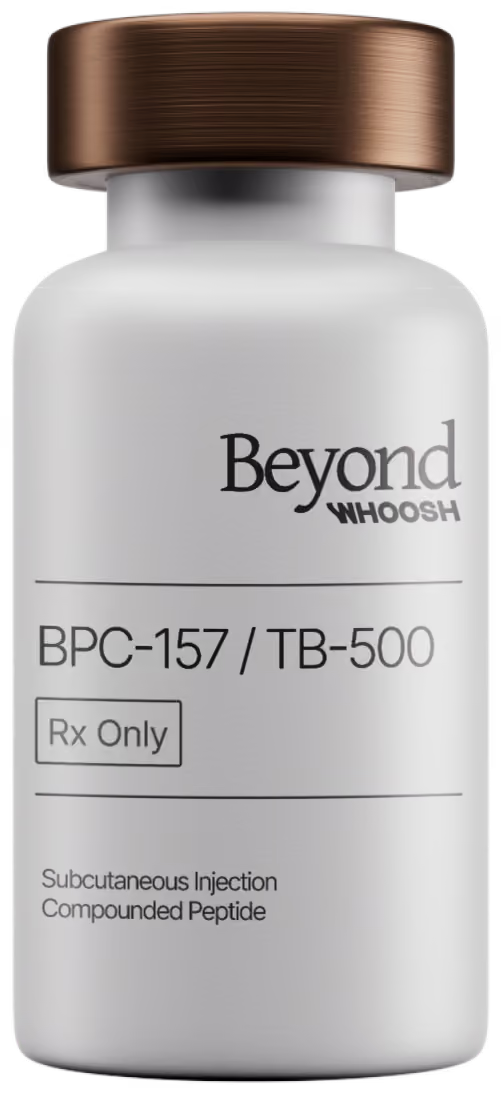
Pharmacy Grade Wolverine
A prescription BPC-157 and TB-500 program with provider review and pharmacy fulfillment.
Beyond Whoosh
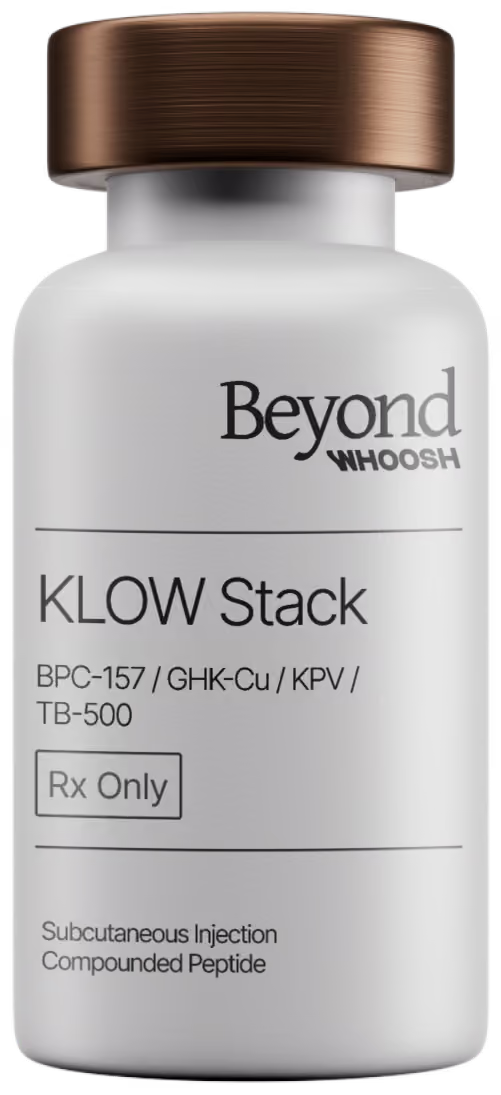
Pharmacy Grade KLOW Stack
A prescription BPC-157, GHK-Cu, KPV, and TB-500 program with provider review and pharmacy fulfillment.
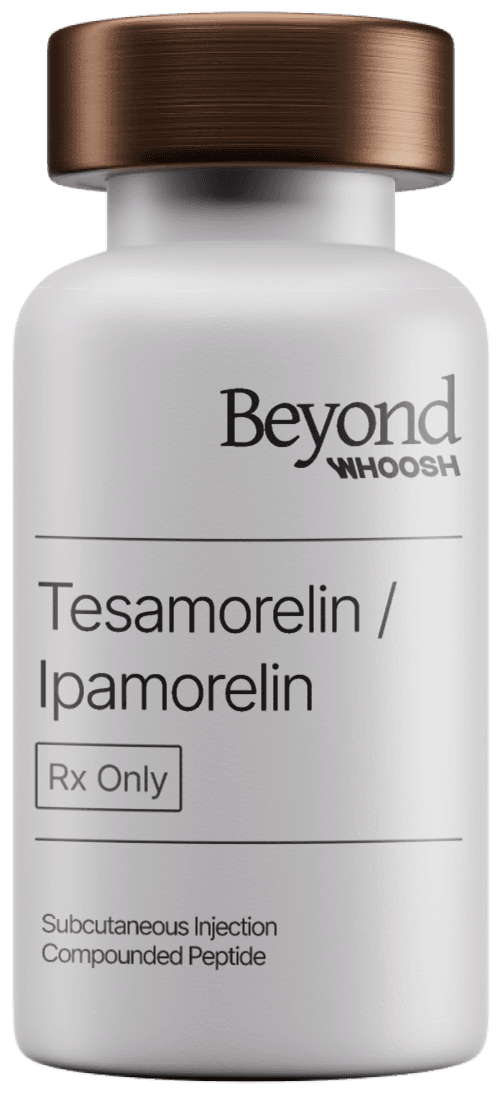
Beyond Whoosh
Pharmacy Grade Tesamorelin / Ipamorelin
A prescription tesamorelin and ipamorelin program with provider review and pharmacy fulfillment.
Affiliate disclosure: PDP may earn a commission from eligible Beyond Whoosh links at no added cost to you. Access depends on clinician review, location, pharmacy availability, and current compounding rules.
What section 503A means
Section 503A mainly covers compounding by licensed pharmacists in state-licensed pharmacies, federal facilities, or licensed physicians. Patient-specific prescriptions are central to this path. State boards of pharmacy usually handle day-to-day oversight, while FDA can still inspect and take action.
What section 503B means
Section 503B covers registered outsourcing facilities. These facilities are primarily overseen by FDA, are inspected on a risk-based schedule, and must follow current good manufacturing practice requirements. They may prepare larger batches for healthcare settings and may or may not receive patient-specific prescriptions.
503B is not simply a premium 503A
The two sections serve different purposes. A 503A pharmacy is built around patient-specific compounding. A 503B outsourcing facility is a separate federal category that often supplies healthcare facilities.
FDA’s comparison of sections 503A and 503B explains the prescription rules, inspections, manufacturing requirements, and bulk ingredient conditions for each path.
Are Compounded Peptides FDA Approved?
Direct answer
No. A compounded drug is not an FDA-approved finished product, even when it is prepared by a licensed pharmacy and prescribed by a licensed provider.
FDA does not review each compounded formula for safety, effectiveness, and quality before it is marketed. This is different from the review required for an approved brand-name or generic drug.
The pharmacy system still adds structure. There is an identified prescriber, compounder, formulation, label, and dispensing record. That chain can reduce how much sourcing work falls on the patient, but it does not guarantee perfect potency, sterility, safety, or results.
More oversight does not mean guaranteed
FDA warns that poor compounding can lead to contamination or a drug with too much or too little active ingredient. A fair comparison should describe the added controls without claiming that mistakes cannot happen.
See the FDA’s current compounding questions and answers for the agency’s explanation of approval status, oversight, and quality risks.
What “Research Use Only” Actually Means
A research-use-only label tells the buyer that the seller is offering the product for laboratory research, not dispensing it as patient medication. The sale does not include a medical evaluation, prescription, patient label, pharmacy record, or clinical follow-up.
The label is also not a quality grade. Some research vendors publish detailed batch reports from outside laboratories. Others publish a basic document, an old report, or no useful batch evidence. The buyer must judge what the records actually support.
A research vial is not the same as a bulk drug substance that meets the legal sourcing rules for compounding. Under sections 503A and 503B, bulk substances must meet specific conditions, including a valid Certificate of Analysis and production by an FDA-registered establishment. Other eligibility rules also apply.
A COA does not change the intended use
A good test report can add useful batch information. It does not turn a research product into an FDA-approved drug or a pharmacy-dispensed medication.
FDA lists the federal conditions for bulk drug substances used under section 503A.
Testing Is More Than a Purity Percentage
A page that shows “99% purity” answers only one part of the quality question. Identity, quantity, sterility, endotoxin, impurities, and stability are separate issues.
Identity
Identity testing asks whether the sample matches the expected molecule. A mass-based method may support identity, but it does not prove sterility or the amount in the vial.
Purity
Purity testing asks how much of the detected material appears as the main target compound rather than related impurities. It does not automatically show the total milligrams present.
Quantity or assay
Quantity testing asks whether the sample contains the labeled amount. A vial may have a high purity result and still contain less material than the label states.
Sterility
Sterility testing looks for viable microorganisms under the test conditions. It is a different test from chemical purity.
Bacterial endotoxin
Endotoxin testing looks for toxins linked to certain bacteria. A sample can pass a sterility test and still require separate endotoxin testing.
Residual solvents and other impurities
These tests look for production residues or unwanted chemicals that may not be clear from one purity number.
Stability
Stability data support storage conditions and a usable time period. A report from the day of testing does not show how the product changes over time.
Batch traceability
The report should connect to the exact lot or batch being reviewed. A report for a different batch gives limited help.
What common peptide tests can and cannot show
Test or record
HPLC purity
Main question
How much of the detected material appears as the main peak?
Does not prove by itself
Exact vial quantity, sterility, or endotoxin level
Test or record
Mass spectrometry
Main question
Does the measured mass support the expected identity?
Does not prove by itself
Full purity, quantity, or sterility
Test or record
Assay or quantity
Main question
Is the labeled amount present?
Does not prove by itself
Identity or sterility by itself
Test or record
Sterility test
Main question
Were viable organisms detected under the test conditions?
Does not prove by itself
Endotoxin level or chemical purity
Test or record
Endotoxin test
Main question
Is bacterial endotoxin below the reported limit?
Does not prove by itself
General sterility or identity
Test or record
Stability study
Main question
Does the preparation remain within set limits over time?
Does not prove by itself
Initial identity by itself
Test or record
Batch number
Main question
Can the report be tied to the product lot?
Does not prove by itself
That the testing was complete or independent
| Test or record | Main question | Does not prove by itself |
|---|---|---|
| HPLC purity | How much of the detected material appears as the main peak? | Exact vial quantity, sterility, or endotoxin level |
| Mass spectrometry | Does the measured mass support the expected identity? | Full purity, quantity, or sterility |
| Assay or quantity | Is the labeled amount present? | Identity or sterility by itself |
| Sterility test | Were viable organisms detected under the test conditions? | Endotoxin level or chemical purity |
| Endotoxin test | Is bacterial endotoxin below the reported limit? | General sterility or identity |
| Stability study | Does the preparation remain within set limits over time? | Initial identity by itself |
| Batch number | Can the report be tied to the product lot? | That the testing was complete or independent |
FDA guidance on analytical methods treats identity, strength, quality, purity, and potency as distinct quality attributes. USP also lists separate chapters for sterility and bacterial endotoxin testing.
How to Read a Research Peptide COA
A Certificate of Analysis can be useful, but only when it connects to the product and clearly shows what was tested. Start with the batch number, not the purity percentage.
- 01
Match the batch or lot number
The number on the report should match the batch linked to the product. A report for another lot is not batch-specific evidence.
- 02
Identify the laboratory
Confirm that the lab has a real website, contact information, and a way to verify reports when possible.
- 03
Look for an original report
A laboratory portal or original PDF is stronger than a cropped image copied onto a store page.
- 04
Separate identity, purity, and quantity
Check which result supports each claim. One result should not be stretched to cover tests that were never run.
- 05
Check sterility and endotoxin separately
Do not assume a chemical purity report includes microbiology testing.
- 06
Review the test date
A current report tied to the active batch is more useful than an old report for a past batch.
- 07
Ask who selected the sample
A vendor-selected sample can still provide information, but it is not the same as random market sampling.
- 08
List what is missing
The clearest COA review often ends with a short list of tests that were not performed.
- Product or compound name
- Batch or lot number
- Sample identifier
- Testing date
- Laboratory name
- Methods used
- Identity result
- Purity result
- Quantity or assay result, when tested
- Sterility and endotoxin results, when tested
- A report number or verification link
A COA has limits
A report may not show how every vial was handled, whether the sample was randomly chosen, how the product was stored later, or whether a copied report is authentic. It is evidence, not a full quality system.
Compounded vs. Research Peptide Pricing
Research products are often far cheaper by vial or milligram. Compounded and telehealth prices are usually higher because they may bundle several services into one monthly or multi-month price.
What each price may include
Cost component
Product
Compounded or telehealth model
Included
Research-use model
Included
Cost component
Provider intake and review
Compounded or telehealth model
Often included
Research-use model
Not included
Cost component
Prescription
Compounded or telehealth model
Included when approved
Research-use model
Not applicable
Cost component
Pharmacy preparation
Compounded or telehealth model
Included
Research-use model
Not applicable
Cost component
Patient-specific label
Compounded or telehealth model
Included
Research-use model
Not included
Cost component
Supplies
Compounded or telehealth model
Sometimes included
Research-use model
Usually separate
Cost component
Cold shipping
Compounded or telehealth model
May be included
Research-use model
Varies
Cost component
Ready-to-use format
Compounded or telehealth model
Often
Research-use model
Varies
Cost component
Ongoing provider access
Compounded or telehealth model
Often included
Research-use model
Not included
Cost component
Independent validation work
Compounded or telehealth model
Lower, but not zero
Research-use model
Much higher
Cost component
Common price style
Compounded or telehealth model
Per month or package
Research-use model
Per vial, kit, or mg
| Cost component | Compounded or telehealth model | Research-use model |
|---|---|---|
| Product | Included | Included |
| Provider intake and review | Often included | Not included |
| Prescription | Included when approved | Not applicable |
| Pharmacy preparation | Included | Not applicable |
| Patient-specific label | Included | Not included |
| Supplies | Sometimes included | Usually separate |
| Cold shipping | May be included | Varies |
| Ready-to-use format | Often | Varies |
| Ongoing provider access | Often included | Not included |
| Independent validation work | Lower, but not zero | Much higher |
| Common price style | Per month or package | Per vial, kit, or mg |
The two checkout prices are not an apples-to-apples comparison unless the quantity, formula, testing, services, supplies, and package length are also matched.
Current Beyond Whoosh price examples
Prices checked on July 31, 2026 show how a bundled provider-and-pharmacy model is presented. The Beyond Whoosh shop lists compounded semaglutide starting at $83 per month, compounded tirzepatide starting at $125 per month, several single-peptide programs starting near $158 per month, and several stacks starting near $183 per month.
Its BPC-157 injection page lists $199 for one month, $499 for three months, and $949 for six months. Beyond Whoosh says the service includes a provider review, pharmacy fulfillment, supplies with the first order, ready-to-use preparation, cold shipping, and ongoing provider access. These are company-stated details and should be checked again before purchase.
Current research-price examples
PepPal’s May 2026 pricing sample lists research-use BPC-157 near $3.60 to $4.80 per milligram, GHK-Cu near $0.45 to $0.75 per milligram, tirzepatide near $2.58 to $3.71 per milligram, and semaglutide near $5.25 to $6.70 per milligram. See the full peptide cost guide for the source table and more products.
Do not compare only the front-page number
A research vial price does not include a prescription or pharmacy service. A monthly compounded price may cover more than the medication. Compare the actual amount, formula, service, testing, supplies, shipping, and package length.
Compare the Two Sourcing Paths
Compare the provider-and-pharmacy model with a research-use-only catalog. The prices cover different products, services, and responsibilities.
Peptira
Peptira Research Catalog
Browse research-use-only products and review current product details and available batch records.
Beyond Whoosh
Prescription Peptide Programs
Browse provider-led prescription programs. A clinician reviews eligibility before prescribing.
Affiliate disclosure: PDP may earn a commission from eligible links at no added cost to you. These options have different intended uses and should not be treated as interchangeable.
Why Research Peptides Usually Cost Less
The price gap is not caused by one factor. Research sellers operate through a different business model with fewer healthcare service layers.
- No provider intake or medical review
- No prescription processing
- No patient-specific pharmacy dispensing
- No ongoing clinical support
- No patient label or medical record
- Supplies are usually separate
- Products may be sold in laboratory preparation formats
- Bulk and multi-vial pricing may lower the per-milligram cost
- Testing programs vary and may cover fewer quality attributes
A lower price does not prove that a product is poor. A higher price also does not prove that every product is correct. The records, testing, oversight, and chain of accountability still need to be examined.
How Much Verification Work Falls on the Buyer?
The practical tradeoff
Compounding moves more work into the provider and pharmacy system. A research purchase moves more work to the purchaser or laboratory.
Checks for the compounded path
- Confirm the name and license of the prescribing provider.
- Identify the pharmacy that will fill the prescription.
- Check the pharmacy through the correct state board.
- Find out whether the facility is operating under section 503A or 503B.
- Review the ingredient, concentration, total volume, and directions on the label.
- Check storage instructions and the beyond-use date.
- Review current charges, renewal terms, and cancellation rules.
- Ask how questions, side effects, or product concerns are handled.
Checks for the research path
- Confirm the vendor’s business identity and official domain.
- Find the report for the exact batch or lot.
- Verify the testing laboratory when possible.
- Separate identity, purity, and quantity results.
- Check whether sterility and endotoxin testing were performed.
- Review the test date and sample-selection process.
- Check shipping, storage, refund, and replacement policies.
- Plan any independent confirmation required by the research project.
Accountability, Traceability, and Recourse
When something appears wrong, the main difference is how many identified parties and formal records surround the product.
Where questions and complaints may go
Compounded prescription model
Prescribing provider
Research-use model
Vendor support
Compounded prescription model
Telehealth service
Research-use model
Testing laboratory
Compounded prescription model
Dispensing pharmacy
Research-use model
Payment provider
Compounded prescription model
State board of pharmacy
Research-use model
Shipping carrier
Compounded prescription model
FDA when applicable
Research-use model
Independent retesting service
Compounded prescription model
Medical and dispensing records
Research-use model
Vendor refund or replacement policy
| Compounded prescription model | Research-use model |
|---|---|
| Prescribing provider | Vendor support |
| Telehealth service | Testing laboratory |
| Dispensing pharmacy | Payment provider |
| State board of pharmacy | Shipping carrier |
| FDA when applicable | Independent retesting service |
| Medical and dispensing records | Vendor refund or replacement policy |
More points of contact do not guarantee a fast or favorable outcome. They do create a clearer record of who prescribed, prepared, and dispensed the medication.
The Peptide Compounding Rules Are Still Changing
Regulatory status reviewed July 31, 2026
A compound listed on a clinic website is not automatically eligible for compounding. The answer can depend on the ingredient, approved-drug status, USP or NF monographs, the 503A or 503B bulks lists, shortage rules, and how the compounder operates.
On July 23 and 24, 2026, FDA’s Pharmacy Compounding Advisory Committee reviewed seven peptide-related substances for possible inclusion on the 503A Bulks List. The committee recommended BPC-157-related substances, KPV-related substances, TB-500-related substances, MOTS-c-related substances, Epitalon-related substances, and Semax-related substances. It did not recommend Emideltide, also known as DSIP.
That vote did not approve these peptides as drugs and did not create a final rule. FDA explains that advisory committee recommendations are non-binding. As of July 31, 2026, the final decision still belonged to FDA.
The official FDA meeting page lists the substances reviewed and explains the advisory role. Reuters reported the six favorable recommendations after the meeting.
Compounding rules also limit products that are essentially copies of commercially available or approved drugs. Shortage status can change how those restrictions apply. Current FDA materials should be checked again whenever a page discusses a specific compound.
How to Verify a Compounding Pharmacy or Telehealth Service
- 01
Identify the dispensing pharmacy
The brand collecting the intake may not be the pharmacy making and shipping the medication.
- 02
Check the state license
Use the state board of pharmacy database for the pharmacy and the states where it operates.
- 03
Check 503B registration when claimed
If a company names a 503B outsourcing facility, look for it on FDA’s registered outsourcing-facility list.
- 04
Confirm a prescription is required
A patient-specific 503A service should require a real provider review and valid prescription.
- 05
Read the finished label
Check the pharmacy, prescriber, ingredient, concentration, total volume, storage directions, and beyond-use date.
- 06
Ask what testing applies
Ask about the actual finished preparation rather than relying on broad statements about pharmacy quality.
- 07
Review support and complaint steps
Know who handles clinical questions, shipping problems, damaged packages, and quality concerns.
FDA’s BeSafeRx pharmacy lookup guide says checking a pharmacy’s state license is an important step. FDA also says a legitimate online pharmacy should require a prescription, provide a U.S. address and phone number, and have a licensed pharmacist available for questions.
Where Beyond Whoosh Fits Into This Comparison
Commercial relationship disclosure
Peptide Dosing Protocols has a commercial relationship with Beyond Whoosh. The service is included here as a current example of the provider-and-pharmacy model. Its claims are labeled as company claims, and the regulatory comparison relies on FDA and USP sources.
Beyond Whoosh operates as the telehealth and provider-facing service rather than the visible dispensing pharmacy. Its website says a licensed physician reviews each intake and, when approved, sends the prescription to a pharmacy in its network.
Beyond Whoosh states that its prescriptions are filled by licensed 503A pharmacies, arrive ready to use, and include access to the provider through a patient portal. Its product pages also state that first-order supplies are included and that the medication is cold-shipped.
Those details show why the monthly price is different from the price of a research vial. They are company-stated service details, not an independent guarantee. A patient should still identify the pharmacy used for the individual prescription and verify its license.
Readers can review the process and current listings on the official Beyond Whoosh website. Access depends on provider review, eligibility, location, pharmacy availability, and current compounding rules.
Peptide Research Supplies and Programs
Use these links to compare a research supplier, a prescription provider, and common handling supplies. Review current prices, testing records, eligibility rules, and shipping terms on each site before making a decision.
Research Resources and Supplies
Use discount code SAVE10 at Peptira checkout. See why we love Peptira.
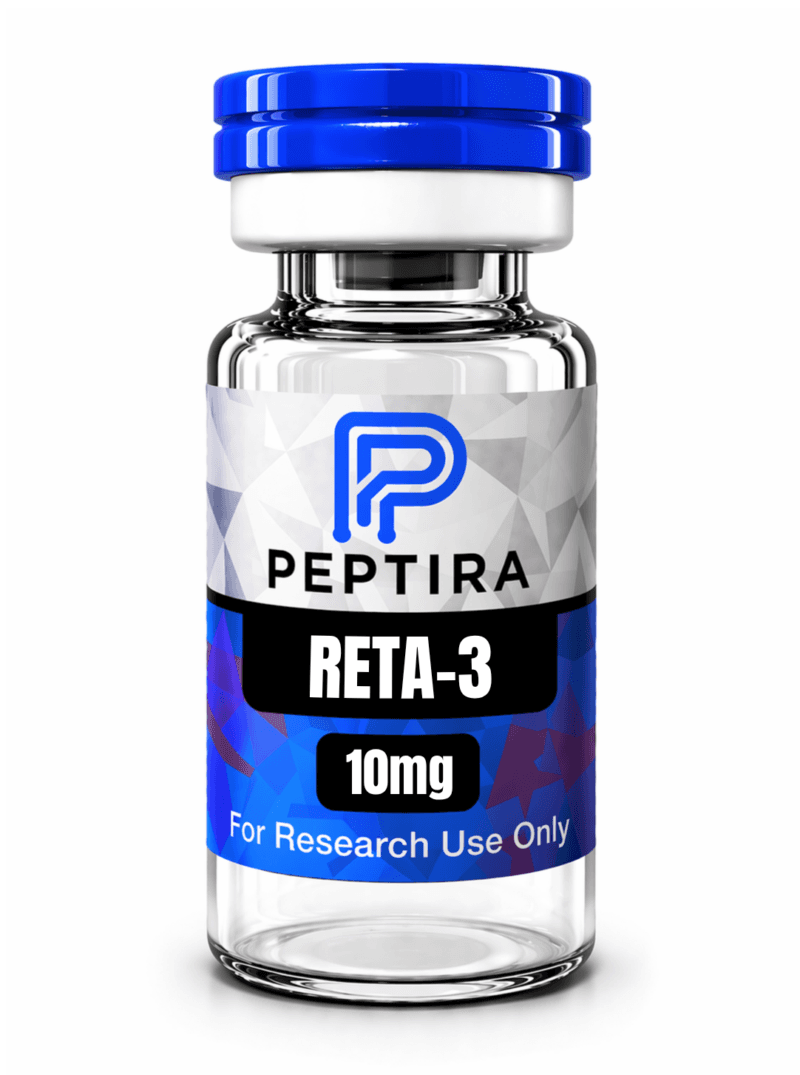
Peptira Research Catalog
Prescription Peptide Programs
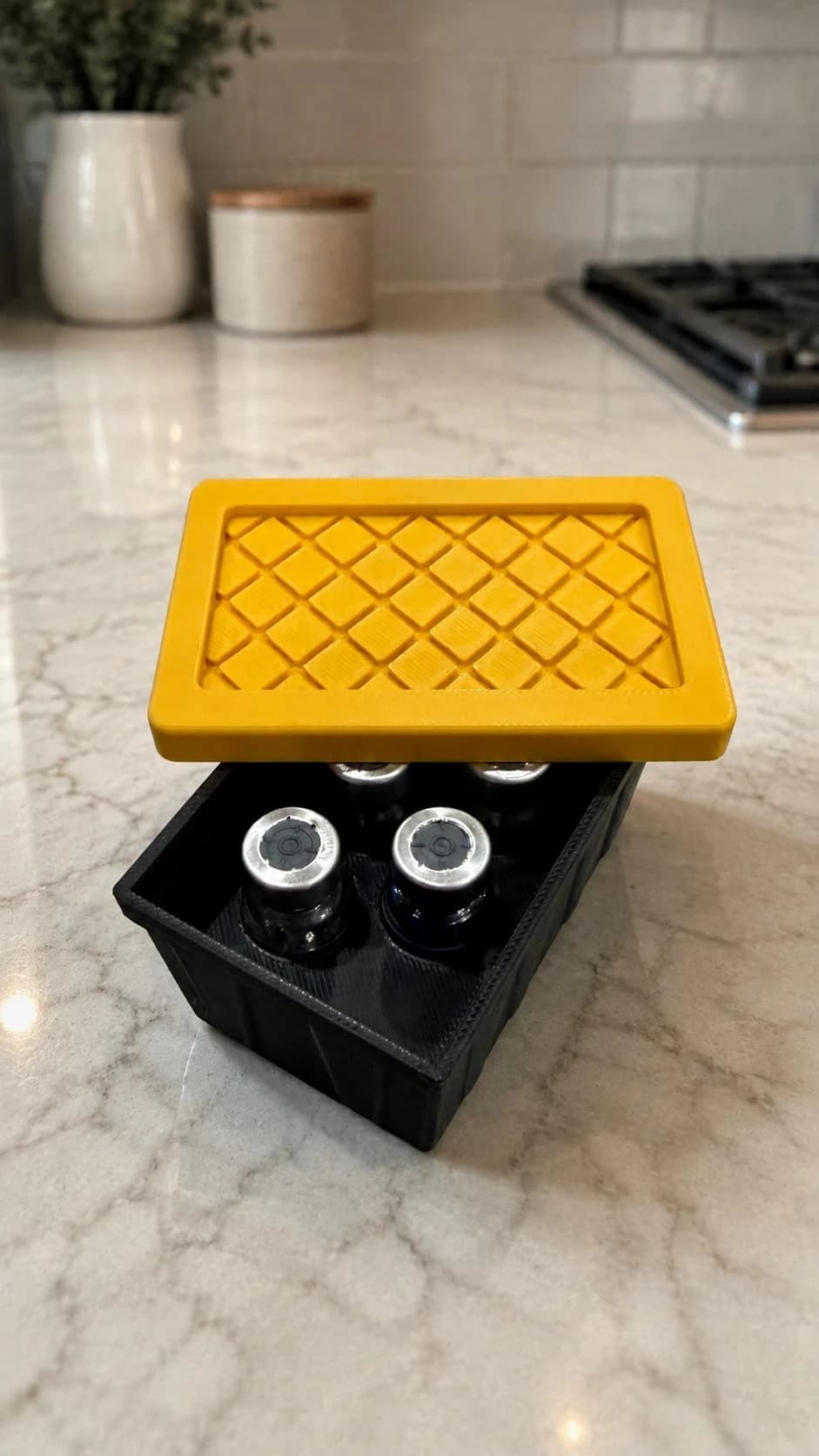
5-Vial Tote Case
Research Supplies
Disclosure: supply links may earn PDP a commission at no cost to you.
Affiliate disclosure: PDP may earn a commission from eligible links at no added cost to you. Product availability, prices, testing records, and program terms can change.
Companion Supplies & Routine Support
Which Model Matches the Intended Purpose?
This is not a simple choice between a costly product and a cheap product. The two systems are built for different purposes.
Compounded prescription model
Built around patient care, provider review, a valid prescription, pharmacy preparation, patient instructions, and follow-up. The price is higher because it may include the service system around the medication.
Research-use-only model
Built around laboratory research, batch review, analytical testing, research handling, and purchaser-led validation. The purchase price is lower, but the documentation burden is higher.
Similar names do not make the products interchangeable
A prescribed compounded medication and a laboratory research product may refer to a similar named molecule. They are still different purchasing, oversight, and intended-use paths.
The Bottom Line
- Compounded drugs operate through a more structured provider and pharmacy system.
- The finished compounded product is not FDA-approved.
- More oversight does not guarantee perfect potency, sterility, safety, or results.
- Research products are usually much cheaper by vial or milligram.
- Research testing and batch documentation vary widely by vendor.
- A purity number does not prove identity, quantity, sterility, endotoxin control, or stability.
- Compounded prices often include services that a research-vial price does not.
- The correct comparison begins with intended use and the amount of verification each system requires.
The most honest conclusion is not that one side always wins. It is that the two paths place cost, work, oversight, and accountability in different places.
Compounded vs. Research Peptide FAQ
Q1: What is the main difference between compounded and research peptides?
A compounded peptide medication is prepared through a provider and pharmacy system for patient care. A research-use-only peptide is sold for laboratory research without a prescription, dispensing pharmacy, or medical follow-up.
Q2: Are compounded peptides FDA approved?
No. Compounded drugs are not FDA-approved finished products. FDA does not review each compounded formula for safety, effectiveness, and quality before it is marketed.
Q3: Is pharmacy grade the same as FDA approved?
No. “Pharmacy grade” is not its own FDA approval category. Check whether the product is FDA-approved, compounded under section 503A or 503B, or sold for research use only.
Q4: Are compounded peptides guaranteed to contain the labeled amount?
No product should be described as guaranteed. A licensed pharmacy creates a clearer chain of accountability, but FDA warns that poor compounding can still cause contamination or too much or too little active ingredient.
Q5: What is a 503A compounding pharmacy?
A 503A pharmacy generally compounds medications for identified patients based on valid prescriptions. State boards of pharmacy usually handle its day-to-day oversight, while FDA can inspect and take action.
Q6: What is a 503B outsourcing facility?
A 503B outsourcing facility is registered with FDA, inspected on a risk-based schedule, and subject to current good manufacturing practice requirements. It may prepare larger batches for healthcare settings.
Q7: Do compounded peptides require a prescription?
Patient-specific compounding under section 503A generally requires a valid prescription for an identified person. A telehealth intake should still lead to a real provider decision rather than automatic approval.
Q8: What does research use only mean?
It means the seller presents the product for laboratory research rather than as a prescription medication. The purchase does not include a prescriber, pharmacy dispensing record, or medical follow-up.
Q9: Why are research peptides much cheaper?
The price usually does not include provider review, prescription processing, pharmacy preparation, patient labeling, supplies, or ongoing care. Bulk pricing and different testing programs can also lower the cost.
Q10: Does a COA prove a peptide is pure?
A COA may report purity if the right method was used. It does not automatically prove identity, labeled quantity, sterility, endotoxin control, stability, or proper storage.
Q11: Does a peptide COA prove sterility?
Only when the report includes a valid sterility test tied to the correct sample and batch. HPLC purity and mass spectrometry do not prove sterility.
Q12: What is the difference between purity and potency?
Purity describes how much of the detected material appears to be the main target rather than impurities. Potency or assay addresses strength or amount. One result does not replace the other.
Q13: How do you verify a peptide batch number?
Match the lot number on the product to the laboratory report. Then confirm the lab, test date, sample identifier, methods, and report number or verification link.
Q14: How do you verify a compounding pharmacy?
Identify the pharmacy, check its license through the correct state board, confirm a prescription is required, and review its address, pharmacist access, label, and complaint process.
Q15: Can every peptide be legally compounded?
No. Eligibility depends on the substance, monographs, approved-drug components, bulks lists, shortage rules, and whether the compounder meets section 503A or 503B conditions.
Q16: Did FDA approve six peptides in July 2026?
No. An FDA advisory committee recommended adding six peptide-related substances to the 503A Bulks List. The recommendation was non-binding and was not FDA drug approval.
Q17: Is Beyond Whoosh a compounding pharmacy?
Beyond Whoosh presents itself as a telehealth and provider service. Its website says approved prescriptions are filled by licensed pharmacies in its network. The dispensing pharmacy should still be identified and verified.
Q18: What does compounded peptide pricing include?
It may include provider review, prescription processing, pharmacy preparation, supplies, shipping, and follow-up. Each provider packages services differently, so current terms should be checked.
Q19: Can a doctor prescribe a research-use-only vial?
A doctor prescribes a drug through lawful medical and pharmacy channels, not a vial sold as research use only. A compound with the same name may only be compounded when current legal requirements are met.
Q20: Is it legal to buy research peptides?
There is no single answer for every product and situation. The compound, seller claims, intended use, import rules, and buyer activity can all matter. An RUO label does not authorize human use.
References
- 1. U.S. Food and Drug Administration Compounding and the FDA: Questions and Answers FDA (2025)
- 2. U.S. Food and Drug Administration FD&C Act Provisions That Apply to Human Drug Compounding FDA (2021)
- 3. U.S. Food and Drug Administration Bulk Drug Substances Used in Compounding Under Section 503A FDA (2026)
- 4. U.S. Food and Drug Administration Compounding When Drugs Are on FDA's Drug Shortages List FDA (2025)
- 5. U.S. Food and Drug Administration July 23-24, 2026 Meeting of the Pharmacy Compounding Advisory Committee FDA (2026)
- 6. Brendan Pierson FDA Advisers Recommend Relaxing U.S. Rules on Compounding Peptides Reuters (2026)
- 7. U.S. Food and Drug Administration Locate a State-Licensed Online Pharmacy FDA BeSafeRx
- 8. U.S. Food and Drug Administration Analytical Procedures and Methods Validation for Drugs and Biologics FDA
- 9. U.S. Food and Drug Administration Pyrogen and Endotoxins Testing: Questions and Answers FDA (2026)
- 10. United States Pharmacopeia Microbiological Quality Control Testing USP
- 11. United States Pharmacopeia USP General Chapter 797: Pharmaceutical Compounding—Sterile Preparations USP–NF
- 12. Beyond Whoosh Physician-Guided Peptide and GLP-1 Protocols Beyond Whoosh (2026)
- 13. Beyond Whoosh Shop All Protocols Beyond Whoosh (2026)
- 14. Beyond Whoosh BPC-157 Injection Beyond Whoosh (2026)
- 15. Garret Grant How Much Do Peptides Cost in 2026? Real Pricing by Sourcing Path PepPal (2026)
Related Dosing Protocols
Educational use only
Peptide Dosing Protocols is an independent educational reference. Nothing here is medical advice or a recommendation for human use. Research-use-only products are discussed as laboratory products, not as substitutes for prescribed medication. Consult a licensed healthcare provider and verify current pharmacy and FDA information before making a medical decision.
Keep researching the evidence
Browse more plain-language guides on peptide research, testing, regulation, and sourcing.

Written by Garret Grant
Founder & Lead Researcher · B.S. Civil Engineering, UCLA
Last updated: July 2026
Human-researched and AI-assisted with full editorial review. I verify sources, protocol interpretation, and final judgments personally. See methodology.
Share this page